
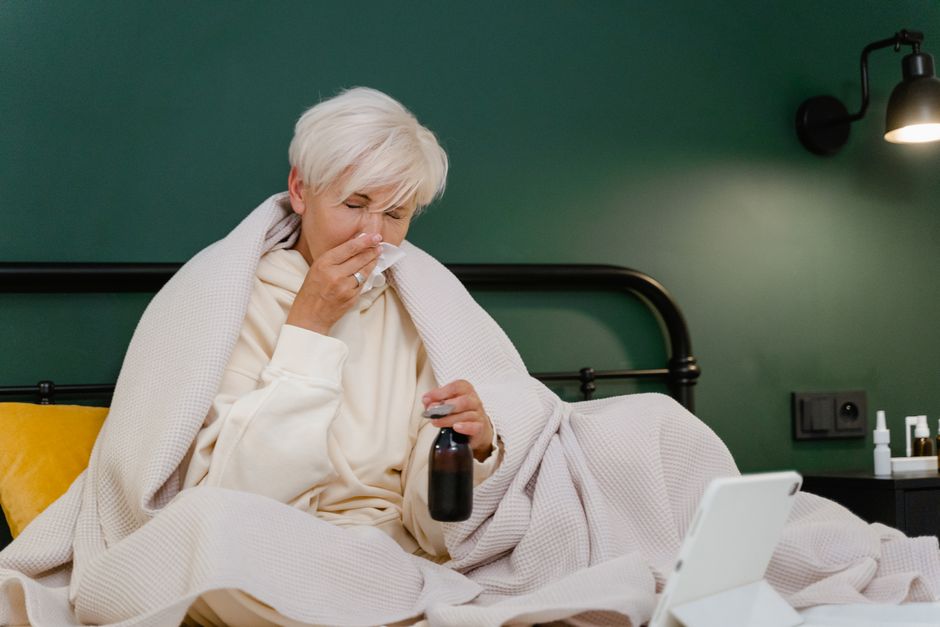
Yes, low iron can make you feel cold, especially in your hands and feet. This is one of the most common and noticeable symptoms of iron deficiency anemia. The connection comes down to how iron helps your body carry oxygen and regulate temperature. When iron levels drop, your body cannot deliver enough oxygen to your tissues, which slows down circulation and leaves you feeling chilly even in a warm room.
How Iron Deficiency Causes Cold Sensitivity
Iron is a core component of hemoglobin, the protein in red blood cells that carries oxygen from your lungs to the rest of your body. Without enough iron, your body produces fewer red blood cells and those cells carry less oxygen. This condition is called iron deficiency anemia.
When your tissues receive less oxygen, your body shifts into survival mode. It prioritizes oxygen delivery to your vital organs — your heart, brain, and lungs. This means blood flow to your skin, hands, and feet gets reduced. Less blood flow means less warmth reaching your extremities.
Your thyroid also depends on iron to function properly. Thyroid hormones help regulate your body’s metabolic rate, which affects how much heat your body produces. Low iron can disrupt thyroid function, which may contribute to feeling cold as well.
This is why people with iron deficiency often report cold hands and feet as their first noticeable symptom. The sensation is not just in your head — it is a measurable change in how your body manages heat and circulation.
Other Symptoms That Often Accompany Feeling Cold
Cold sensitivity rarely happens alone. If low iron is the cause, you will likely notice other symptoms at the same time. These develop gradually, which is why many people do not connect them until a doctor runs blood tests.
- Fatigue and weakness — your muscles are not getting the oxygen they need to work efficiently
- Pale skin — reduced blood flow and lower hemoglobin levels make skin look washed out
- Shortness of breath — especially during physical activity, when oxygen demand increases
- Dizziness or lightheadedness — your brain is not receiving optimal oxygen supply
- Brittle nails and hair thinning — iron supports healthy cell growth in nails and hair follicles
- Unusual cravings for ice or dirt — a condition called pica, which has a known link to iron deficiency
If you feel cold constantly and also notice several of these symptoms, iron deficiency is a reasonable possibility. But these symptoms are not unique to low iron. Other conditions can produce the same picture, which is why testing matters.
What Blood Tests Reveal About Your Iron Levels
Doctors do not diagnose iron deficiency based on symptoms alone. A simple blood test provides the answer. The standard panel includes several measurements that together give a complete picture.
Your doctor will likely order a complete blood count to check hemoglobin and hematocrit levels. Low hemoglobin confirms anemia. But anemia has many causes, so iron studies are needed to confirm that iron deficiency is the reason.
Ferritin is the most important test for iron status. Ferritin measures your body’s stored iron. Low ferritin indicates that your iron reserves are depleted, even if your hemoglobin is still within a normal range. This is called iron deficiency without anemia, and it can still cause symptoms like fatigue and cold sensitivity.
A normal hemoglobin level does not rule out iron deficiency. Some people have normal hemoglobin but very low ferritin, and they still experience symptoms. This is a common point of confusion, so it is worth asking your doctor specifically about your ferritin level if you suspect low iron.




Other Reasons You Might Feel Cold All the Time
Iron deficiency is a common cause of cold sensitivity, but it is not the only one. Several other conditions produce the same symptom. Understanding the alternatives helps you ask the right questions at your next medical appointment.
Hypothyroidism slows your metabolism, which reduces heat production. This condition often causes cold intolerance alongside fatigue, weight gain, and dry skin. A thyroid-stimulating hormone test can rule this out.
Poor circulation from conditions like Raynaud’s syndrome causes blood vessels in the hands and feet to narrow in response to cold or stress. This produces a dramatic cold sensation and color changes in the fingers.
Vitamin B12 deficiency also causes anemia and can produce cold sensitivity. B12 is needed for red blood cell production, just like iron. A deficiency produces similar symptoms, so doctors often check both levels together.
Low body weight or low muscle mass means less insulation and less heat generation. People with a low body mass index often feel cold more easily.
Diabetes can affect circulation, especially in the feet. Nerve damage from diabetes can also alter temperature perception, making you feel cold even when your skin is warm.
Anxiety and stress can trigger cold sensations through their effects on circulation. When you are stressed, blood flow to the skin decreases as part of the fight-or-flight response.
This list is not exhaustive, but it covers the most common explanations. The point is that persistent cold sensitivity deserves a medical evaluation rather than self-diagnosis.
How to Raise Your Iron Levels Safely
If blood tests confirm iron deficiency, increasing your iron intake is the first step. Dietary changes can help, but the approach depends on how low your levels are.
Iron comes in two forms from food. Heme iron from animal sources — red meat, poultry, and fish — is absorbed more easily by your body. Non-heme iron from plant sources — beans, lentils, spinach, and fortified cereals — is absorbed less efficiently. Eating vitamin C alongside plant-based iron improves absorption. For example, adding citrus to a spinach salad or tomatoes to a bean dish helps your body use the iron.
Some foods block iron absorption. Tea, coffee, and calcium-rich foods can reduce how much iron your body takes in. If you take iron supplements, avoid consuming these at the same time.
For people with diagnosed iron deficiency anemia, supplements are usually necessary. Over-the-counter iron supplements are widely available, and doctors often recommend them for several months to rebuild iron stores. The dose depends on the severity of your deficiency and should be determined by your doctor.
Supplements can cause digestive side effects like constipation, nausea, and stomach discomfort. Taking iron with food reduces these effects, though it also reduces absorption slightly. Some people find that taking iron every other day causes fewer side effects than daily dosing.
Do not take iron supplements without a confirmed deficiency. Your body does not easily eliminate excess iron, and too much iron can damage organs over time. This is a situation where more is not better.
When to See a Doctor About Feeling Cold
Occasional coldness is normal, especially in winter or in air-conditioned rooms. Persistent cold sensitivity is different. If you feel cold most of the time, regardless of the temperature around you, it is worth discussing with a doctor.
Seek medical advice sooner if cold sensitivity comes with fatigue, pale skin, shortness of breath, or dizziness. These symptoms together point toward anemia or another treatable condition. A simple blood test can provide clarity.
Severe symptoms warrant more urgent attention. Chest pain, fainting, or shortness of breath at rest are not symptoms to wait out. These can indicate significant anemia or another serious condition and require prompt evaluation.
If you are pregnant, cold sensitivity and fatigue deserve special attention. Iron needs increase significantly during pregnancy, and iron deficiency is common. Your prenatal care should include iron monitoring, but mention persistent coldness at your next appointment if it concerns you.
The takeaway is straightforward. Feeling cold all the time is a real symptom with identifiable causes. Iron deficiency is one of the most common and most treatable. A blood test tells you whether iron is the issue or whether something else is going on.
Frequently Asked Questions
Can low iron make you feel cold even if your hemoglobin is normal?
Yes, low ferritin with normal hemoglobin can still cause cold sensitivity. This is called iron deficiency without anemia, and it can produce symptoms even when standard anemia tests look normal.
How long does it take for iron supplements to stop the cold feeling?
Most people notice improvement in symptoms within a few weeks of starting iron supplements. Rebuilding your body’s iron stores fully usually takes several months, and your doctor will retest your levels to confirm.
Do iron supplements make you feel cold at first?
No, iron supplements do not cause coldness. If you feel colder after starting supplements, consider other causes like thyroid issues or discuss the timing with your doctor.
What foods are highest in iron for people who feel cold?
Red meat, liver, and shellfish contain the most easily absorbed iron. For plant sources, lentils, white beans, spinach, and fortified cereals are good options, especially when paired with vitamin C.
