
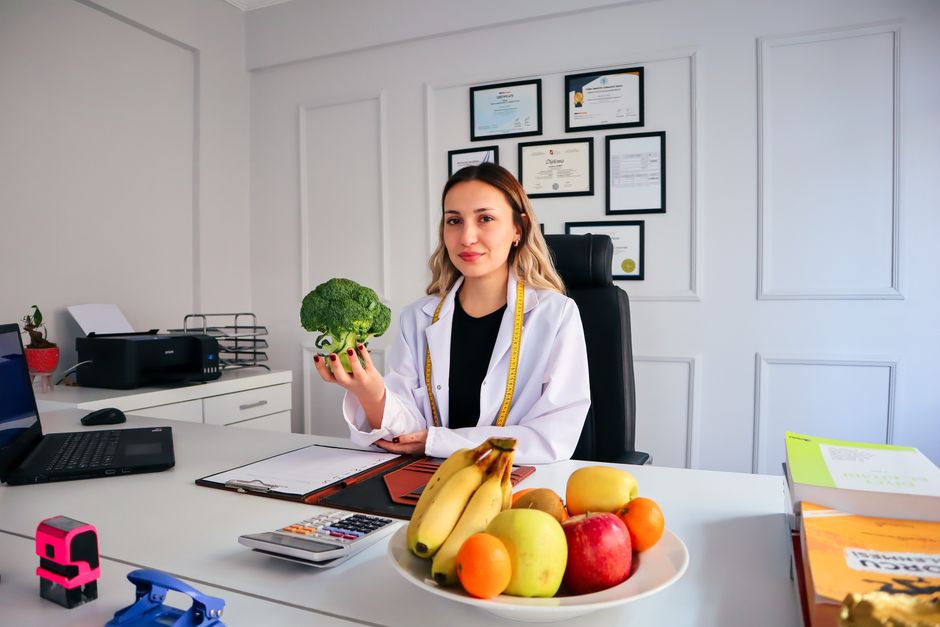
Broccoli does contain iron, and it is often listed among vegetables that contribute to daily iron intake. A standard cup of chopped raw broccoli provides about 0.7 milligrams of iron. For most adults, that is roughly 4 percent of the daily value based on an 18-milligram reference. It is not a high-iron food compared to red meat or legumes, but it remains a legitimate source, especially for people eating plant-based diets.
How Much Iron Is in Broccoli?
The exact amount depends on how you measure it. A cup of raw chopped broccoli has about 0.7 milligrams. Cooked broccoli contains slightly more per cup because water leaves the vegetable and the same amount of iron becomes concentrated in less volume.
One cup of cooked, boiled broccoli without salt provides roughly 1 milligram of iron. That is still modest. For comparison, a 3-ounce serving of cooked beef provides about 2 to 3 milligrams. Lentils provide about 3 milligrams per half-cup cooked.
Broccoli will not fix an iron deficiency on its own. But it can contribute meaningfully across a varied diet.
Is the Iron in Broccoli Well Absorbed?
This is where the picture gets more complicated. There are two types of dietary iron. Heme iron comes from animal sources and is absorbed efficiently. Non-heme iron comes from plants and is absorbed less efficiently.
Broccoli contains only non-heme iron. The body absorbs perhaps 2 to 20 percent of non-heme iron depending on the meal and your current iron status. Heme iron absorption runs higher, around 15 to 35 percent.
That does not mean plant iron is useless. It means context matters. Several factors can improve or block absorption.
Vitamin C is the most reliable enhancer. Broccoli happens to be an excellent source of vitamin C. One cup of cooked broccoli provides more than 50 milligrams of vitamin C, which is more than half the daily recommendation for most adults. Eating broccoli delivers iron and vitamin C together in the same food, which improves the absorption of that iron.
Other organic acids in vegetables can also help. But the vitamin C content of broccoli is the standout factor.
What Blocks Iron Absorption?
Certain compounds in food can reduce how much non-heme iron your body absorbs. These are called inhibitors.
Phytates are found in whole grains, beans, nuts, and seeds. They bind to iron and reduce absorption. If you eat broccoli alongside a bowl of oatmeal or a bean salad, the iron from both plant sources may be absorbed less efficiently.
Tannins in tea and coffee can also block iron absorption. Drinking a strong cup of tea with a meal can reduce iron uptake from that meal. The effect is more pronounced with non-heme iron.
Calcium is another inhibitor. Dairy products, and even calcium supplements, can interfere with iron absorption when consumed together. This is not a reason to avoid dairy. It is a reason to think about timing if you are actively trying to raise your iron levels.
None of this means broccoli is a poor choice. It means pairing matters. Eating broccoli with vitamin C-rich foods helps. Avoiding tea, coffee, and dairy at the same meal helps. Spacing those out by an hour or two is a practical approach.


Does Broccoli Count as a High-Iron Food?
No. Broccoli is a moderate source at best. It is valuable because it is nutrient-dense overall, but it should not be treated as a primary iron source.
For people who do not eat meat, getting enough iron requires attention. Plant sources that contain more iron per serving include:
- Lentils and chickpeas
- White beans and kidney beans
- Tofu and tempeh
- Pumpkin seeds
- Spinach and Swiss chard
- Fortified cereals
These foods provide more iron than broccoli per serving. But they also contain phytates, which can limit absorption. Combining them with vitamin C sources is the standard advice for plant-based eaters.
Broccoli fits into that pattern well. It provides iron, vitamin C, and fiber in one package. It is not the most iron-dense vegetable, but it is one of the most practical.
Who Needs to Pay Attention to Iron Intake?
Iron needs vary by age, sex, and life stage. Menstruating women have higher needs because of monthly blood loss. Pregnant women need significantly more iron to support fetal development and increased blood volume. Growing children and adolescents also have elevated needs.
People with heavy menstrual bleeding are at higher risk for iron deficiency. So are frequent blood donors, endurance athletes, and people with gastrointestinal conditions that affect absorption, such as celiac disease or inflammatory bowel disease.
Vegetarians and vegans do not automatically become iron deficient. But because plant iron is absorbed less efficiently, they need to be more deliberate about intake. The general guidance is that vegetarians may need up to 1.8 times more dietary iron than meat eaters to account for lower absorption.
What Are the Signs of Low Iron?
Iron deficiency develops gradually. Early signs are easy to dismiss because they overlap with ordinary fatigue and stress.
Common symptoms include:
- Unusual tiredness or weakness
- Pale skin
- Shortness of breath during routine activity
- Dizziness or lightheadedness
- Cold hands and feet
- Brittle nails
- Unusual cravings for ice, dirt, or starch
These symptoms are not specific. Many conditions cause fatigue. The only reliable way to know if you are iron deficient is a blood test. A doctor can check ferritin, which reflects stored iron, along with hemoglobin and other markers.
Self-diagnosing and self-treating with iron supplements is not wise. Iron toxicity is possible, and excess iron can damage organs. Supplements should be taken only when a deficiency has been confirmed and under medical guidance.
Does Cooking Affect the Iron in Broccoli?
Cooking does not destroy iron. Iron is a mineral, and minerals are stable under normal cooking temperatures. What changes is concentration.
When broccoli is boiled, it absorbs some water and loses some volume. The iron content per cup goes up slightly because the same amount of iron is packed into less space. Steaming and roasting have similar effects. Microwaving with minimal water preserves nutrients well.
Boiling in large amounts of water can leach some minerals into the cooking water. If you discard the water, you lose a small amount of the minerals. Steaming or roasting avoids this. But the difference is modest and unlikely to matter for most people.
Is Broccoli a Good Choice for Anemia?
Broccoli alone is not enough to treat iron deficiency anemia. That condition requires a more concentrated approach, usually including iron supplements prescribed by a doctor.
That said, broccoli can be part of a diet that supports healthy iron levels. It provides iron, vitamin C, and folate. Folate is a B vitamin involved in red blood cell production. The combination is useful, but it is not therapeutic on its own.
If you have been diagnosed with iron deficiency, follow your doctor’s advice about supplements and dietary changes. Food alone rarely corrects established anemia quickly.
How Does Broccoli Compare to Other Vegetables?
Spinach is often cited as a high-iron vegetable. A cup of cooked spinach provides about 6 milligrams of iron, which is substantially more than broccoli. But spinach also contains oxalates, which can reduce iron absorption. The net benefit is real but not as simple as the raw number suggests.
Kale provides about 1 milligram per cup cooked. Brussels sprouts provide about 1 milligram per cup cooked. Broccoli sits in a similar range.
No single vegetable is a magic bullet for iron. The practical approach is variety. Eating a range of plant foods across the day, with attention to enhancers and inhibitors, is more effective than fixating on one item.
Frequently Asked Questions
Is broccoli a good source of iron?
Broccoli is a moderate source of iron, providing about 0.7 milligrams per cup raw and about 1 milligram per cup cooked. It is not a high-iron food, but it contributes to daily intake, especially in plant-based diets.
Can eating broccoli help with iron deficiency?
Broccoli can contribute to iron intake but is not sufficient to treat established iron deficiency anemia. Iron deficiency typically requires supplements prescribed by a doctor along with dietary changes.
Does cooking broccoli reduce its iron content?
No. Iron is a mineral and remains stable during cooking. The amount per cup may actually appear higher in cooked broccoli because water loss concentrates the iron.
What foods help the body absorb iron from broccoli?
Vitamin C improves non-heme iron absorption, and broccoli naturally contains both iron and vitamin C. Foods rich in vitamin C, like citrus fruits, bell peppers, and tomatoes, can further enhance absorption when eaten in the same meal.
