
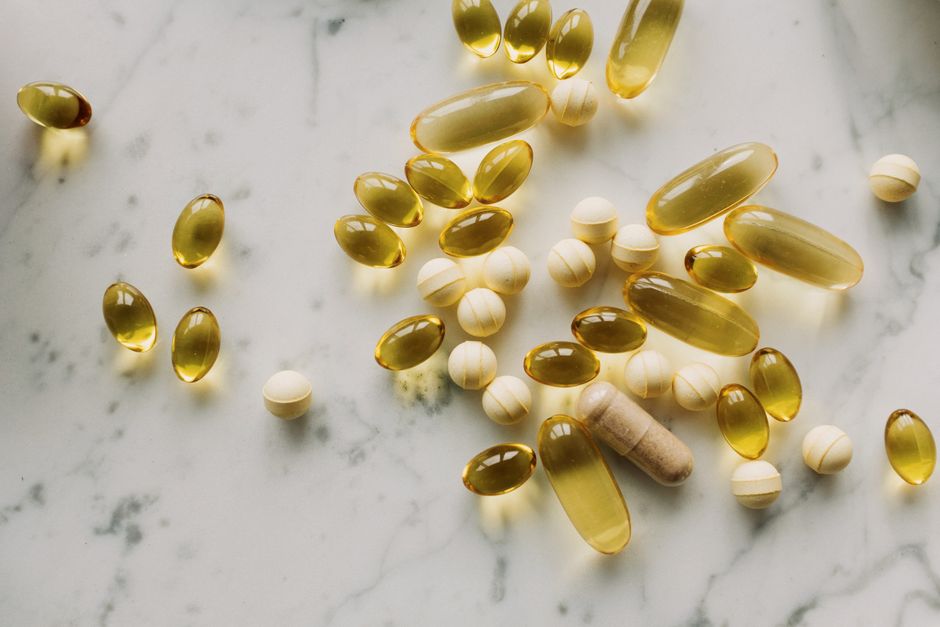
A low red blood cell count usually means the body is missing raw materials it needs to build red blood cells — most often iron, vitamin B12, or folate. The right way to raise your RBC count depends entirely on which of these is low, and treating the wrong one does nothing. A blood test is the only way to know which deficiency, if any, is driving the problem.
What Does A Low RBC Count Actually Mean?
Red blood cells carry oxygen from your lungs to every tissue in your body. When the count drops, tissues get less oxygen, and you feel it as fatigue, shortness of breath, pale skin, or a racing heart.
A low RBC count is not a diagnosis on its own. It is a signal. The underlying cause could be a nutrient deficiency, blood loss, a bone marrow problem, kidney disease, or a chronic inflammatory condition. Each of these requires a different response.
Doctors rarely look at RBC count alone. They read it alongside hemoglobin, hematocrit, and a set of red cell indices — particularly MCV, which stands for mean corpuscular volume. MCV tells you the average size of your red blood cells. That single number often points toward the cause.
Small red blood cells (low MCV) usually suggest iron deficiency. Large red blood cells (high MCV) usually point toward B12 or folate deficiency. Normal-sized cells with a low count suggest something else entirely, such as chronic disease, kidney problems, or blood loss.
This distinction matters because iron and B12 deficiencies are treated in completely different ways. Taking iron when your problem is B12 will not help, and it may mask the real issue.
How To Get Your RBC Count Up: Iron, B12, And More
Getting your RBC count up starts with identifying what is actually deficient. Once you know that, the path is usually straightforward — but it is not the same for everyone.
Iron is the most common deficiency worldwide, according to the World Health Organization. Iron is a core component of hemoglobin, the protein that lets red blood cells carry oxygen. Without enough iron, the bone marrow cannot build red blood cells properly.
Vitamin B12 and folate are both needed for red blood cell production and for DNA synthesis in developing cells. A shortage of either one leads to large, poorly functioning red blood cells.
Other factors that can suppress RBC production include:
- Chronic kidney disease, because the kidneys produce erythropoietin, a hormone that signals the bone marrow to make red blood cells
- Chronic inflammation or infection, which can reduce red blood cell production
- Blood loss from heavy menstruation, ulcers, or other sources
- Bone marrow disorders that affect how blood cells are made
- Certain medications that suppress bone marrow activity
If a nutrient deficiency is the cause, correcting it usually restores the count over time. If the cause is something else, nutrient supplements will not fix it.
Which Foods Actually Raise Red Blood Cells?
Food is the first line for most people with mild deficiencies. The key is knowing which foods contain which nutrient — and how well your body absorbs them.
Iron comes in two forms. Heme iron, found in meat, poultry, and fish, is absorbed efficiently. Non-heme iron, found in plants, is absorbed less well. This is why vegetarians and vegans need to pay closer attention to iron intake.
Good sources of heme iron include:
- Lean red meat
- Poultry, especially dark meat
- Fish and shellfish
Good sources of non-heme iron include:
- Lentils and beans
- Spinach and other dark leafy greens
- Fortified cereals
- Tofu
Vitamin C improves absorption of non-heme iron. Pairing lentils with bell peppers or citrus fruit helps your body take in more of the iron from the plant food. Coffee and tea, on the other hand, contain compounds that inhibit iron absorption, so drinking them with meals works against you.
Vitamin B12 occurs naturally almost exclusively in animal products — meat, fish, eggs, and dairy. For people who eat little or no animal products, fortified foods and supplements are the main sources. The USDA notes that fortified breakfast cereals are a significant B12 source in the American diet.
Folate is found in leafy greens, legumes, citrus fruits, and fortified grains. Many countries fortify grain products with folic acid specifically to prevent neural tube defects in newborns, and this fortification has also reduced folate deficiency in the general population.





How Long Does It Take To Raise Your RBC Count?
Timelines depend on the cause, the severity, and how you treat it. There is no single answer.
When iron deficiency is corrected with oral iron, hemoglobin typically begins to rise within a few weeks. But rebuilding iron stores in the body takes longer — often several months of consistent treatment after the hemoglobin normalizes. This is one reason doctors often recommend continuing iron for a period after levels look normal.
B12 deficiency responds differently. If the cause is poor absorption rather than poor intake, oral B12 may not work well and injections or high-dose oral supplements may be needed. Some people need treatment for life if the underlying absorption problem cannot be fixed.
If the cause is not a nutrient deficiency — kidney disease, chronic inflammation, or a bone marrow issue — then no amount of dietary change will fix it. Those situations require medical treatment directed at the underlying condition.
One important point: if you have a serious deficiency, food alone is often not enough. Diet can help prevent deficiency, but correcting an established one usually requires supplements or medical treatment under a doctor’s guidance.
Can You Raise RBC Count Without Supplements?
For mild deficiencies or to prevent them, yes — diet and lifestyle changes can help. For established deficiencies, no. That distinction is important and often blurred.
Things that support healthy red blood cell production include:
- Eating a varied diet with enough iron, B12, and folate
- Getting adequate protein, since red blood cells are built from protein
- Managing chronic conditions that affect blood production
- Avoiding excessive alcohol, which can interfere with folate absorption and red blood cell production
- Staying physically active, which supports overall circulatory health
What does not work: relying on a single “superfood,” drinking special juices, or taking random supplements without knowing what you are deficient in. Some of these products are marketed heavily, but no study has confirmed they raise red blood cell counts in people who are not deficient.
There is also a risk to taking iron when you do not need it. Iron supplements can cause constipation, nausea, and in excess, iron overload — a serious condition where iron builds up in organs. Iron supplementation should be guided by a blood test, not by guesswork.
When Should You See A Doctor About A Low RBC Count?
See a doctor if you have a confirmed low RBC count on a blood test, or if you have persistent symptoms like fatigue, shortness of breath, dizziness, or unusual paleness. These symptoms have many possible causes, and a low RBC count is one of them.
You should also seek care promptly if you notice blood in your stool, black tarry stools, or heavy menstrual bleeding. These can signal ongoing blood loss that is depleting your red blood cells faster than your body can replace them.
A doctor will typically order a complete blood count, iron studies, and vitamin B12 and folate levels to sort out the cause. In some cases, additional testing is needed to look at the bone marrow or to check kidney function.
Self-treating with supplements before you know the cause can delay a correct diagnosis. That is the main reason to get tested first.
Frequently Asked Questions
Can I raise my RBC count just by eating more iron-rich foods?
Only if iron deficiency is the cause and it is mild. For a significant deficiency, food alone is usually not enough and supplements or medical treatment are needed.
How long does it take for iron supplements to raise hemoglobin?
Hemoglobin often starts to rise within a few weeks of starting iron, but rebuilding the body’s iron stores can take several months. Your doctor will typically recheck your levels to confirm progress.
Is B12 deficiency always caused by not eating enough B12?
No. Poor absorption is a common cause, even in people who eat plenty of B12-rich foods. This happens with certain gut conditions, after some surgeries, and with long-term use of certain medications.
Can a low RBC count be serious?
Yes, it can be. A low RBC count may signal blood loss, kidney disease, or a bone marrow problem, so it should always be evaluated by a doctor rather than managed with supplements alone.
