
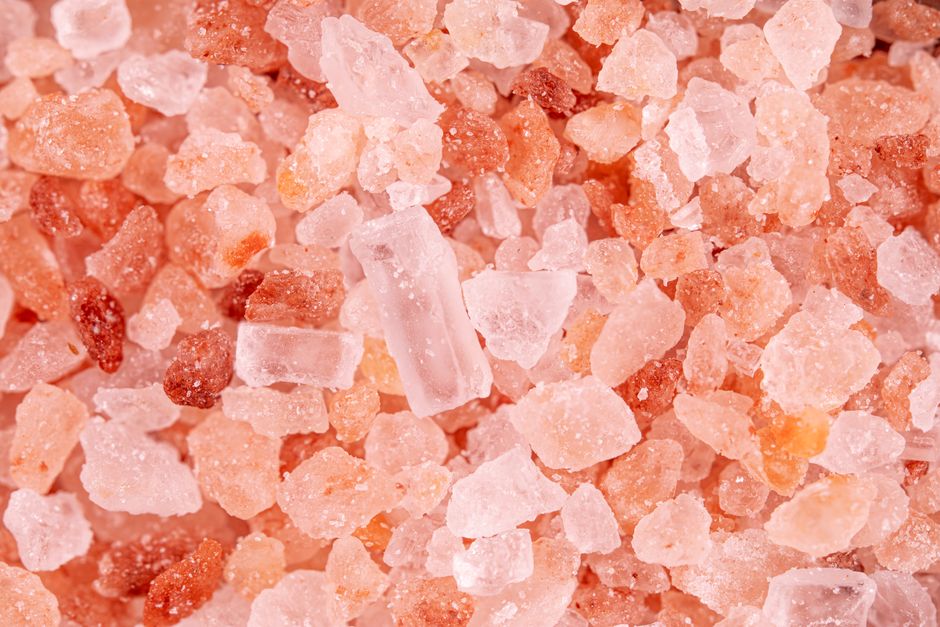
Pink Himalayan salt is a popular kitchen staple, but many people worry about its mineral content. The direct answer is yes, Himalayan salt contains trace amounts of heavy metals, including lead, but the levels found in commercial food-grade products are generally very low and not considered a health risk. However, the story is more complex than a simple yes or no, and understanding the difference between food-grade and decorative salt is essential for your health.
What Is Actually in Himalayan Salt?
Himalayan salt is mined from the Khewra Salt Mine in Pakistan, part of salt deposits formed millions of years ago. Its signature pink color comes from iron oxide, but the salt contains a wide range of minerals and trace elements. These include calcium, potassium, magnesium, and dozens of other elements found in tiny amounts.
Because it comes from the earth, Himalayan salt also contains trace amounts of heavy metals. Lead, arsenic, cadmium, and mercury can all be present in small quantities. This is not unique to Himalayan salt. All unrefined salts, including sea salt and rock salt, contain trace impurities from their natural environment.
The key question is not whether these metals are present, but whether the amounts are high enough to matter. For most people, the answer is no. The amounts found in food-grade Himalayan salt are far below the safety limits set by health authorities.
How Much Lead Is in Himalayan Salt?
Studies that have analyzed the heavy metal content of various salts have found that Himalayan salt contains measurable amounts of lead. One study published in the Journal of the American Association for Laboratory Animal Science looked at several salt types and found that pink Himalayan salt contained more lead than regular table salt. The lead level was still well below acceptable limits.
It is important to understand that “detectable” does not mean “dangerous.” Modern laboratory equipment can detect metals in parts per million or even parts per billion. Finding a trace amount of lead in salt does not mean the salt is unsafe. The relevant measure is whether the amount exceeds safety thresholds established by regulatory bodies.
Food-grade Himalayan salt sold for cooking is typically tested and falls within safe limits. The same cannot always be said for decorative Himalayan salt products, such as salt lamps or bath salts, which are not intended for consumption.
Food-Grade vs. Decorative Himalayan Salt
This distinction is critical. Himalayan salt sold for cooking is processed and tested to meet food safety standards. It must comply with regulations that limit heavy metal content. When you buy pink salt in the spice aisle, you are getting a product that has passed safety checks.
Himalayan salt lamps, salt blocks, and bath salts are not food products. They are not subject to the same testing requirements. A salt block used for cooking can leach minerals into food, but it was never tested as a food contact surface. Bath salts are not meant to be eaten at all.
Some decorative salt products have been found to contain higher levels of heavy metals than food-grade versions. This is because they are not processed or tested for consumption. If you are using a Himalayan salt block to cook or serve food, you should be aware that the safety profile is less well established than for salt purchased as food.




Comparing Himalayan Salt to Regular Table Salt
Regular table salt is heavily processed and often fortified with iodine. It is also purified, which removes most trace minerals and impurities. This means table salt typically has lower levels of heavy metals than unrefined salts like Himalayan salt.
Sea salt and other unrefined salts also contain trace metals. The differences between salt types are generally small and not clinically significant for healthy people eating a normal diet. The sodium content is the same across all salt types, and sodium is the main health concern with salt consumption.
Choosing Himalayan salt for its mineral content is not backed by strong evidence. The trace minerals are present in such small amounts that they do not meaningfully contribute to your daily nutrient intake. You would need to consume dangerous amounts of salt to get a significant quantity of these minerals.
Is There Any Health Risk From Eating Himalayan Salt?
For most people, the health risk from heavy metals in food-grade Himalayan salt is negligible. The amounts are small, and the body can handle trace exposure to these metals. Regulatory bodies set safety limits based on lifetime exposure, and the levels in food-grade salt fall far below those limits.
The bigger health concern with any salt is sodium. High sodium intake is linked to high blood pressure, heart disease, and stroke. Himalayan salt has the same sodium content as regular salt, about 40 percent sodium by weight. The trace minerals in pink salt do not change its effect on blood pressure.
People with kidney disease or conditions that require restricted sodium intake should be cautious with all salt, including Himalayan salt. People who eat a typical Western diet already consume more sodium than recommended, so adding salt of any type is generally not advised for health reasons.
What About Salt Lamps and Bath Salts?
Himalayan salt lamps are popular for their warm glow and claimed air-purifying benefits. The evidence for these health claims is essentially nonexistent. No studies have confirmed that salt lamps meaningfully improve air quality or provide health benefits. The amount of negative ions they release is too small to have any measurable effect.
Himalayan bath salts are used for soaking and are not meant to be ingested. The heavy metal content in bath salts is not a concern because the skin does not absorb significant amounts of these metals from a bath. However, bath salts are not food, and their mineral content is not regulated for consumption.
If you use a Himalayan salt block for cooking, understand that the testing and safety standards are different from food-grade salt. Some clinicians recommend using food-grade salt for cooking and reserving decorative blocks for serving cold foods rather than cooking on them. The evidence on this is limited, but the precaution is reasonable.
Does Himalayan Salt Have Heavy Metals Like Lead?
Yes, Himalayan salt contains trace amounts of lead and other heavy metals, just like all natural salts. The amounts found in food-grade products are well below safety limits and are not considered a health risk for most people. The presence of these metals does not make the salt toxic or dangerous.
The concern would only become relevant if someone consumed excessive amounts of salt over many years, which carries its own serious health risks. Even then, the sodium content would be the primary concern, not the trace metals. No clinical evidence suggests that eating normal amounts of food-grade Himalayan salt exposes you to harmful levels of lead or other heavy metals.
If you are concerned about heavy metal exposure, focus on the bigger sources in your life. Old paint, contaminated soil, and some imported cookware are more significant sources of lead than salt. Eating a varied diet and avoiding known sources of contamination is a more effective approach than worrying about trace minerals in your salt.
Frequently Asked Questions
Is pink Himalayan salt safer than regular salt?
No, pink Himalayan salt is not safer than regular salt. It contains slightly more trace minerals and heavy metals, but both have the same sodium content and similar health effects.
Can you get lead poisoning from Himalayan salt?
No, not from food-grade Himalayan salt consumed in normal amounts. The lead levels are far below safety thresholds, and no cases of lead poisoning from eating this salt have been reported.
Are Himalayan salt lamps safe to have in your home?
Yes, salt lamps are safe to have in your home. They do not release harmful amounts of heavy metals into the air, but they also do not provide the health benefits some companies claim.
What is the healthiest salt to use?
For most people, the healthiest choice is whichever salt helps you eat less sodium overall. The mineral differences between salt types are too small to matter for health, so choose the salt you enjoy and use it sparingly.
