
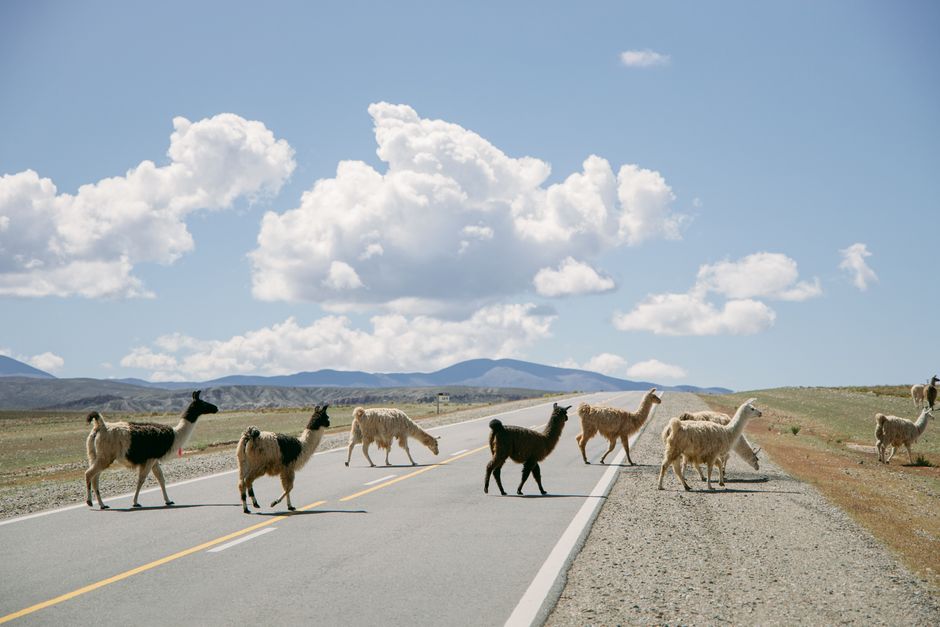
Leading a caravan of five llamas on a trail is not like walking a dog. It requires understanding their herd instincts, knowing how to position yourself, and managing the pack string correctly. The key fact is that you lead from the front with the most reliable llama, while the others follow in a line based on their temperament and training.
What Is the Correct Position for the Leader in a Llama Caravan?
You walk at the front of the line. Not beside the first llama. Not behind the group. The lead llama is directly behind you on a short lead rope, and the other four follow in single file.
Your job is to set the pace and choose the path. The lead llama watches you for direction. The rest of the caravan watches the lead llama. Research from pack animal training programs shows that llamas learn this chain of command quickly when the handler is consistent.
If you walk beside the first llama, the others will not know who to follow. If you walk behind the group, you lose control of the front. The correct position is always ahead of the first animal.
How Do You Choose Which Llama Goes First in the Caravan?
The lead llama must be the most confident and well-trained animal in the group. This is not the place for your youngest or most nervous llama. The leader sets the emotional tone for the entire caravan.
Look for a llama that does not spook easily, responds to voice commands, and walks calmly past distractions like bikes or dogs. Some experienced llama handlers call this animal the “sure-footed one” because it will not panic on tricky terrain.
Your second and third positions should be the next most reliable llamas. The last two positions are for the less experienced or more skittish animals. This way the nervous ones are sandwiched between calm leaders and have less reason to bolt.
A common mistake is putting the strongest packer first. Strength matters less than temperament. A calm llama that stops when you stop is worth more than a strong llama that pulls forward.
What Equipment Do You Need to Lead a Caravan of 5 Llamas?
Each llama needs a properly fitted halter and a lead rope. Do not use a collar. Llamas have long necks and collars can cause injury if the animal pulls back suddenly. A halter gives you control over the head and direction.
Lead ropes should be 6 to 8 feet long for the lead llama. The trailing four llamas can have slightly longer ropes at 8 to 10 feet so they have room to walk without stepping on each other.
You also need a way to connect the caravan. Some handlers clip each llama’s lead rope to the pack saddle of the llama in front. Others use a single long rope called a “pack line” where each llama clips on at intervals. Both methods work. The key is that each llama can be detached quickly in an emergency.
A packing saddle or well-fitted pack is essential if the llamas are carrying gear. The weight should be balanced evenly on both sides. An unbalanced pack will cause the llama to stumble or refuse to walk.
| Equipment | Purpose | Key Detail |
|---|---|---|
| Halter | Head control and steering | Nylon or leather, properly fitted |
| Lead rope | Connection between handler and llama | 6-10 feet, no loops that can snag |
| Pack saddle | Carries gear evenly | Must be balanced left and right |
| Pack line | Connects the caravan | Quick-release clips at each position |





How To Lead A Caravan Of 5 Llamas On The Trail Through Difficult Terrain
When the trail narrows or gets rocky, slow down. Llamas have excellent footing but they need time to place their feet. Do not rush them. If you speed up, the lead llama speeds up, and the whole caravan gets sloppy.
On steep downhill sections, give the lead llama more slack. Llamas lean back slightly when descending and a tight rope can pull them off balance. On uphill sections, shorten the rope slightly so you can help pull the lead llama upward if needed.
Stream crossings require patience. Llamas can be hesitant about water. Stop the caravan before the crossing. Let the lead llama see the water and sniff it. If the lead llama crosses calmly, the rest will follow. If the lead llama refuses, do not force it. Walk it back and try a different crossing point.
Switchbacks are another challenge. The lead llama needs to turn tightly while the following llamas cut the corner wider. Give the lead llama enough rope so it can complete the turn without being yanked sideways. The trailing llamas will naturally follow the path rather than the exact footsteps.
How Do You Handle a Llama That Refuses to Walk in the Caravan?
A stopped llama is usually communicating something. Check for a physical problem first. Is the pack unbalanced? Is the halter rubbing? Is the llama lame? The American Llama Association notes that most refusals are due to discomfort, not stubbornness.
If the llama is healthy and the gear is fine, the issue is often fear. The llama may see something ahead that you do not. Give it a moment to assess the situation. Many times the llama will move forward on its own after a pause.
Do not yell or hit the llama. This makes the animal more fearful and less likely to trust you. Instead, have the lead llama turn around and walk back to the stopped llama. Nose-to-nose contact between llamas often resolves the hesitation. Then the lead llama turns back to the trail and the caravan moves on.
If a llama consistently refuses on the same type of terrain, consider moving it to a different position in the caravan. Some llamas prefer being second or third rather than fourth or fifth. A simple position change can fix the problem.
- Check for physical discomfort before assuming stubbornness
- Give the llama time to assess the situation without pressure
- Use the lead llama to reassure the stopped animal
- Try a different position in the caravan if refusals are frequent
What Common Mistakes Do New Llama Handlers Make?
One of the most common errors is using a rope that is too long. A 12-foot rope on the lead llama gives you less control and more chance of the rope getting tangled in brush. Keep the lead rope short enough that you can feel the llama’s head movements.
Another mistake is letting the caravan get strung out too far. If the fifth llama is 30 feet behind the fourth, you have lost the caravan. The animals should be close enough that each one can see the tail of the llama in front. A gap of more than one llama length means the connection is breaking.
New handlers also tend to talk too much. Llamas respond to calm, consistent voice commands. Constant chatter confuses them. Use a small set of clear words like “walk,” “stop,” “easy,” and “back.” Say them the same way every time.
Finally, many people forget to check the gear during the hike. A pack strap can loosen after a mile of walking. A halter can shift. Stop every 30 minutes and do a quick equipment check on all five llamas. A small problem fixed early prevents a big problem later.
There is a widespread myth that llamas will automatically follow each other without training. This is not true. While llamas are herd animals, they need to learn the specific routine of a caravan. Training sessions on flat ground before hitting the trail are essential.
Some people also claim that you can lead a caravan from a horse or bicycle. This is dangerous and not recommended by any major pack animal organization. You need to be on foot to read the llamas’ body language and respond quickly to problems.
Frequently Asked Questions
How many llamas can one person lead on a trail?
One experienced handler can safely lead four to six llamas. Five is within that range for a well-trained group.
Do llamas need special training to walk in a caravan?
Yes. Each llama needs individual training on a lead rope before joining a group. The caravan formation is a learned skill.
What is the best age to start training a llama for caravan work?
Training can begin at six months old with basic halter work. Full caravan training usually starts around one to two years of age.
Can you lead a llama caravan on a public trail?
Many public trails allow pack llamas but check local regulations first. Some trails have specific rules about livestock.
