
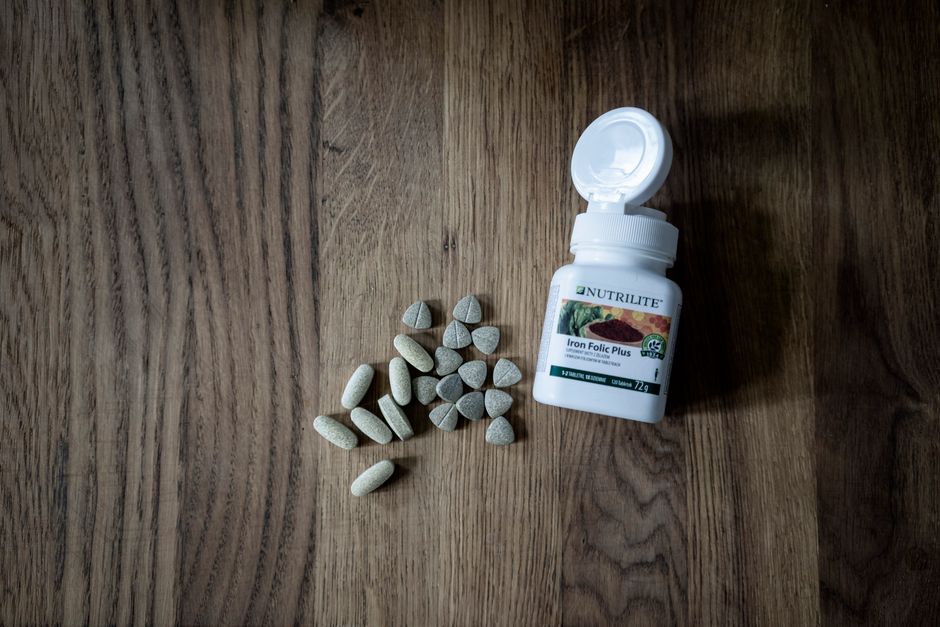
Low iron and high cholesterol are two common blood test findings. Many people wonder if they are connected. The short answer is that iron deficiency can influence cholesterol levels, but the relationship is not as simple as “low iron causes high cholesterol.” Research shows that iron deficiency anemia is often associated with changes in lipid metabolism. Some studies have found higher total cholesterol and LDL (the “bad” cholesterol) in people with iron deficiency. The effect is real, but it is not universal. It depends on the severity of the deficiency and the individual. Understanding how iron affects cholesterol requires a look at how the liver processes both substances.
How Does Iron Deficiency Affect Cholesterol Levels?
Iron is essential for many bodily functions. It helps carry oxygen in the blood. It also plays a role in enzyme reactions throughout the body, including in the liver. The liver is the main organ that produces and clears cholesterol. When iron levels drop too low, liver function can change.
One key mechanism involves an enzyme called HMG-CoA reductase. This enzyme helps the liver make cholesterol. Some research suggests that iron deficiency can increase the activity of this enzyme. More enzyme activity can lead to more cholesterol production. This is one reason why total cholesterol may rise in iron-deficient individuals.
Another factor is the clearance of cholesterol from the blood. The liver removes LDL cholesterol through receptors on its surface. Iron deficiency may reduce the number or function of these receptors. If the liver cannot clear LDL efficiently, blood levels go up.
It is important to note that not everyone with low iron develops high cholesterol. The effect appears stronger in people with moderate to severe deficiency. Mild deficiency may not change lipid levels at all. Genetics, diet, and other health conditions also play a major role.
What Does the Research Show?
Several clinical studies have examined the link between iron status and cholesterol. The results are not perfectly consistent, but a pattern does emerge. Many studies report higher total cholesterol and LDL cholesterol in people with iron deficiency anemia.
One interesting finding is that treating the iron deficiency often improves cholesterol levels. When iron stores are replenished, cholesterol may return to normal ranges. This suggests the relationship is causal rather than coincidental. The lipid changes appear to be a consequence of the iron deficiency, not a separate problem.
However, some research shows no significant difference in cholesterol between iron-deficient and iron-sufficient groups. This is especially true in studies with small sample sizes or mild deficiency cases. The evidence is strong enough to say the connection exists. It is not strong enough to say it happens in every case.
Some research suggests that the type of iron deficiency matters. Anemia with low ferritin (stored iron) seems more likely to affect cholesterol than low iron without anemia. The body’s response to stress from anemia may be the driving factor.
Why Does the Body Connect Iron and Cholesterol?
Iron and cholesterol are both vital for cell function. Cholesterol is a component of cell membranes. It also helps produce hormones and vitamin D. Iron is needed for oxygen transport and energy production. The body has complex systems to manage both.
One theory involves oxidative stress. Iron deficiency can increase oxidative stress in tissues. The liver responds to this stress in ways that may alter lipid metabolism. This response can include increased cholesterol synthesis as a protective measure.
Another theory involves thyroid function. Iron is required for the production of thyroid hormones. Low iron can lead to lower thyroid activity. Thyroid hormones influence cholesterol metabolism. Hypothyroidism, even subclinical, is associated with higher LDL cholesterol. This indirect pathway may explain some of the connection.
The exact mechanism is not fully understood. Researchers continue to study this relationship. What is clear is that the liver’s handling of cholesterol is sensitive to iron status. Disrupting one can affect the other.

Can Treating Iron Deficiency Lower Cholesterol?
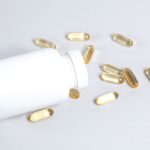
Some studies have examined what happens when people receive iron supplementation. The results are encouraging. In many cases, treating iron deficiency anemia leads to improvements in cholesterol levels.
A typical finding is that total cholesterol and LDL decrease after iron stores are restored. HDL cholesterol, the “good” cholesterol, often stays the same or improves slightly. Triglycerides may also decrease in some individuals.
This does not mean iron supplements are a cholesterol treatment. They are not. The effect is indirect. Fixing the underlying deficiency allows the body to return to normal function. Normal liver function means normal cholesterol regulation.
Iron supplementation is not appropriate for everyone. Taking iron when your levels are normal can be harmful. Iron overload can damage organs over time. Always get a blood test to confirm deficiency before starting supplements. Your doctor can determine the right dose and form of iron for your situation.
The timeline for improvement varies. Some people see changes in cholesterol within weeks. Others take months. It depends on how severe the deficiency was and how well the body absorbs the supplemental iron.
Should You Test for Iron Deficiency if You Have High Cholesterol?
If you have unexplained high cholesterol, checking iron levels is a reasonable step. This is especially true if you have other signs of iron deficiency. Fatigue, pale skin, shortness of breath, and cold hands and feet are common symptoms.
Your doctor can order a complete iron panel. This includes serum iron, ferritin, transferrin saturation, and total iron-binding capacity. Ferritin is the most important marker for stored iron. Low ferritin indicates depleted iron stores even if hemoglobin is still normal.
It is also worth noting that high cholesterol and iron deficiency share some risk factors. Poor diet is a common cause of both. People who eat highly processed diets may lack iron and consume excess saturated fats. In this case, the high cholesterol may be more related to diet than to iron status.
Another consideration is that iron deficiency can sometimes be a sign of a more serious problem. Blood loss is the most common cause in adults. Gastrointestinal bleeding, heavy menstrual periods, or frequent blood donation can all deplete iron stores. Identifying the cause of iron deficiency is important.
What Are the Other Causes of High Cholesterol?
Iron deficiency is only one possible contributor to high cholesterol. Many other factors are more common and more significant for most people.
Diet is the biggest lifestyle factor. Diets high in saturated fats and trans fats raise LDL cholesterol. Refined carbohydrates and added sugars can also contribute. Replacing these with fiber-rich foods, vegetables, and healthy fats supports better lipid profiles.
Genetics play a major role. Familial hypercholesterolemia is a genetic condition that causes very high LDL levels regardless of lifestyle. About 1 in 250 people have this condition. It requires medical management, often with statin medications.
Other conditions can raise cholesterol. Hypothyroidism, diabetes, kidney disease, and liver disease all affect lipid metabolism. Certain medications, including some diuretics and corticosteroids, can also raise cholesterol levels.
Age and sex matter too. Cholesterol levels naturally rise with age. Women often see increases after menopause due to changes in estrogen. Men tend to have higher cholesterol earlier in life compared to premenopausal women.
How to Manage Both Conditions
If you have both low iron and high cholesterol, both need attention. Addressing one without the other may not fully solve the problem.
Treating iron deficiency is the priority when deficiency is confirmed. This involves iron supplementation and addressing the underlying cause of the deficiency. Your doctor will monitor your iron levels to ensure they return to normal without going too high.
For cholesterol, lifestyle changes are the first line of defense. A heart-healthy diet, regular physical activity, and weight management can lower cholesterol. If these are not enough, medications like statins may be recommended.
Some foods can help with both conditions. Iron-rich foods include lean meats, beans, lentils, and fortified cereals. Pairing these with vitamin C sources improves iron absorption. At the same time, a diet low in saturated fat and high in fiber supports cholesterol management. Foods like oats, nuts, and fatty fish fit both goals.
One caution about diet: plant-based iron is less absorbable than animal-based iron. If you follow a vegetarian or vegan diet, you may need more iron-rich plant foods. Your doctor may also recommend checking your iron levels regularly.
When to See a Doctor
Unexplained fatigue, weakness, or shortness of breath warrants a medical evaluation. These can be signs of iron deficiency anemia. If you have high cholesterol and these symptoms, mention both to your doctor.
Do not self-diagnose or self-treat with iron supplements. Iron overload is a real risk. It can cause liver damage, heart problems, and other complications. Only take iron supplements under medical supervision.
Your doctor can determine whether your high cholesterol is related to iron deficiency or other factors. They can also check for conditions that cause iron deficiency. A comprehensive evaluation is the safest and most effective approach.
Frequently Asked Questions
Can low iron cause high cholesterol?
Yes, iron deficiency can contribute to higher cholesterol levels in some people. The effect appears related to changes in liver function and cholesterol metabolism.
Will treating iron deficiency lower cholesterol?
Some studies show cholesterol improves after iron levels are restored. The effect is indirect and not guaranteed for everyone.
What blood tests check for iron deficiency?
A complete iron panel includes serum iron, ferritin, and transferrin saturation. Ferritin is the key marker for stored iron.
Can iron supplements harm you?
Yes, taking iron when your levels are normal can cause iron overload. This can damage organs over time, so only take iron under medical supervision.
