
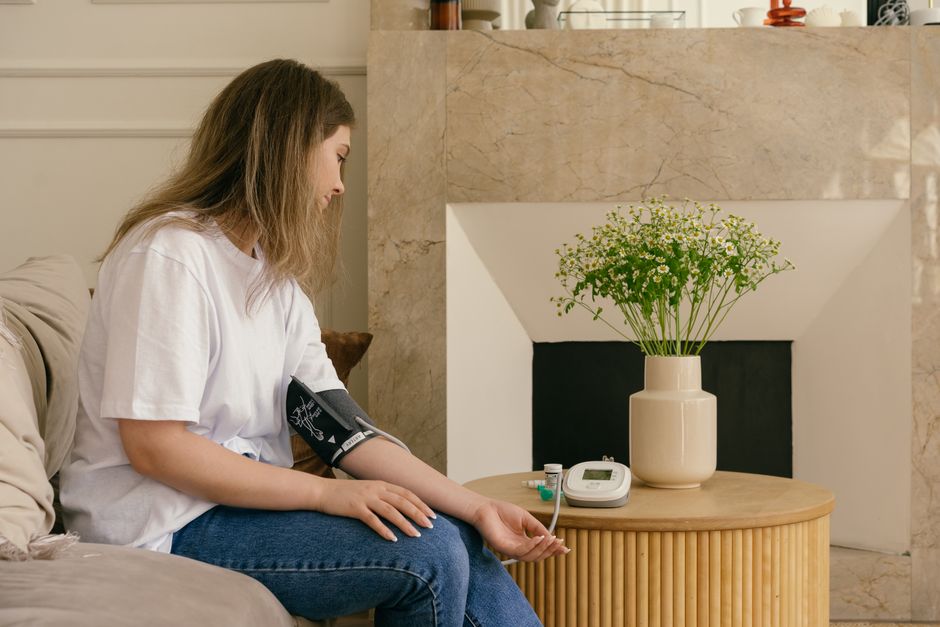
High blood pressure does not directly cause anxiety. But the two conditions are closely linked, and each can make the other worse. Understanding that connection matters because it changes how you approach both your blood pressure readings and your anxious feelings.
What Is the Relationship Between High Blood Pressure and Anxiety?
Anxiety does not cause chronic high blood pressure. That is an important distinction. Temporary spikes in blood pressure during moments of acute anxiety are real, but they are not the same as a hypertension diagnosis.
When you feel anxious, your body releases stress hormones like adrenaline and cortisol. These hormones make your heart beat faster and narrow your blood vessels. That combination raises your blood pressure in the moment. Once the anxiety passes, your blood pressure usually returns to its baseline level.
Chronic anxiety, however, may contribute to long-term blood pressure problems. Some research suggests that people with persistent anxiety have higher average blood pressure over time. The exact mechanism is not fully understood, but repeated stress hormone surges likely play a role.
Can Worrying About Blood Pressure Make It Higher?
Yes. This is sometimes called white coat hypertension. Some people feel anxious when their blood pressure is measured, especially in a medical setting. That anxiety can push the reading higher than their true resting blood pressure.
This creates a frustrating cycle. You check your blood pressure, the reading is high, you feel anxious about the high reading, and that anxiety keeps your blood pressure elevated. The reading stays high because you are anxious about the reading.
If this happens to you, home monitoring can help. Taking measurements in a calm environment, after sitting quietly for five minutes, often gives a more accurate picture. Your doctor may also recommend ambulatory monitoring, which takes readings throughout the day during normal activities.
How Can You Tell Anxiety From High Blood Pressure Symptoms?
The symptoms overlap significantly. Both conditions can cause a racing heart, sweating, shortness of breath, and a feeling of tension. This overlap makes it difficult to know which condition is driving your symptoms.
The key difference is timing and context. Anxiety symptoms typically come in waves and are often linked to specific stressors or worries. High blood pressure usually produces no symptoms at all. Most people with hypertension feel completely normal.
Severe high blood pressure, sometimes called a hypertensive crisis, can cause headaches, chest pain, and vision changes. But this is rare and requires immediate medical attention. Routine hypertension rarely announces itself through symptoms.
If you are experiencing chest pain, severe headache, or difficulty breathing, seek emergency care. Do not try to determine on your own whether it is anxiety or blood pressure related.





Does High Blood Pressure Cause Anxiety? The Medical Evidence
Research consistently shows that people with hypertension have higher rates of anxiety than people with normal blood pressure. But this association does not prove that high blood pressure causes anxiety.
The relationship appears to work in both directions. Living with a chronic condition like hypertension can create worry about health outcomes. That worry can develop into anxiety. At the same time, the physiological effects of anxiety may contribute to blood pressure elevation over time.
Some studies suggest that certain blood pressure medications may affect mood. Beta-blockers, for example, are sometimes prescribed for performance anxiety because they reduce the physical symptoms of nervousness. Other blood pressure drugs have been associated with mood changes in some people, though this is not common.
Some research indicates that people who are told they have high blood pressure may become more anxious about their health. This is not the same as the condition itself causing anxiety, but it is a real psychological effect of a diagnosis.
What Comes First: High Blood Pressure or Anxiety?
There is no simple answer. For some people, anxiety came first and may have contributed to blood pressure elevation. For others, a hypertension diagnosis triggered health-related anxiety. Many people develop both conditions independently.
What matters more than the order is treating both conditions together. Managing anxiety can help lower blood pressure readings in the moment. Managing blood pressure reduces long-term health risks that may be a source of worry.
Mental health treatment can have a measurable effect on blood pressure. Cognitive behavioral therapy, mindfulness practices, and regular exercise all address both anxiety and cardiovascular health. Antianxiety medications may also help some people, though they are not a primary treatment for hypertension.
How Is Anxiety Related to Blood Pressure Readings?
Anxiety can cause blood pressure readings to spike temporarily. These spikes can reach levels that would normally be concerning. But a single high reading during an anxious moment does not mean you have hypertension.
Your blood pressure naturally fluctuates throughout the day. It rises with physical activity, stress, and even conversation. It falls during sleep and rest. A diagnosis of hypertension requires multiple elevated readings taken on separate occasions while you are calm.
If your blood pressure is high only when you feel anxious, that pattern is different from consistently elevated readings. Your doctor will look at the whole picture, not just one measurement.
What Should You Do If You Have Both Conditions?
Talk to your doctor openly about both your blood pressure and your anxiety. Many people hesitate to mention anxiety during a blood pressure appointment. But this information is clinically relevant and helps your doctor interpret your readings accurately.
Treatment for both conditions often works well together. Lifestyle changes benefit both anxiety and blood pressure:
- Regular aerobic exercise reduces blood pressure and anxiety symptoms
- Limiting caffeine helps both conditions
- Prioritizing sleep lowers stress hormone levels
- Limiting alcohol intake supports blood pressure control
- Practicing slow, deep breathing can lower readings in the moment
If your anxiety is severe or persistent, professional support is appropriate. A mental health professional can help you develop coping strategies. This is not separate from your physical health care. It is part of it.
Can Treating Anxiety Lower Blood Pressure?
Treating anxiety can lower blood pressure readings during anxious moments. Whether it lowers average daily blood pressure is less clear. The evidence is mixed.
Some studies show that anxiety treatment reduces blood pressure in people with both conditions. Other studies show minimal effect on resting blood pressure. The difference likely depends on how much anxiety was contributing to the elevated readings in the first place.
For people whose blood pressure is elevated mainly during anxious episodes, anxiety treatment may have a significant effect. For people with consistently elevated blood pressure throughout the day, anxiety treatment alone is unlikely to normalize readings. Antihypertensive medication may still be necessary.
This is why accurate diagnosis matters. Treating only anxiety when you have true hypertension leaves your cardiovascular risk unaddressed. Treating only blood pressure when anxiety is driving your symptoms leaves you feeling unwell.
Frequently Asked Questions
Can anxiety cause permanent high blood pressure?
No, anxiety alone does not cause permanent hypertension. However, repeated anxiety episodes may contribute to higher average blood pressure over time, and the two conditions often coexist.
Can high blood pressure medication cause anxiety?
Some blood pressure medications can affect mood in certain people, but this is not common. If you notice mood changes after starting a new medication, discuss it with your doctor rather than stopping the medication on your own.
Should I take my blood pressure medication if I feel anxious?
Yes, take your medication as prescribed. Anxiety does not change how your blood pressure medication works. If anxiety is a frequent problem, talk to your doctor about strategies to manage both conditions.
How do I know if my symptoms are from anxiety or high blood pressure?
High blood pressure usually causes no symptoms at all. If you are experiencing racing heart, sweating, and shortness of breath, those are more likely anxiety symptoms. A blood pressure monitor and discussion with your doctor can help clarify what is happening.
