
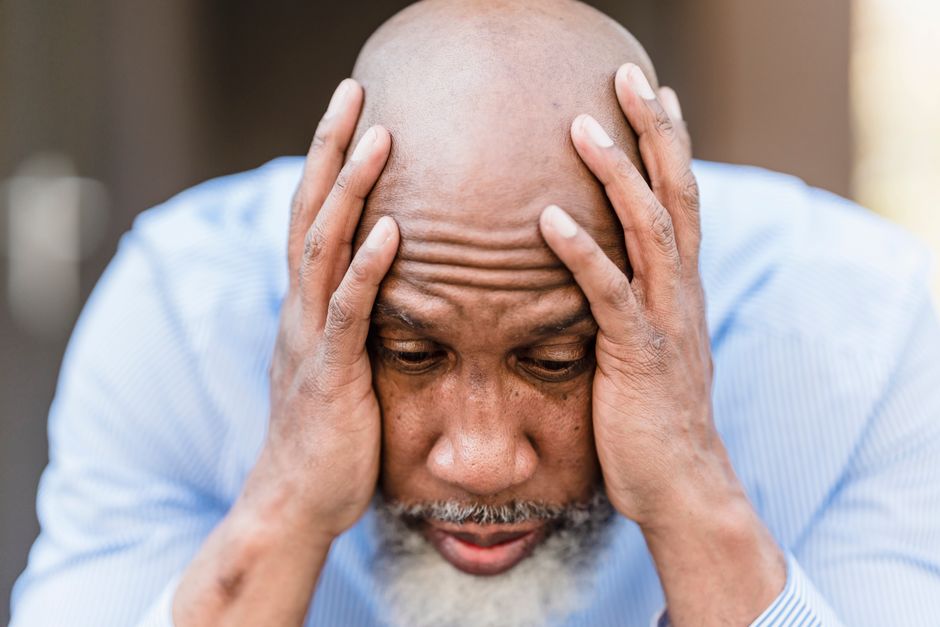
Anxiety head pressure feels like a tight band around your skull, a heavy weight, or a dull ache that won’t let go. It is a physical symptom of your body’s stress response, and it can be stopped quickly by calming that response. The fastest ways to relieve it are controlled breathing, physical movement, and changing your focus away from the sensation.
Why Does Anxiety Cause Head Pressure?
Anxiety triggers your sympathetic nervous system — the “fight or flight” response. Your muscles tense up, including the muscles in your scalp, neck, and jaw. This tension restricts blood flow and creates that pressing, squeezing feeling.
Your breathing also changes. During anxiety, breaths become shallow and fast. This can alter oxygen and carbon dioxide levels in your blood, which some people experience as dizziness or pressure in the head. The sensation is real, but it is not dangerous. It is a temporary response to a perceived threat, not a sign of a medical emergency.
How To Get Rid Of Anxiety Head Pressure Fast
The most reliable method is to slow your breathing down. This directly signals your nervous system to switch from “fight or flight” to “rest and digest.”
Try the 4-7-8 breathing technique. Inhale through your nose for a count of four. Hold your breath for a count of seven. Exhale slowly through your mouth for a count of eight. Repeat this cycle four times. It forces your heart rate to slow and your muscles to relax, which reduces the pressure in your head.
Another fast method is physical release. Gently roll your shoulders backward and forward. Tilt your head side to side to stretch your neck muscles. Open your jaw wide and close it slowly. These movements release the muscle tension that is directly causing the pressure.
Cold water can also help. Splash cold water on your face or hold a cold pack against the back of your neck. The cold stimulates your vagus nerve, which helps lower your heart rate and calm your nervous system quickly.
Breathing Exercises That Actually Work
Breathing exercises are not just a relaxation trend. They have a direct physiological effect. Slow breathing activates the parasympathetic nervous system, which is responsible for calming your body down.
Diaphragmatic breathing is another effective option. Place one hand on your chest and one on your belly. Breathe in deeply so your belly rises, not your chest. Exhale slowly. Do this for two to three minutes. It ensures your lungs are fully expanding and sends a strong signal to your brain that you are safe.
Box breathing is used by people in high-stress professions. Inhale for a count of four. Hold for four. Exhale for four. Hold for four. Repeat. This pattern is simple to remember and effective at regulating your nervous system.
These techniques work best when you practice them regularly, not just during a stressful moment. A few minutes of daily practice makes it easier to use them effectively when anxiety hits.





Physical Ways To Release Tension In Your Head
Your head pressure is often caused by muscle tension that has built up over hours or days. Releasing that tension physically can provide immediate relief.
Massage the muscles around your temples and the base of your skull. Use your fingertips to apply gentle, circular pressure. This increases blood flow to the area and helps relax the muscles.
Apply a warm compress to your neck and shoulders. Heat relaxes tight muscles and can ease the pressure that radiates up into your head. Alternatively, a cold compress on your forehead can numb the area and reduce the intensity of the sensation.
Progressive muscle relaxation is another proven technique. Starting with your toes, tense each muscle group for five seconds, then release. Work your way up your body — feet, legs, stomach, hands, arms, shoulders, face. This practice forces your body to recognize the difference between tension and relaxation, which helps release the pressure in your head.
When To See A Doctor
Anxiety head pressure is uncomfortable but usually not dangerous. However, you should not ignore certain warning signs.
Seek medical attention if your head pressure is sudden and severe, or if it comes with confusion, weakness, numbness, difficulty speaking, or vision changes. These can be signs of a more serious condition like a stroke or a neurological issue.
You should also see a doctor if your head pressure is frequent, worsening, or interfering with your daily life. A healthcare provider can rule out other causes like migraines, sinus issues, or high blood pressure. They can also discuss treatment options for anxiety, including therapy and medication, if your symptoms are persistent.
If you have been diagnosed with an anxiety disorder and your symptoms are not improving with self-care, talk to your doctor. There are effective treatments available, and you do not have to manage this alone.
What Makes Anxiety Head Pressure Worse
Caffeine and alcohol can worsen anxiety symptoms. Caffeine is a stimulant that can increase heart rate and muscle tension. Alcohol can disrupt sleep and increase anxiety the next day. If you are prone to anxiety head pressure, reducing these substances may help.
Poor sleep is another major factor. Sleep deprivation increases stress hormones and makes your body more reactive to stress. Aim for consistent, restful sleep to give your nervous system time to recover.
Prolonged screen time can also contribute. Staring at a screen for hours causes eye strain and encourages poor posture, both of which can add to head pressure. Take regular breaks and adjust your posture to reduce this strain.
Long-Term Strategies To Prevent Anxiety Head Pressure
Quick relief techniques are helpful, but preventing the pressure from building up is more effective. Regular exercise is one of the best long-term strategies. Physical activity burns off stress hormones and releases endorphins, which are natural mood elevators.
Regular mindfulness practice can also help. Mindfulness teaches you to observe your thoughts and physical sensations without reacting to them. Over time, this reduces the intensity of your anxiety response and makes head pressure less likely to occur.
Therapy, particularly cognitive-behavioral therapy (CBT), is highly effective for anxiety disorders. CBT helps you identify and change the thought patterns that trigger your anxiety. Many people find that learning to manage their anxiety reduces or eliminates their physical symptoms.
Frequently Asked Questions
Can anxiety cause pressure in your head?
Yes. Anxiety causes muscle tension in your neck, scalp, and jaw, which can create a pressing or squeezing sensation in your head. It is a common physical symptom of stress and is not dangerous.
How long does anxiety head pressure last?
It can last anywhere from a few minutes to several hours, depending on how long your anxiety response stays active. Using breathing exercises and physical relaxation techniques can shorten the duration significantly.
Is head pressure a sign of a brain tumor?
No. Anxiety head pressure is very common, while brain tumors are extremely rare. If your head pressure is accompanied by sudden severe symptoms like weakness, confusion, or vision loss, seek medical attention, but anxiety is the most likely cause.
What is the fastest way to relieve anxiety head pressure?
The fastest way is to slow your breathing using a technique like 4-7-8 breathing. This activates your parasympathetic nervous system, which calms your body and releases the muscle tension causing the pressure.
