
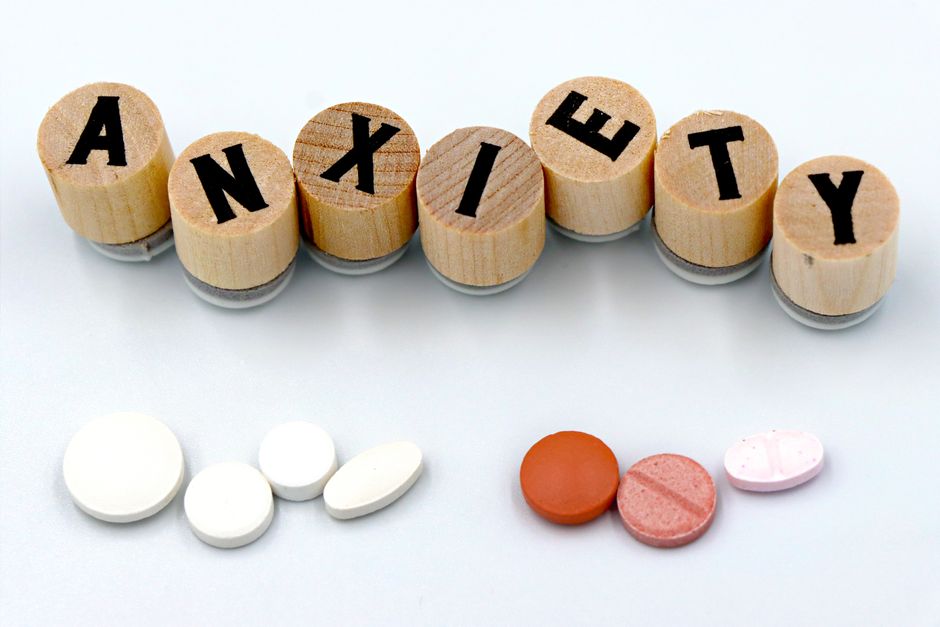
Yes, anxiety can cause your blood pressure to rise. When you feel anxious, your body releases stress hormones that temporarily increase your heart rate and narrow your blood vessels. This causes a short-term spike in blood pressure that usually returns to normal once the anxiety passes. However, anxiety alone is not a confirmed cause of chronic high blood pressure, though the relationship is more complex than a simple yes or no.
How Does Anxiety Raise Blood Pressure in the Moment?
The connection starts in your brain. When you perceive a threat, your amygdala signals your nervous system to prepare for action. This is the fight-or-flight response, and it happens whether the threat is physical or purely mental.
Your adrenal glands release hormones called adrenaline and cortisol. Adrenaline makes your heart beat faster and harder. It also causes your blood vessels to constrict, which means the same amount of blood has to move through narrower passages. The result is a higher pressure against your artery walls.
This response is designed to be temporary. Once the stressful moment ends, your hormone levels drop and your blood pressure settles. For someone with an anxiety disorder, these episodes can happen frequently, sometimes several times a day.
During a panic attack, blood pressure can rise significantly. Some people experience readings that look alarming in the moment. Medical professionals call this “white coat hypertension” when it happens in a doctor’s office, but the same mechanism applies to anxiety anywhere.
Can Anxiety Cause Chronic High Blood Pressure?
This is where the evidence becomes less clear. Short-term spikes from anxiety are well documented. Whether those spikes eventually cause permanent high blood pressure is a different question.
Some research suggests that people with chronic anxiety may have a higher risk of developing hypertension over time. The theory is that repeated spikes cause wear and tear on your blood vessels. Over years, this could contribute to the stiffening of arteries that underlies chronic high blood pressure.
However, the evidence is not strong enough to say anxiety directly causes hypertension. Many people with anxiety have normal blood pressure between episodes. Many people with hypertension have no anxiety at all.
What researchers do know is that anxiety and hypertension often coexist. A 2021 review in the journal Current Hypertension Reports noted that anxiety is common among people with high blood pressure, but the nature of the relationship remains unclear. It may be that anxiety leads to lifestyle factors that raise blood pressure, such as poor sleep, reduced physical activity, or increased alcohol use.
How High Can Blood Pressure Go During Anxiety?
There is no precise number that applies to everyone. The spike depends on your baseline blood pressure, the intensity of the anxiety, and your individual physiology.
Normal blood pressure is defined as less than 120/80 mmHg. During intense anxiety or a panic attack, systolic pressure can rise above 160 mmHg in some people. Diastolic pressure, the bottom number, can also climb. These are temporary readings, not your resting blood pressure.
For most healthy people, a temporary spike to these levels is not dangerous. Your body is designed to handle brief increases in pressure. The concern is different for someone who already has heart disease or untreated hypertension. In those cases, a sharp spike could be more risky.
If you are checking your blood pressure at home and it is high, wait until you feel calm and check again. A single high reading during anxiety does not mean you have hypertension.




How to Tell If Your Blood Pressure Reading Is Accurate
Anxiety can make it hard to get an accurate blood pressure reading. If you feel anxious when you sit down to measure, your reading may reflect that anxiety rather than your true resting pressure.
To get the most accurate reading, sit quietly for five minutes before you measure. Keep both feet flat on the floor. Do not cross your legs. Place the cuff on your bare arm at heart level. Do not talk while the cuff is inflating.
If your first reading is high, wait a few minutes and take another. Many home monitors store multiple readings. Some doctors recommend taking two or three readings one minute apart and averaging them.
If your readings are consistently high even when you feel calm, that is a reason to talk to your doctor. If they are only high when you feel anxious, that pattern is useful information for your clinician as well.
What Should You Do If Anxiety Spikes Your Blood Pressure?
If you have occasional high readings during anxious moments, there are practical steps you can take. Slow breathing is one of the most studied techniques. Breathing out for longer than you breathe in activates your parasympathetic nervous system, which helps your body calm down.
One simple approach is to breathe in for four counts and out for six counts. Repeat this for several minutes. This is not a treatment for hypertension, but it can help your body return to baseline after an anxious episode.
Regular physical activity helps both anxiety and blood pressure. Exercise strengthens your heart so it can pump blood with less effort. It also provides an outlet for stress hormones. The American Heart Association recommends at least 150 minutes of moderate aerobic activity per week.
Sleep matters too. Poor sleep raises stress hormones and can increase both anxiety and blood pressure. Most adults need seven to nine hours per night.
If anxiety is frequent enough to interfere with your daily life, professional support can help. Cognitive behavioral therapy has strong evidence for treating anxiety disorders. Some medications for anxiety also have effects on blood pressure, so your doctor needs to know about both conditions.
When to See a Doctor About Anxiety and Blood Pressure
You should see a doctor if your home blood pressure readings are consistently above 130/80 mmHg when you are calm. You should also seek medical advice if anxiety is affecting your sleep, work, or relationships.
Seek emergency care if you have a very high reading, such as 180/120 mmHg or higher, especially if you also have chest pain, shortness of breath, vision changes, or a severe headache. These symptoms can indicate a hypertensive crisis that requires immediate attention.
It is also worth noting that some symptoms of anxiety overlap with symptoms of heart problems. Chest tightness, rapid heartbeat, and shortness of breath occur in both. If you are not sure whether your symptoms are anxiety or something more serious, it is appropriate to seek medical evaluation. It is better to be checked than to assume.
Your doctor can help you sort out whether you have anxiety, hypertension, or both. These conditions can be managed together. Treating anxiety may help your blood pressure, and managing blood pressure may reduce your health worries.
Does Treating Anxiety Lower Blood Pressure?
Some studies suggest that treating anxiety can help lower blood pressure, but the evidence is not uniform. For people whose blood pressure rises mainly during anxious episodes, reducing anxiety often reduces those spikes.
For people with chronic hypertension, treating anxiety alone is usually not enough. Antihypertensive medications work through different mechanisms than anxiety treatments. You may need both approaches.
One important point: some anxiety medications can affect blood pressure. Selective serotonin reuptake inhibitors, commonly called SSRIs, are generally considered neutral for blood pressure. However, some older antidepressants and certain anti-anxiety medications can cause blood pressure changes. Your doctor should review your full medication list.
Lifestyle changes that help anxiety also help blood pressure. Regular exercise, adequate sleep, reduced caffeine, and stress management techniques all support both systems. This overlap means that improvements in one area often benefit the other.
Frequently Asked Questions
Can a panic attack cause a dangerous spike in blood pressure?
Yes, a panic attack can cause a temporary spike in blood pressure that may look concerning on a monitor. For a healthy person, this spike is usually not dangerous, but if you have heart disease or untreated hypertension, you should discuss this with your doctor.
How long does blood pressure stay elevated after anxiety?
Blood pressure usually returns to normal within minutes to a few hours after the anxiety episode ends. If your blood pressure stays high for days, that points to a different cause than acute anxiety.
Can anxiety cause high blood pressure readings at the doctor’s office?
Yes, this condition is called white coat hypertension, and it is well documented. If your readings are high at the doctor’s office but normal at home, mention this pattern to your clinician.
Will treating my anxiety cure my high blood pressure?
Treating anxiety may lower blood pressure spikes, but it is not a guaranteed cure for chronic hypertension. Many people need separate treatment for each condition.
