
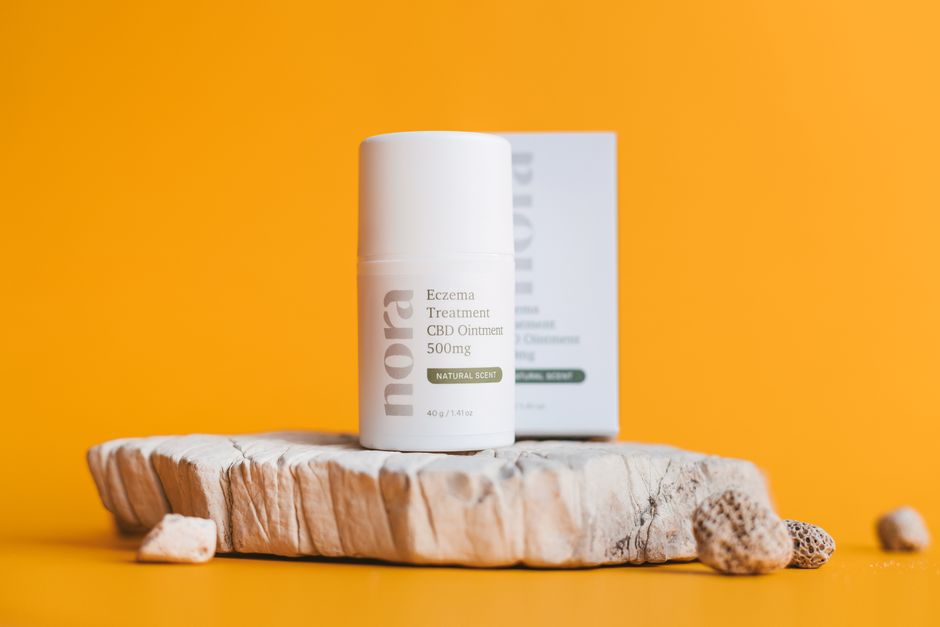
Putting healing ointment on a pimple feels like a sensible move. The skin is red, irritated, and broken — so a product designed for damaged skin seems like the right match. In reality, the answer depends entirely on which ointment you mean and what is happening in that pore. Some thick, occlusive ointments can trap oil and bacteria and make inflammatory acne worse. Others are so mild they do almost nothing for acne at all — they just sit on top of the skin.
The confusion comes from the word “healing.” It sounds medical. It is not a clinical category. Healing ointments are barrier products, meaning they are designed to seal in moisture and keep irritants out. That is genuinely useful for chapped lips, cracked heels, and healing wounds. It is not the same job as treating acne, which is a disorder of the oil glands and hair follicles. Using one product for the other is where trouble starts.
What Is a Healing Ointment, Exactly?
Most products sold as healing ointments share a similar base: petrolatum, mineral oil, lanolin, or a blend of these. Petrolatum is the classic ingredient. It forms a physical seal over the skin that reduces water loss by a large margin — this is one of the best-established facts in dermatology. That seal is why the product works so well on dry, cracked, or wounded skin.
The seal is also the problem for acne-prone skin. Acne forms when dead skin cells and excess oil plug a hair follicle. Bacteria that normally live on the skin, particularly Cutibacterium acnes, can multiply inside that blocked pore and trigger inflammation. A heavy occlusive layer on top of an already blocked follicle adds another barrier. It can hold oil, sweat, and bacteria against the skin instead of letting them clear.
Not every healing ointment is equally heavy. Some are petrolatum-based and very thick. Others are lighter and water-based. The ingredient list matters more than the label.
Does Healing Ointment Help Acne Or Make It Worse?
For inflammatory acne — the red, tender, pus-filled kind — a thick occlusive ointment generally makes things worse, not better. This is not a controversial position. Occlusive ingredients are widely recognized as capable of worsening acne in people who are prone to it, which is why they carry comedogenic warnings on many product labels.
There is one narrow exception worth understanding. After a dermatologist performs a procedure — a chemical peel, laser treatment, or extraction — the skin is temporarily wounded rather than simply acne-prone. In that specific recovery window, some clinicians recommend a plain petrolatum ointment to support healing. That is a short-term wound-care decision made with a professional, not a general acne strategy.
For everyday acne, the honest position is this: healing ointment is not an acne treatment. It does not reduce oil production, unclog pores, kill acne bacteria, or calm the inflammation that drives pimples. At best it is neutral. At worst it feeds the problem.
Why Occlusive Ointments Can Clog Pores
Skin needs to shed. Every day, dead cells from the lining of your hair follicles flake off and move out through the pore opening. Oil from the sebaceous glands flows along the same path. When that flow is working, pores stay clear. When it is not, a plug forms — this is called a comedo, and it is the starting point of every acne lesion.
A heavy ointment sitting on the surface does two things. First, it can physically block the pore opening, so dead cells and oil have nowhere to go. Second, it creates a warm, moist, low-oxygen environment. C. acnes thrives in exactly that kind of environment. More bacteria in a blocked pore means more inflammation, which means a bigger, redder, more painful pimple.
This is why dermatologists often describe occlusive products as comedogenic — meaning capable of causing comedones. The reaction is not instant. It usually builds over days to weeks of regular use, which is why people sometimes do not connect the dots.




Which Ingredients to Look For and Avoid
The ingredient list tells you more than the marketing copy. Here is a practical way to read it.
- High-risk for acne-prone skin: petrolatum, mineral oil, lanolin, coconut oil, isopropyl myristate, and heavy silicones like dimethicone in thick formulations.
- Lower-risk: water-based gels, dimethicone in light serums, glycerin, hyaluronic acid, and petrolatum-free barrier creams.
- Actively helpful for acne: benzoyl peroxide, salicylic acid, adapalene, and — for some people — niacinamide.
The word “non-comedogenic” on a label is a useful signal, but it is not regulated with the same rigor as a drug claim. It reflects testing, not a guarantee. Individual skin still varies.
What Actually Helps Acne Instead
Acne treatment works by interrupting one or more of the steps that create a pimple: excess oil, blocked pores, bacterial overgrowth, and inflammation. Established options target these directly.
Benzoyl peroxide kills C. acnes and reduces inflammation. It is available over the counter and has decades of clinical use behind it. Salicylic acid helps unclog pores by loosening the bonds between dead skin cells. Adapalene, a topical retinoid available without a prescription in the US, normalizes how follicle cells shed and is one of the better-supported acne ingredients. Prescription retinoids, topical antibiotics, and oral medications exist for moderate to severe cases.
What none of these do is seal the skin. That is the point. Acne treatment opens the pore and reduces what feeds the problem. Occlusive ointment does the opposite.
| Product type | Main job | Effect on acne |
|---|---|---|
| Petrolatum healing ointment | Seals in moisture, blocks irritants | Can worsen inflammatory acne |
| Water-based moisturizer | Hydrates without sealing | Generally neutral |
| Benzoyl peroxide | Kills bacteria, reduces inflammation | Treats acne |
| Salicylic acid | Unclogs pores | Treats acne |
| Adapalene | Normalizes cell shedding | Treats acne |
What If Your Skin Is Dry and Acne-Prone?
This is the real dilemma behind most searches on this topic. Many acne treatments — retinoids especially — dry out and irritate the skin. So people reach for a heavy ointment to fix the dryness, then wonder why their acne is not improving.
The better approach is a moisturizer built for acne-prone skin. Look for water-based or gel formulations, glycerin, hyaluronic acid, and light silicones. These hydrate without sealing the pore. Apply them after your acne treatment has absorbed, and give the routine several weeks before judging it — skin turnover takes time.
If a specific area is genuinely cracked or raw — the corners of the nose from a cold, for example — a small amount of plain petrolatum in that spot is reasonable. The key word is spot. Slathering it across the whole face is where acne-prone skin runs into trouble.
Frequently Asked Questions
Does healing ointment help acne?
No. Healing ointments are barrier products designed to seal in moisture, not to treat acne, and they do not reduce oil, unclog pores, or kill acne bacteria. In acne-prone skin they can worsen breakouts by trapping oil and bacteria.
Can healing ointment cause pimples?
Yes, in people prone to acne. Thick occlusive ingredients like petrolatum and mineral oil are considered comedogenic, meaning they can clog pores and trigger new pimples over days to weeks of use.
Is Vaseline good for acne?
Generally no. Vaseline is petrolatum, a heavy occlusive that can worsen inflammatory acne on the face. It is useful for wound healing and chapped skin, but it is not an acne treatment.
What should I use instead of healing ointment for acne?
Use a water-based or gel moisturizer for hydration, and a proven acne ingredient such as benzoyl peroxide, salicylic acid, or adapalene for the acne itself. If your skin is both dry and acne-prone, a light non-comedogenic moisturizer is the better match.
