
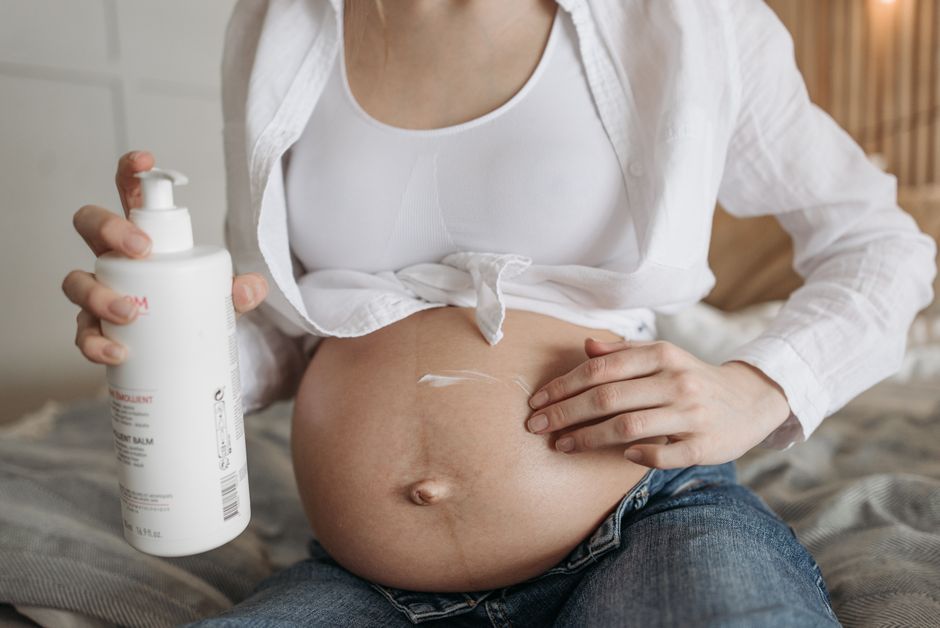
Baby lotion is not an acne treatment, and for many people with acne-prone skin, it can make breakouts worse. While it is gentle and fragrance-free in many formulas, baby lotion is designed for a baby’s dry skin, not for adult acne. It often contains heavy oils and emollients that can clog pores, which is the opposite of what acne-prone skin needs.
Why Baby Lotion Seems Like a Good Idea
The appeal makes sense. Baby products are marketed as the gentlest option available. They are usually free of strong fragrances and harsh chemicals. For someone with irritated, inflamed acne, a “gentle” product sounds like a safe choice.
But gentle does not mean non-comedogenic. The term comedogenic means a product’s tendency to clog pores. Baby lotions are not formulated with acne in mind. Their job is to lock moisture into delicate skin, which often requires heavier ingredients.
Acne-prone skin needs lightweight, non-comedogenic moisturizers. Baby lotion does not meet that standard for most adults.
What Is in Baby Lotion That Can Clog Pores
Many baby lotions contain mineral oil, lanolin, or petrolatum. These are occlusive ingredients. They create a barrier on the skin that traps moisture. That barrier can also trap oil, dead skin cells, and bacteria inside your pores.
Some formulas also include botanical oils like almond oil or soybean oil. These are not inherently bad, but they can be problematic for acne-prone skin. The risk depends on the specific oil and how your skin reacts.
You cannot tell from the label alone whether a product will break you out. But if you have acne, choosing a product designed for a baby’s skin over one designed for adult acne is a gamble with your skin barrier.
How Acne-Prone Skin Is Different From Baby Skin
Baby skin is thin and loses moisture quickly. It needs heavy protection. Adult acne-prone skin is often oily and prone to blocked pores. These are opposite problems that need opposite solutions.
When you apply a heavy lotion to skin that already produces excess oil, you increase the chance of pore blockage. This is not a theory. It is basic skin physiology. Oil and dead skin cells combine. The mixture blocks the hair follicle. Bacteria grow. A pimple forms.
This mechanism is well established. It is why dermatologists recommend oil-free, non-comedogenic products for acne patients. Baby lotion does not fit that category.


Does Baby Lotion Help With Acne Or Make It Worse
For most people, baby lotion makes acne worse. It does not treat the causes of acne. It does not reduce bacteria. It does not calm inflammation in a meaningful way. It only adds moisture, and often, it adds pore-clogging ingredients.
There is a small group of people who may not break out from baby lotion. Their skin may tolerate heavier ingredients without issue. But that does not make it a good choice. It just means their skin is more forgiving.
The bigger risk is hidden. You might use baby lotion for weeks, thinking it is helping, while your skin slowly develops more closed comedones. These are the small flesh-colored bumps that can turn into inflamed pimples later. The damage is not always immediate.
What Actually Helps Acne-Prone Skin Stay Moisturized
Acne treatments like benzoyl peroxide and salicylic acid dry the skin. You still need moisture. The key is choosing a moisturizer that hydrates without blocking pores.
Look for products labeled non-comedogenic. This label means the manufacturer formulated the product to avoid known pore-clogging ingredients. It is not a guarantee, but it is a better starting point.
Gel-based moisturizers are often better for acne-prone skin than cream-based ones. They contain more water and less oil. Ingredients like hyaluronic acid and glycerin draw moisture into the skin without leaving a heavy residue.
If your skin feels tight after washing, you need a moisturizer. Skipping moisturizer entirely can make acne worse because dry skin produces more oil to compensate. The answer is not to avoid moisture. It is to use the right kind.
What the Evidence Says About Baby Lotion and Acne
No major clinical study has tested baby lotion as an acne treatment. The evidence we have comes from what dermatologists know about comedogenic ingredients and how acne forms.
Some research has looked at which cosmetic ingredients clog pores. Ingredients commonly found in baby lotion, such as certain oils and waxes, have been identified as comedogenic in laboratory testing. This testing is not perfect. Human skin varies. But the pattern is consistent.
Dermatologists do not recommend baby lotion for acne. This is not a controversial position. It is standard clinical advice. If you search dermatology resources, you will find the same message repeated: baby lotion is not for acne-prone adult skin.
What to Do If You Already Used Baby Lotion
If you have been using baby lotion and notice new breakouts, stop using it. Your skin will not be permanently damaged. Acne from a product usually clears once the product is removed.
Wash your face with a gentle cleanser. Switch to a non-comedogenic moisturizer. Give your skin two to four weeks to adjust. If your acne does not improve, see a dermatologist.
One bad product choice does not ruin your skin permanently. But repeatedly using pore-clogging products can keep acne going for months. It is worth getting this right.
Are There Any Situations Where Baby Lotion Is Okay
If you have dry skin and no acne, baby lotion is fine. It is a perfectly good moisturizer for people who do not break out. The problem is specific to acne-prone skin.
Some people with acne also have a compromised skin barrier from harsh treatments. In that case, a dermatologist might recommend a heavier moisturizer temporarily. But that recommendation would be specific to your skin, not a general endorsement of baby lotion.
Do not assume that because a product is marketed for babies it is safe for your face. Marketing is not medical advice. The ingredient list matters more than the label.
How to Choose a Moisturizer When You Have Acne
- Look for “non-comedogenic” on the label. This is not a perfect guarantee, but it is a useful filter.
- Choose gel or water-based formulas. These are lighter and less likely to clog pores.
- Avoid heavy oils. Coconut oil, mineral oil, and lanolin are common culprits in breakouts.
- Test on a small area first. Apply a new product to one spot on your jawline for a week before using it on your whole face.
- Do not layer too many products. Each additional product adds another chance for pore blockage.
Your skin type can change over time. A product that worked in your twenties might not work in your forties. Pay attention to how your skin responds rather than sticking to old habits.
When to See a Dermatologist
If you have tried over-the-counter acne products for several months without improvement, see a dermatologist. Prescription treatments are more effective than anything you can buy without a prescription.
A dermatologist can also tell you whether your breakouts are actually acne. Some skin conditions look like acne but are not. Rosacea, folliculitis, and perioral dermatitis can all cause bumps that resemble pimples. Treating these with acne products can make them worse.
Do not self-diagnose for years. A single visit to a dermatologist can save you months of trial and error.
Frequently Asked Questions
Can baby lotion clog your pores?
Yes, many baby lotions contain oils and emollients that can clog pores. The risk is higher for people who already have acne-prone skin.
Is baby lotion good for sensitive skin with acne?
No, sensitive skin with acne needs non-comedogenic products designed for acne-prone skin. Baby lotion may be gentle but it is not formulated to prevent breakouts.
What should I use instead of baby lotion for acne?
Use a gel-based, non-comedogenic moisturizer with ingredients like hyaluronic acid or glycerin. These hydrate without adding heavy oils.
How long does it take for skin to clear after stopping baby lotion?
Most people see improvement within two to four weeks after stopping a pore-clogging product. If your skin does not improve, see a dermatologist.
