

If you have ever eaten a heavy, greasy meal and felt your stomach turn soon after, you already know the connection is real. Yes, grease and high-fat foods can cause diarrhea in many people. The mechanism is straightforward: fat triggers the digestive system to work harder, and when the system is overwhelmed, food moves through the intestines too quickly. The result is loose, urgent stools. But not everyone reacts the same way, and understanding why your gut responds to fat can help you make better choices without giving up every delicious thing you enjoy.
Why Does Grease Cause Diarrhea?
Fat is the most difficult nutrient for your body to digest. Proteins and carbohydrates break down relatively quickly, but fat requires a multi-step process involving bile from the liver and enzymes from the pancreas. When you eat a very fatty meal, your body has to produce more bile and more pancreatic enzymes to handle the load.
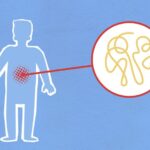
Your small intestine absorbs most of the fat you eat. When the amount of fat exceeds what your intestines can absorb, the excess fat continues down the digestive tract. The colon — which normally absorbs water — cannot absorb fat. Instead, the unabsorbed fat pulls water into the intestines. This combination of excess water and unabsorbed fat produces loose stools and diarrhea.
This condition has a clinical name: steatorrhea. It refers to stools that contain excess fat. You may notice these stools are greasy, pale, bulky, or float in the toilet. They can also be particularly foul-smelling. Steatorrhea is a clear sign that your body is not digesting fat properly.
How Much Fat Triggers Diarrhea?
There is no universal threshold that causes fat-induced diarrhea. Every person has a different tolerance. Some people can eat a fast-food burger and fries without issue. Others experience diarrhea after a single slice of pepperoni pizza.
What matters is the amount of fat relative to your body’s digestive capacity. A meal containing 30–50 grams of fat may overwhelm some digestive systems. For reference, a typical fast-food meal with a burger, fries, and a shake can easily contain 60–80 grams of fat. That is more than an entire day’s recommended fat intake for many adults, concentrated in a single sitting.
Your digestive capacity also changes over time. People who eat a low-fat diet for weeks may find their fat tolerance drops. Conversely, regular consumption of moderate fat can improve your body’s ability to handle it. The gallbladder stores bile, and regular fat intake keeps bile flowing. A sluggish gallbladder may not release enough bile quickly enough to handle a sudden heavy fat load.
What Happens in Your Gut When You Eat Greasy Food?
Your body’s response to a greasy meal begins before you even swallow. The smell and sight of food trigger the release of gastric juices. Once the fat hits your stomach, it slows gastric emptying. This means food stays in your stomach longer, which is why fatty meals make you feel full and sometimes nauseous.
When the partially digested food moves into the small intestine, the hormone cholecystokinin is released. This hormone signals the gallbladder to contract and release bile. Bile acts like a detergent, breaking large fat globules into smaller droplets so enzymes can work on them. If bile release is insufficient — because of gallbladder disease, prior gallbladder removal, or simply a sluggish response — fat digestion is incomplete.
Incomplete digestion means fat reaches the colon. The colon has no mechanism to absorb fat. The presence of fat in the colon triggers water secretion, which produces diarrhea. Some research also suggests that unabsorbed fatty acids can stimulate the colon to contract more forcefully, accelerating the passage of stool.


Who Is Most Likely to Get Diarrhea from Greasy Food?
Certain groups are more vulnerable to fat-induced diarrhea than others. If you fall into any of these categories, you may notice a stronger reaction to greasy meals.
- People with gallbladder disease: Gallstones or gallbladder inflammation reduce bile storage and release. Without adequate bile, fat cannot be properly emulsified.
- People who had their gallbladder removed: Bile drips continuously rather than being released in a concentrated burst. This means less bile is available right after a fatty meal.
- People with irritable bowel syndrome (IBS): IBS makes the gut more sensitive. Fat can trigger stronger intestinal contractions, causing pain and diarrhea.
- People with pancreatic insufficiency: Conditions like chronic pancreatitis reduce the production of digestive enzymes needed to break down fat.
- People with celiac disease: Untreated celiac damages the small intestine’s lining, reducing its ability to absorb nutrients, including fat.
If you consistently get diarrhea after fatty meals, it is worth discussing with a doctor. Frequent fat malabsorption can lead to deficiencies in fat-soluble vitamins — vitamins A, D, E, and K.
Is Greasy Food Diarrhea Dangerous?
An occasional episode after a heavy meal is uncomfortable but not dangerous. Your body will recover once the fat passes through. The main risks are dehydration and nutrient loss if diarrhea is frequent or severe.
Chronic diarrhea from fat malabsorption is a different matter. If you experience greasy, floating stools regularly, it may signal an underlying digestive disorder. Gallbladder disease, pancreatic disease, and small intestinal bacterial overgrowth (SIBO) can all cause fat malabsorption. These conditions require proper diagnosis and treatment.
Seek medical attention if you notice any of the following:
- Diarrhea lasting more than two weeks
- Unexplained weight loss
- Severe abdominal pain
- Blood in your stool
- Fever with diarrhea
These symptoms point to something beyond a simple reaction to greasy food.
What Can You Do to Prevent Grease-Related Diarrhea?
You do not have to eliminate fat from your diet entirely. Fat is essential for hormone production, cell structure, and nutrient absorption. The goal is to manage your fat intake so it does not overwhelm your digestive system.
Start by eating smaller portions of fatty foods. A few slices of pizza may be fine when a whole pie is not. Chew your food thoroughly — digestion begins in the mouth, and smaller food particles are easier for enzymes to break down.
Consider the type of fat you eat. Some research suggests that saturated fats from fried foods are harder to digest than unsaturated fats from sources like olive oil, nuts, and avocados. Fried foods also contain compounds formed during high-heat cooking that may irritate the gut lining.
If you have had your gallbladder removed, eating smaller, more frequent meals can help. Your body can only handle a limited amount of fat at one time when bile is not stored. Spreading fat intake across the day is often more manageable than one large fatty meal.
Does Grease Cause Diarrhea How Fat Affects Your Gut Long-Term?
Repeated episodes of fat-induced diarrhea can change how your gut functions over time. Chronic diarrhea can disrupt the balance of bacteria in your colon. It can also reduce your body’s ability to absorb nutrients, even from foods you digest well.
There is also a behavioral component. If you learn that greasy food causes diarrhea, you may start avoiding all fat. This can lead to a very low-fat diet that is not necessarily healthier. Your body needs dietary fat to absorb fat-soluble vitamins and to produce bile. Extremely low-fat diets can cause gallstones in some people because the gallbladder does not empty regularly.
The better approach is to identify your personal tolerance and work within it. If you know a certain restaurant’s food triggers symptoms, avoid that specific trigger. If you want to eat something fried, pair it with fiber-rich vegetables, which can help slow digestion and stabilize bowel movements.
When to See a Doctor
Occasional diarrhea after a heavy meal is common and usually harmless. But if this happens regularly — more than once a week — it is worth investigating. Your doctor can run tests to check how well your body absorbs fat. A stool test can measure fat content in your stool. Blood tests can check for pancreatic enzyme levels and vitamin deficiencies.
Do not assume that chronic fat-related diarrhea is normal. It may be a sign of a treatable condition. Gallbladder disease, for example, is highly treatable. Pancreatic enzyme replacement therapy can help people with pancreatic insufficiency digest fat properly. Getting the right diagnosis can dramatically improve your quality of life.
Some over-the-counter products claim to help with fat digestion. Digestive enzyme supplements containing lipase are available without a prescription. The evidence for these products is mixed. They may help some people, but they are not regulated as strictly as prescription medications. Talk to your doctor before starting any supplement, especially if you have a diagnosed digestive condition.
Frequently Asked Questions
Can grease cause diarrhea immediately after eating?
Yes, diarrhea can occur within a few hours of eating a greasy meal because fat speeds up intestinal contractions and pulls water into the colon. The exact timing varies from person to person.
How long does diarrhea from greasy food last?
Most episodes resolve within 24 hours once the fatty meal has passed through your system. If diarrhea lasts longer than two days, contact a doctor.
Is it normal to have greasy stools after eating fatty food?
Occasional greasy stools after a very fatty meal can happen to anyone, but frequent greasy stools indicate your body is not absorbing fat properly. This warrants a medical evaluation.
Does removing your gallbladder make you sensitive to grease?
Yes, many people become more sensitive to fatty foods after gallbladder removal because bile is no longer stored and released in concentrated amounts. Eating smaller, lower-fat meals can help reduce symptoms.
