
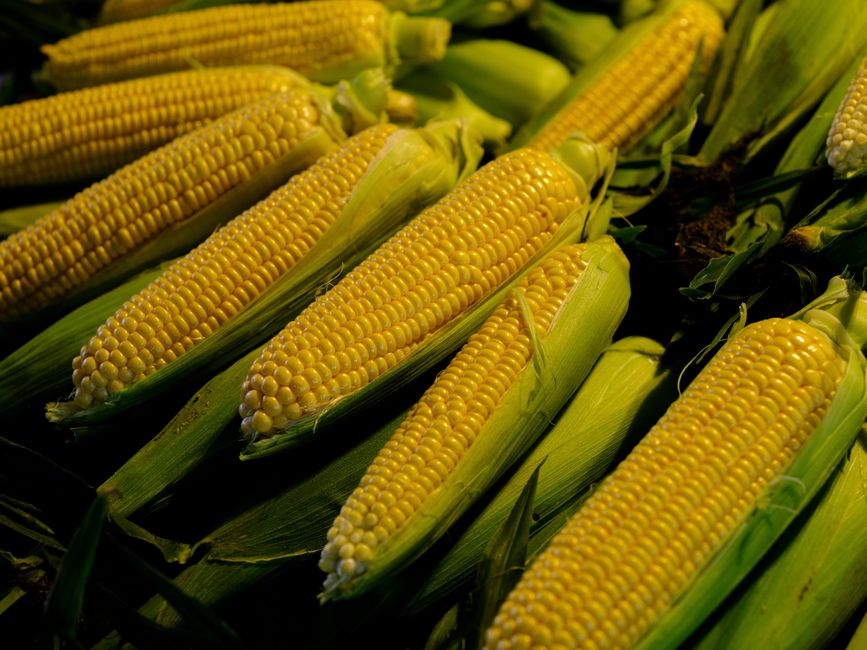
Corn is not easy to digest for most people. The human body lacks the enzymes needed to break down the tough outer shell of the corn kernel, which is why whole kernels often pass through the digestive tract mostly intact. However, the inside of the kernel is digestible, and your body does absorb the nutrients it contains.
Why Does Corn Pass Through Undigested?
The outer layer of each corn kernel is made of cellulose. Cellulose is a type of fiber that the human digestive system cannot break down. Unlike cows or other ruminants, humans do not produce the enzyme cellulase, which is required to split cellulose into smaller pieces.
Because this outer shell remains intact, the digestive tract treats it like a solid object. It moves through the stomach and intestines and eventually comes out in your stool. Seeing whole kernels in your stool is normal and not a sign of a health problem. It simply means the fibrous outer shell did not break down.
What Actually Happens Inside Your Gut?
When you chew corn, you crush the kernels. The mechanical action of chewing is the only way the outer shell gets opened. Once the shell is broken, your stomach acid and digestive enzymes can reach the soft interior of the kernel.
The inside of the kernel contains starch, which is a carbohydrate. Your body produces enzymes like amylase that break starch down into simple sugars. Those sugars are absorbed in the small intestine and used for energy. So while the shell passes through, the nutritious part of the corn does get digested.
Corn also contains other nutrients that your body absorbs. These include B vitamins, magnesium, and certain antioxidants. The fiber in corn, even when undigested, plays a role in your digestive health. It adds bulk to your stool and helps keep your bowel movements regular.
Does Corn Cause Gas and Bloating?
Yes, corn can cause gas and bloating in some people. This happens for two main reasons. First, corn contains a type of carbohydrate that ferments in the large intestine. When undigested food reaches the colon, the bacteria living there feed on it and produce gas as a byproduct.
Second, the undigested cellulose shell adds bulk. As the fiber moves through the colon, it can create pressure and discomfort. This is not harmful, but it can be uncomfortable. People with irritable bowel syndrome or other sensitive digestive conditions may notice more gas and bloating after eating corn than people without those conditions.





Is Sweet Corn Different From Other Types of Corn?
Sweet corn is the type you typically eat on the cob or from a can. It is harvested early, while the kernels are still tender and full of sugar. Other types of corn, like field corn or popcorn, have different properties.
Field corn is dried and used for animal feed or processed into products like cornmeal and corn syrup. It is not eaten fresh. Popcorn is a specific variety that pops when heated. The hull of popcorn is especially tough, which is why people often find popcorn hulls stuck between their teeth or in their stool.
Processed corn products are easier to digest than whole kernels. Cornmeal, corn flour, and corn tortillas are ground, which breaks down the cellulose shell. This means your digestive system can access the nutrients more easily. Corn syrup and corn starch are highly processed and digest very quickly.
How to Make Corn Easier to Digest
If you enjoy corn but want to minimize digestive discomfort, there are a few practical steps you can take.
- Chew thoroughly. The more you chew, the more kernels you crush. This opens the outer shell and exposes the digestible interior.
- Choose processed forms. Cornmeal, polenta, and corn tortillas have already had the shell broken down.
- Cook corn well. Cooking softens the kernel and makes the starch easier to access.
- Eat smaller portions. A smaller serving means less fiber and less fermentable carbohydrate in your gut at one time.
None of these steps will completely eliminate the undigested kernels. The outer shell will still pass through. But these steps can reduce gas and bloating for some people.
Is Corn Good or Bad for Your Digestive Health?
Corn is not bad for your digestive health. The fiber it provides is beneficial. Fiber helps prevent constipation and feeds the beneficial bacteria in your colon. These bacteria produce short-chain fatty acids, which support gut health.
The issue is not that corn is unhealthy. It is that whole kernels are not fully digestible. This is a normal characteristic of the food, not a defect. Many high-fiber foods pass through partially undigested. This is how fiber works.
For most people, eating corn is a healthy choice. It provides carbohydrates for energy, some protein, and a range of vitamins and minerals. The undigested portion is harmless and simply exits the body.
When Should You Be Concerned About Digesting Corn?
Seeing whole kernels in your stool is normal. However, if you experience severe pain, persistent bloating, or a change in bowel habits that lasts more than a few days, you should speak with a healthcare provider. These symptoms are not caused by corn itself and may point to an underlying digestive condition.
People with a corn allergy or intolerance should avoid corn entirely. A true corn allergy is rare but can cause symptoms like hives, swelling, or digestive distress. If you suspect an allergy, stop eating corn and consult a doctor. Do not attempt to manage this on your own.
For people with inflammatory bowel disease, the evidence on corn is mixed. Some clinicians recommend avoiding high-fiber foods during flare-ups. Others find that well-cooked corn is tolerated. If you have a diagnosed digestive condition, talk to your doctor or a registered dietitian about whether corn fits into your diet.
Does Cooking Method Change Digestion?
Cooking method matters, but not as much as you might think. Boiling or steaming softens the kernel and makes the starch gelatinize, which improves digestibility of the interior. Grilling or roasting adds flavor but does not significantly change how the outer shell behaves.
Canned corn is often softer than fresh corn because it is cooked during the canning process. Creamed corn and corn soup are even easier to digest because the kernels are cut or blended. The finer the corn is broken down before you eat it, the less work your digestive system has to do.
Popcorn is a special case. The hull is very tough and does not soften much during cooking. If you find popcorn difficult to digest, you are not alone. Some people choose to avoid popcorn for this reason, even if they tolerate other forms of corn well.
Frequently Asked Questions
Why do I see whole corn kernels in my stool?
Your body cannot break down the cellulose outer shell of corn kernels. The shell passes through your digestive tract intact, which is completely normal and harmless.
Does corn cause bloating?
Corn can cause bloating because undigested fiber ferments in the colon, producing gas. The effect is stronger in people with sensitive digestive systems.
Is canned corn easier to digest than fresh corn?
Canned corn is slightly easier to digest because the canning process softens the kernels. However, the outer shell still passes through mostly undigested.
Is it safe to eat corn every day?
For most people, eating corn daily is safe and provides useful fiber and nutrients. If you notice persistent digestive discomfort, reduce your portion size or choose ground corn products instead.
