
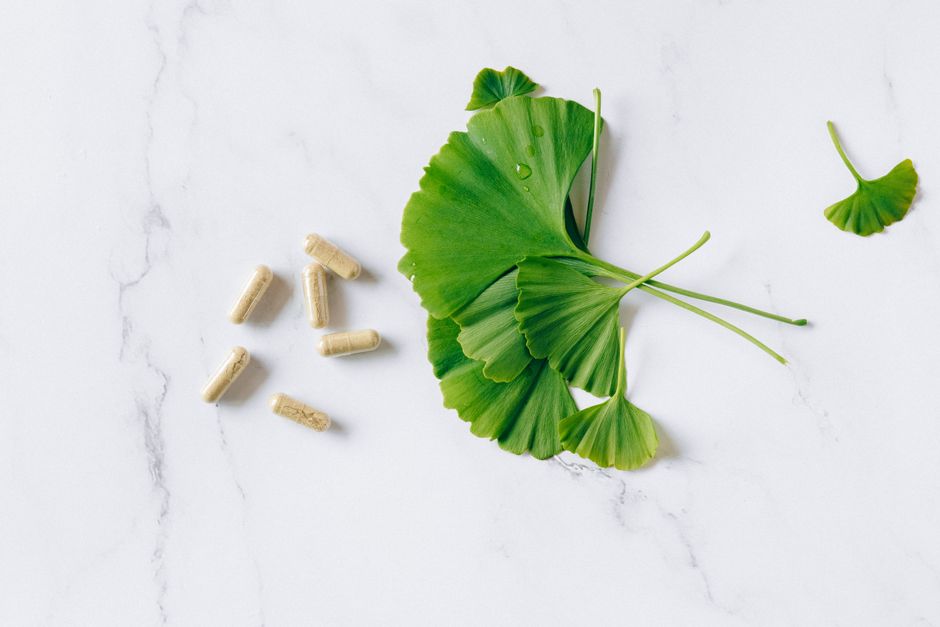
Ginkgo biloba is one of the most popular herbal supplements in the world, but its link to testosterone is often misunderstood. The direct answer is that ginkgo biloba does not increase testosterone production in the body. Research consistently shows that while ginkgo may influence blood flow and certain brain functions, it does not raise serum testosterone levels in men. Instead, its potential benefits for sexual health and vitality come from other mechanisms entirely.
Does Ginkgo Biloba Really Increase Testosterone?
No. The evidence does not support ginkgo biloba as a testosterone booster. Studies that measure actual hormone levels in the blood after ginkgo supplementation have not found a significant rise in total testosterone or free testosterone.
This is a key distinction. Many supplements claim to boost testosterone but fail to show results in clinical trials. Ginkgo falls into this category. It does not stimulate the testes to produce more testosterone, and it does not block estrogen conversion like some other supplements do.
If you are looking for a supplement that raises testosterone, ginkgo is not the answer. If you are looking for a supplement that may support sexual function through better blood flow, that is a different question entirely.
What Ginkgo Biloba Actually Does in the Body
Ginkgo biloba extract comes from the leaves of the ginkgo tree, one of the oldest living tree species on Earth. The active compounds are called flavonoids and terpenoids. These compounds are best known for their effects on circulation.
Ginkgo acts as a vasodilator. It helps relax blood vessels, which can improve blood flow to various parts of the body. This is why ginkgo is often studied for conditions like intermittent claudication, a condition where narrowed arteries reduce blood flow to the legs.
Improved blood flow matters for erectile function. The penis requires adequate blood flow to achieve and maintain an erection. Some research suggests ginkgo may help men with erectile dysfunction, particularly when the cause involves poor circulation.
This is likely where the confusion began. Better erections can feel like better sexual health. But better erections do not mean higher testosterone. The two are separate physiological processes.
The Science Behind Ginkgo and Sexual Function
Some studies have looked at ginkgo specifically for sexual dysfunction. The results are mixed but worth understanding.
One area of research focused on men taking antidepressants. Certain antidepressants, especially SSRIs, can cause sexual side effects including reduced libido and erectile dysfunction. Some small studies suggested ginkgo might help relieve these side effects. However, the quality of this research is limited, and results have not been consistently replicated.
Another area involves ginkgo’s effect on blood vessel dilation. Ginkgo increases the production of nitric oxide in the body. Nitric oxide is a signaling molecule that tells blood vessels to relax and widen. This mechanism is the same one that medications like sildenafil (Viagra) use, though through a different pathway.
This does not mean ginkgo works like Viagra. The effect is much weaker and less predictable. But it does explain why some men report improvements in erectile function when taking ginkgo.




What the Research Shows About Ginkgo and Hormones
When researchers measure actual hormone levels, ginkgo does not change them. Studies that track testosterone, luteinizing hormone, or follicle-stimulating hormone in men taking ginkgo have not found meaningful changes.
Luteinizing hormone is important here. The pituitary gland releases luteinizing hormone, which signals the testes to produce testosterone. If ginkgo raised testosterone, you would expect to see changes in this signaling pathway. Research does not show this.
Some animal studies have shown different results. Rat studies occasionally suggest hormonal changes with ginkgo extract. But animal results do not reliably translate to humans. When human trials measure testosterone levels, they remain stable.
The evidence is consistent: ginkgo is not a hormonal supplement. It is a circulatory supplement.
Potential Benefits of Ginkgo That Are Real
Ginkgo has genuine benefits, even if testosterone is not one of them.
Cognitive function is the most studied area. Some research indicates ginkgo may help with memory and thinking speed in older adults, though results are mixed. The most rigorous trials have shown minimal benefit for dementia or Alzheimer’s disease. For healthy adults, the cognitive effects are subtle at best.
Blood flow is the most established benefit. Ginkgo is approved in some European countries for treating circulatory disorders. It can help with symptoms like cold hands and feet, leg pain from poor circulation, and some cases of dizziness or ringing in the ears.
Antioxidant activity is another documented effect. The flavonoids in ginkgo neutralize free radicals, which are unstable molecules that can damage cells. This antioxidant effect is real but does not translate into a specific hormonal benefit.
Standard Dosage and What to Expect
Clinical trials most often use a standardized extract called EGb 761. This extract is concentrated to contain specific amounts of active compounds, typically 24% flavone glycosides and 6% terpene lactones.
Common dosages in research range from 120 mg to 240 mg per day, usually divided into two or three doses. This is the range that has been studied for cognitive and circulatory effects.
Do not expect immediate results. Ginkgo takes time to build up in your system. Most trials last at least 8 to 12 weeks before meaningful effects are measured. If you are taking it for blood flow or cognitive reasons, give it at least a month before judging whether it works for you.
If you are taking it specifically for testosterone, you will likely be disappointed. No amount of ginkgo will raise your testosterone levels.
Safety, Side Effects, and Drug Interactions
Ginkgo is generally safe for most healthy adults when taken at recommended doses. Side effects are uncommon but can include headache, dizziness, stomach upset, and allergic skin reactions.
There is one serious interaction you must know about. Ginkgo can increase bleeding risk. It inhibits platelet-activating factor, which means your blood does not clot as quickly. This is dangerous if you take blood thinners like warfarin, aspirin, or clopidogrel. It is also a concern before surgery.
Ginkgo can also interact with certain medications, including:
- Blood thinners and antiplatelet drugs
- Antidepressants, especially MAO inhibitors
- Seizure medications
- Diabetes medications
If you take any prescription medication, talk to your doctor before starting ginkgo. This is not optional caution. The bleeding risk is real and well documented.
What Actually Raises Testosterone
If your goal is increasing testosterone, focus on what has solid evidence behind it.
Resistance training is the most reliable lifestyle intervention. Heavy compound exercises like squats, deadlifts, and bench presses stimulate testosterone release, especially when performed with adequate intensity and volume.
Sleep is critical. Testosterone is produced primarily during deep sleep. Studies show that sleeping only 5 to 6 hours per night can reduce testosterone levels by 10% to 15% compared to sleeping 8 hours.
Weight loss matters if you carry excess body fat. Fat tissue converts testosterone to estrogen through an enzyme called aromatase. Losing weight, especially belly fat, can restore healthier testosterone levels.
Vitamin D is one of the few supplements with some evidence for supporting testosterone. Men with low vitamin D levels who correct their deficiency sometimes see testosterone rise. Blood tests can confirm whether you are deficient.
Stress reduction also plays a role. Cortisol, the stress hormone, suppresses testosterone production. Chronic stress keeps cortisol elevated, which keeps testosterone suppressed.
Bottom Line on Ginkgo and Testosterone
Ginkgo biloba does not increase testosterone. The evidence is clear on this point. No clinical trial has shown that ginkgo raises testosterone levels in men.
Ginkgo may still have value for circulation and possibly sexual function through improved blood flow. But it is not a hormone supplement and should not be marketed as one.
If you are considering ginkgo, understand what it can and cannot do. It will not give you the hormonal boost that some supplements claim. For genuine testosterone support, focus on lifestyle factors like strength training, sleep, and weight management.
If you have concerns about your testosterone levels, ask your doctor for a blood test. A simple morning blood draw can tell you where you stand. That is the only reliable way to know if your testosterone is low and whether treatment is appropriate.
Frequently Asked Questions
Can ginkgo biloba boost testosterone levels?
No, ginkgo biloba does not raise testosterone levels in men. Clinical studies measuring blood hormone levels have not found any significant increase.
Why do some people think ginkgo increases testosterone?
The confusion comes from ginkgo’s ability to improve blood flow, which can help with erectile function. Better erections are not the same as higher testosterone.
How much ginkgo biloba should I take daily?
Clinical trials typically use 120 mg to 240 mg per day of standardized extract EGb 761, divided into two or three doses. Always follow the product label and consult your doctor first.
Is ginkgo biloba safe to take every day?
Ginkgo is generally safe for healthy adults at recommended doses, but it can increase bleeding risk and interact with blood thinners and other medications. Talk to your doctor before daily use.
