
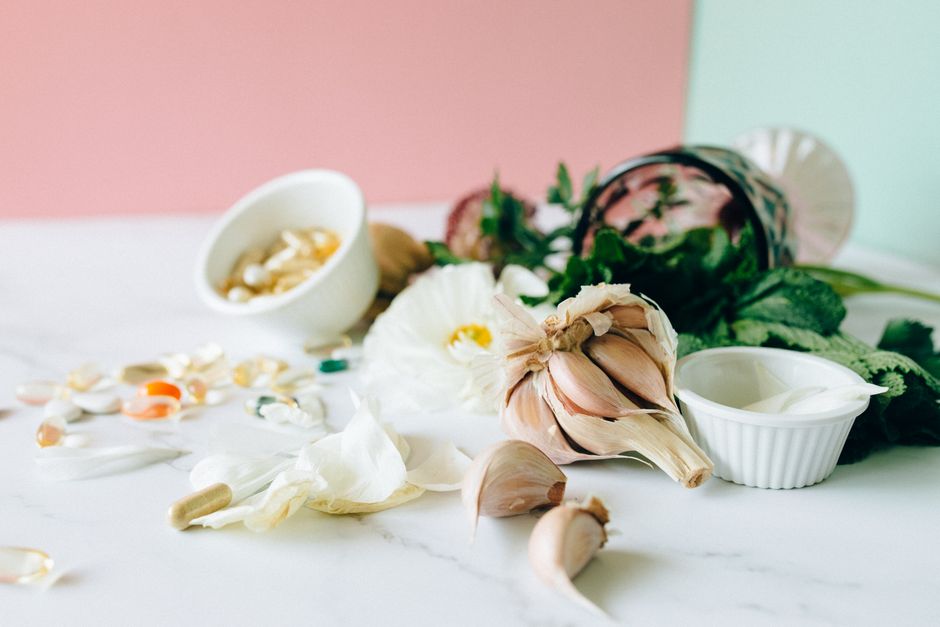
Freezing garlic does not make it unsafe to eat. What it does change is texture — frozen and thawed garlic turns soft and watery — and to a lesser degree, flavor. The way you plan to use the garlic should decide whether freezing makes sense.
Fresh garlic holds up best when you need a sharp raw bite or a crisp slice. Frozen garlic works fine when it will be cooked into something, where texture matters less and its flavor can still come through.
What Happens to Garlic When You Freeze It?
Garlic is mostly water, and water expands as it freezes. That expansion forms ice crystals inside the cells of the clove. Those crystals push against and puncture the cell walls.
When the garlic thaws, the ruptured cells can no longer hold their structure. The clove loses its firmness and releases liquid. This is why thawed garlic looks limp and wet rather than crisp. It is a physical change, not a sign that the garlic has spoiled.
The same process happens to many high-water foods, from berries to tomatoes. The damage comes from the freezing itself, not from anything added or lost.
Does Freezing Garlic Ruin Its Taste?
Freezing dulls garlic’s flavor somewhat, but it does not destroy it. The change is real yet usually modest, and most people notice it more in raw uses than in cooked dishes.
Garlic’s signature bite comes from a compound called allicin. It forms when a compound named alliin meets an enzyme called alliinase. That reaction only happens after the garlic is cut, crushed, or chewed, which is why a whole clove smells mild but a chopped one is pungent.
Freezing does not remove allicin or its building blocks. What it can do is disrupt the cell structure and the enzyme activity that produce that fresh, sharp bite. A thawed clove often tastes flatter and less pungent than a fresh one.
Here is a point many people miss. The allicin reaction needs a few minutes to develop after chopping. If you chop garlic and cook it right away, you get less of that compound than if you let it sit briefly first. This timing matters for fresh garlic. It is a separate issue from freezing, and freezing does not fix or replace it.
Does Freezing Garlic Change Its Texture?
Texture is where freezing takes the biggest toll. A frozen-then-thawed clove goes soft, limp, and watery. It will not slice cleanly, hold a crisp edge, or grate into fine pieces the way a fresh clove does.
For some uses, that softness does not matter. For others, it is a dealbreaker. Think about how the garlic will be used before deciding.
- Good for freezing: soups, stews, sauces, chili, marinades, and any dish where the garlic cooks down and blends in.
- Poor for freezing: raw applications like salad dressings, guacamole, or garlic butter, where a fresh bite and firm texture are the point.
- Also poor for freezing: dishes where garlic is meant to stay crisp or whole, such as quick stir-fries or roasted whole cloves.
If a recipe depends on garlic’s raw pungency or its crisp texture, fresh garlic is the better choice.





Is Frozen Garlic Safe to Eat?
Freezing garlic is safe when it is handled properly. Freezing does not make garlic toxic, and it does not create harmful compounds.
In fact, cold temperatures slow the growth of many spoilage organisms and molds. That is why freezing is a standard way to store food for longer periods. The safety concerns with garlic come from how it is stored and handled, not from freezing itself.
The main risk with garlic is tied to moisture and oxygen, not cold. Fresh garlic stored in oil at room temperature is a well-known concern. Garlic can carry spores of a bacterium that causes botulism, and an oil environment without oxygen and without acid can allow those spores to grow. This is a documented food safety issue.
Because of that risk, garlic-in-oil mixtures should be kept refrigerated and used within a short time, or frozen for longer storage. Do not leave garlic submerged in oil at room temperature for extended periods. If you are unsure how long a garlic-oil mixture has been out, throw it out.
Freezing does not eliminate the need for basic food safety. Keep raw and cooked foods separate, wash your hands and surfaces, and follow standard storage guidance.
How Should You Freeze Garlic?
How you freeze garlic affects how well it holds up. A few simple steps make a difference.
- Start with fresh, firm garlic. Do not freeze cloves that are already soft, sprouting, or moldy.
- Peel the cloves and remove any damaged spots.
- Choose a form: whole cloves, chopped, minced, or pureed. Smaller pieces freeze faster and thaw faster.
- Pack the garlic tightly and press out as much air as possible, or freeze it in a thin layer first and then transfer to a container.
- Label the container with the date.
Freezing in a single layer first, sometimes called flash freezing, keeps pieces from clumping into a solid block. Once frozen, you can move them into a bag or container and scoop out what you need.
For best quality, use frozen garlic within a few months. It stays safe longer than that, but flavor and texture tend to decline over time. These are general storage practices rather than precise clinical thresholds, so treat them as practical guidance rather than a hard rule.
Does Freezing Garlic Destroy Its Nutrients?
Freezing preserves most of garlic’s nutrients reasonably well. Cold storage generally slows the breakdown of vitamins and beneficial compounds rather than accelerating it.
The bigger nutrient losses in garlic usually come from heat, not cold. Cooking at high temperatures for long periods can reduce some heat-sensitive compounds. Freezing, by contrast, tends to lock in much of what is there.
One caveat is worth stating plainly. Much of the research on garlic and health has been done in laboratory settings or in animals. Human trials exist but are fewer and often use garlic supplements rather than fresh or frozen cloves. The evidence for specific health benefits from eating garlic is mixed and does not support strong claims. Freezing does not change that picture either way.
Garlic is a flavorful, low-calorie seasoning that fits easily into many diets. It is not a treatment for disease, and no storage method turns it into one.
Fresh vs. Frozen Garlic: A Quick Comparison
| Factor | Fresh Garlic | Frozen Garlic |
|---|---|---|
| Texture | Firm and crisp | Soft and watery after thawing |
| Raw flavor | Sharp, pungent | Milder, flatter |
| Cooked flavor | Full | Close to fresh |
| Best for raw use | Yes | No |
| Best for cooked dishes | Yes | Yes |
| Storage life | Weeks to months if kept cool and dry | Several months for best quality |
| Safety | Safe when stored properly | Safe when stored properly |
What About Store-Bought Frozen or Jarred Garlic?
Frozen chopped garlic and jarred minced garlic are common convenience products. They are not the same as garlic you freeze at home, and it helps to know the difference.
Frozen chopped garlic is typically blanched or processed before freezing, which affects flavor and texture. Jarred garlic is usually packed in liquid, often with acid added to help keep it stable. These products are convenient and safe when handled as directed, but their flavor is generally milder than fresh garlic.
Read the label. Some products contain added salt, oil, or preservatives. If a jarred product is oil-based, follow the storage instructions on the package. Do not assume a jarred garlic product can sit out at room temperature just because it is shelf-stable before opening.
For cooking, these products can work well. For raw uses where you want a sharp bite, fresh garlic still wins.
Frequently Asked Questions
Does freezing garlic ruin it?
Freezing does not ruin garlic, but it does change it. The texture becomes soft and watery after thawing, and the raw flavor turns milder, while cooked dishes are affected far less.
Is frozen garlic safe to eat?
Yes, frozen garlic is safe when it is handled and stored properly. Freezing does not make garlic toxic, and the main safety concern with garlic involves oil-based mixtures left at room temperature, not freezing.
Can you freeze garlic and use it raw?
You can, but the result is usually disappointing. Thawed garlic loses its crisp texture and sharp bite, so it works far better in cooked dishes than in raw ones like dressings or dips.
How long does frozen garlic last?
Frozen garlic stays safe for several months, though flavor and texture are best within the first few months. These are general storage practices rather than fixed rules.
