
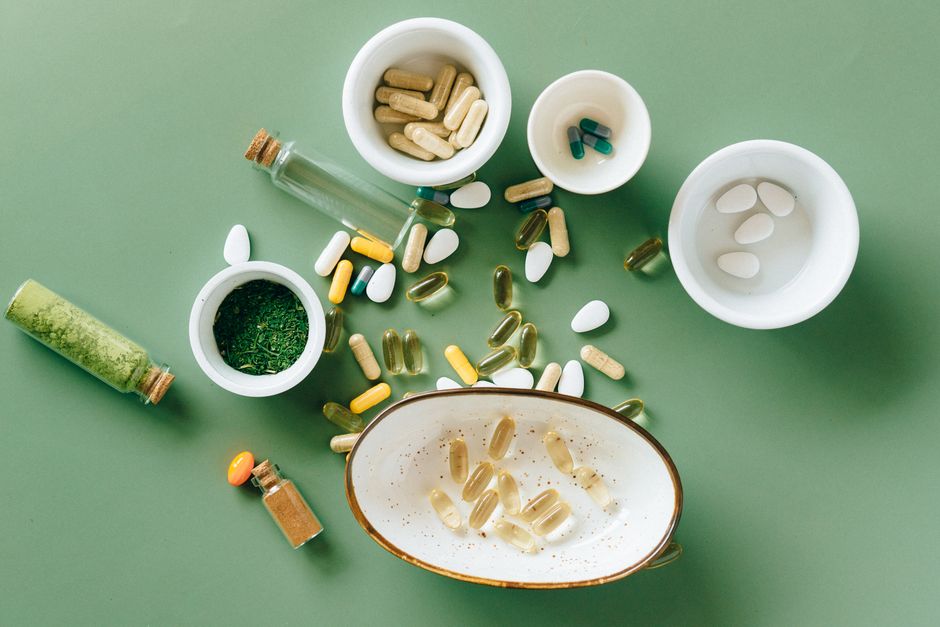
Gamma-linolenic acid, or GLA, is an omega-6 fatty acid that your body uses to make signaling molecules involved in inflammation and blood vessel function. You can get it from foods like borage oil, evening primrose oil, and black currant seed oil, or from supplements sold for skin, hormone, and joint complaints. The evidence behind those uses is uneven — some conditions have reasonable support, others have almost none.
What Is A GLA Supplement and Where Does It Come From?
GLA stands for gamma-linolenic acid. It is a fatty acid in the omega-6 family, which surprises some people. Omega-6 fats have a reputation for promoting inflammation, but that reputation comes mostly from linoleic acid, a different omega-6 found in vegetable oils. GLA behaves differently once it enters the body.
Your body converts dietary linoleic acid into GLA using an enzyme called delta-6-desaturase. That conversion is slow and inefficient in humans. This is the main reason GLA supplements exist at all — taking GLA directly skips a step your body does not perform well.
Once absorbed, GLA is elongated into a fatty acid called dihomo-gamma-linolenic acid, or DGLA. DGLA is the raw material for a group of hormone-like compounds called eicosanoids. Some of these compounds are involved in inflammation and platelet clumping. Others have different effects. This is where most of the marketing claims originate, and also where the marketing gets ahead of the evidence.
Biological plausibility is not the same as proven benefit. DGLA can be converted down more than one pathway, and which pathway dominates depends on enzymes that vary between people. A supplement that changes a lab value does not automatically change how someone feels or how a disease progresses.
What Are the Main Sources of GLA?
GLA is not abundant in most foods. The concentrated sources are seed oils, and they vary widely in how much GLA they contain.
- Borage oil — typically the highest natural source, often cited at around 20 to 25 percent GLA
- Black currant seed oil — usually in the range of 15 to 20 percent GLA
- Evening primrose oil — generally around 8 to 10 percent GLA
- Hemp seed oil — lower, often cited around 2 to 4 percent GLA
These ranges come from standard fatty acid composition data and vary by crop, growing conditions, and how the oil is processed. Most GLA supplements on the market are capsules of one of these oils rather than isolated GLA.
Ordinary foods contribute very little. Human breast milk contains GLA, which is one reason infant formula makers have historically added it, though the amounts and forms used have changed over time. Aside from that, if you are not taking a supplement or using one of these oils, your GLA intake is close to negligible.
What Is A GLA Supplement Actually Used For?
GLA supplements are most often marketed for skin health, hormonal symptoms, and joint comfort. The strength of evidence is not the same across these uses.
Skin and barrier function
Some studies suggest GLA may modestly improve skin moisture and reduce water loss through the skin. The effect sizes in most trials are small, and study quality varies. Evening primrose oil has been studied for atopic dermatitis, with mixed results. Some trials report symptom improvement, others do not, and several were small or lacked strong blinding. The evidence does not support GLA as a treatment for eczema.
Breast pain and hormonal symptoms
Evening primrose oil was once widely recommended for cyclical breast pain and for menopausal hot flashes. The clinical picture here is genuinely mixed. Some trials show benefit, some show none, and reviews of the evidence have not reached a consistent conclusion. This is a case where common clinical practice ran ahead of the trial data, and practice has shifted as a result.
Joint symptoms
GLA has been studied in rheumatoid arthritis, often in combination with other oils. Results have been inconsistent. Some smaller trials reported reduced joint tenderness or less need for pain medication. Larger and better-controlled studies have not reliably confirmed a meaningful benefit. If any effect exists, it appears modest at best.
Diabetic neuropathy
This is one of the more studied uses. GLA was investigated for nerve pain in people with diabetes, and some trials reported symptom improvement. Results across studies have not been consistent, and it is not established as a standard treatment. The evidence is best described as limited and not settled.
How Much GLA Do People Take?
There is no official recommended daily intake for GLA. No government body has established a dietary reference value for it, because it is not considered an essential fatty acid — your body can make it from linoleic acid, even if inefficiently.
Doses used in clinical research have varied widely, and the amount of actual GLA in a capsule depends on which oil it is made from. A 1,000 mg capsule of evening primrose oil and a 1,000 mg capsule of borage oil do not deliver the same amount of GLA. Read the label for the GLA content, not just the total oil weight.
Because no established dosing guideline exists, this article does not provide a dose recommendation. If you are considering a GLA supplement, that is a conversation to have with a clinician who knows your health history and medications.
Is a GLA Supplement Safe?
For most healthy adults, GLA from these oils is generally well tolerated at typical supplemental amounts. The most commonly reported side effects are digestive — nausea, loose stools, or stomach upset. Headaches and rash have also been reported.
There are real cautions worth knowing.
- Blood thinning. GLA may affect platelet function and could add to the effect of anticoagulant or antiplatelet medications such as warfarin, aspirin, or clopidogrel. Anyone on these drugs should not start GLA without medical guidance.
- Pregnancy and breastfeeding. No clinical guidelines currently establish a safe supplemental dose of GLA for pregnant or breastfeeding women. Some evidence has raised questions about evening primrose oil use around pregnancy and labor, and it should not be used for that purpose without obstetric guidance.
- Surgery. Because of possible effects on bleeding, some clinicians advise stopping GLA supplements before surgery. Follow your surgical team’s instructions rather than deciding on your own.
- Epilepsy and seizure medications. Evening primrose oil has been associated with concerns in people taking certain antipsychotic medications, and there are case reports of seizures. This is a reason for caution, not proof of cause.
- Children. No established pediatric dosing exists for GLA supplements.
One more point that rarely gets mentioned: supplement regulation differs from drug regulation. In the United States, dietary supplements are not reviewed by the FDA for safety and effectiveness before they are sold. What is on the label is not always what is in the capsule, and independent testing has found discrepancies in some products. Third-party testing seals are one imperfect way to reduce that risk.
Does GLA Have Real Benefits or Is It Mostly Hype?
The honest answer is that GLA sits in the middle. It is not a worthless compound, and it is not the broad remedy it is often sold as.
GLA is a real fatty acid with real roles in the body. The problem is the gap between that fact and the claims built on top of it. A supplement can change levels of a signaling molecule and still produce no measurable clinical benefit. That gap is where most of the marketing lives.
Where the evidence is strongest, it is still modest and inconsistent. Where the evidence is weakest — general “hormonal balance,” “detox,” or vague skin glow claims — there is essentially nothing to support it. Phrases like these are not clinical categories, and no trial has tested them.
If you are considering GLA, the useful questions are specific. What symptom are you trying to address? Is there trial evidence for that symptom? What does your clinician think given your medications and history? Those questions will get you further than any general claim about the oil.
Frequently Asked Questions
What foods are highest in GLA?
Borage oil, black currant seed oil, and evening primrose oil are the concentrated sources, with borage oil typically the highest. Regular foods contain very little GLA.
Is GLA the same as omega-3?
No. GLA is an omega-6 fatty acid, which is a different family from omega-3 fats like those in fish oil. The two are not interchangeable.
Can I take GLA with blood thinners?
GLA may affect platelet function and could add to the effect of anticoagulant or antiplatelet drugs. Do not combine them without talking to your prescribing clinician first.
Does evening primrose oil help with hot flashes?
The evidence is mixed, and reviews have not reached a consistent conclusion. Some trials report benefit and others show none.
