
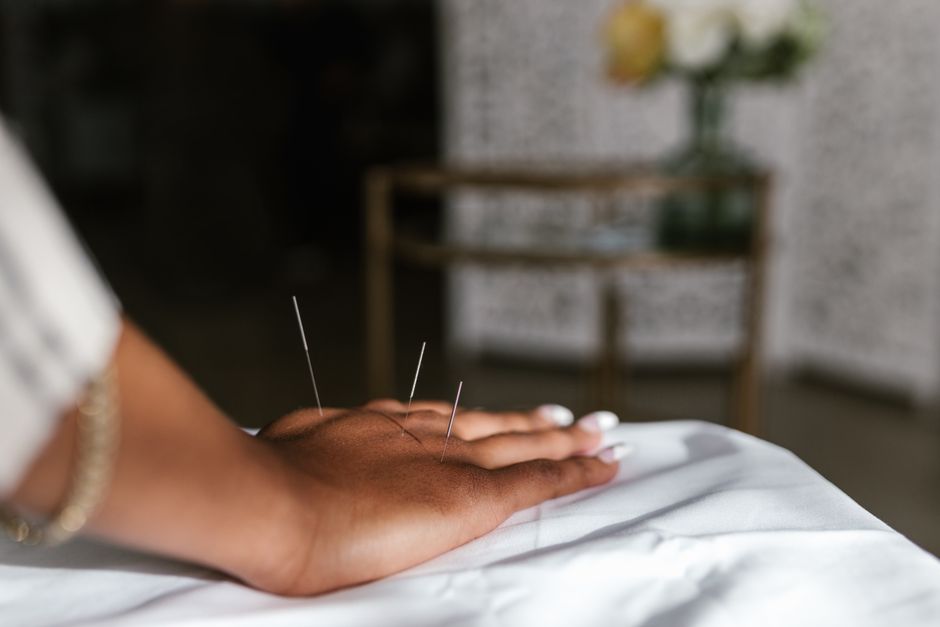
Facial acupuncture, often called an “acupuncture facelift,” is growing in popularity as a natural alternative to cosmetic procedures. The clinical evidence is real but limited. Studies do show measurable improvements in skin elasticity and facial appearance, but the research is small and short-term. It is not a surgical facelift and will not produce dramatic, permanent changes, but the evidence suggests it can offer modest, visible benefits for some people.
What Is Facial Acupuncture and How Is It Done?
Facial acupuncture uses very thin needles inserted into the face, neck, and sometimes the body. The treatment is based on traditional Chinese medicine principles, but modern practitioners also use it for cosmetic reasons. A typical session lasts 30 to 60 minutes and involves 20 to 50 needles depending on the practitioner and the treatment plan.
Most cosmetic acupuncture protocols run in a series. A common approach is 10 to 12 weekly sessions, followed by maintenance treatments every few weeks or months. The needles are sterile, single-use, and much thinner than injection needles. Most people feel a mild sensation when the needle is inserted, but it is generally not painful.
Practitioners often combine facial needles with body points. The theory is that this balances energy flow, which traditional Chinese medicine calls qi. From a Western medical view, the needles trigger local blood flow and tissue response. Both explanations are used, but the visible effects are what matter most to patients.
Does Facial Acupuncture Work The Clinical Evidence
Clinical research on facial acupuncture is limited but not absent. Several small studies have looked at its effects on facial skin. Some research suggests improvements in skin elasticity, firmness, and overall appearance. One study published in a peer-reviewed journal measured skin elasticity before and after treatment and found measurable improvement after several sessions.
Another study used high-resolution photography and skin analysis tools to track changes. Participants showed reduced wrinkle depth and better skin tone after a course of treatment. The results were statistically significant, meaning they were unlikely to be due to chance. However, the sample sizes were small, often under 40 participants, and the studies did not follow patients long-term.
The strongest evidence points to short-term improvement in skin firmness and elasticity. There is less evidence for long-lasting wrinkle reduction. Some dermatologists note that the effects may be due to increased blood flow and collagen stimulation, but they also point out that the results vary widely between individuals.
How Does Facial Acupuncture Affect the Skin?
When a needle enters the skin, it causes a tiny injury. This triggers the body’s natural healing response. Blood flow increases to the area, bringing oxygen and nutrients. Fibroblasts, the cells that produce collagen, become more active. Collagen is the protein that keeps skin firm and elastic.
This mechanism is well understood in wound healing research. The question is whether repeated small injuries from acupuncture produce enough collagen to visibly change facial skin. Some studies suggest yes, but the effect is modest. It is not comparable to the collagen stimulation from laser treatments or injectable fillers.
Facial acupuncture also relaxes muscle tension. Many people hold stress in their facial muscles, which can contribute to expression lines. Needling these muscles may reduce that tension, leading to a smoother appearance. This effect is temporary, lasting days to weeks, and is similar to what some people experience with facial massage or gua sha.



What Are the Realistic Results and Timeline?
Results vary significantly between people. Some notice a subtle glow after the first session, likely from increased blood flow. More meaningful changes typically appear around the fourth to sixth session. The full effect is usually seen after completing the initial series of 10 to 12 treatments.
Improvements are subtle. Patients often report that their skin looks brighter and feels firmer. Friends may notice that they look well-rested or refreshed. The changes are not dramatic. No one will mistake an acupuncture result for a surgical facelift.
The effects are temporary. Most practitioners recommend maintenance sessions every 4 to 8 weeks to preserve results. Without maintenance, the skin gradually returns to its previous state over several months. This is similar to other non-invasive cosmetic treatments that require ongoing sessions to maintain effects.
Is Facial Acupuncture Safe?
Facial acupuncture is generally safe when performed by a licensed, trained practitioner. The most common side effects are minor bruising, slight swelling, and temporary redness at needle sites. These usually resolve within a day or two.
Serious complications are rare but possible. Infection can occur if needles are not sterile or if the skin is not properly cleaned. There is also a small risk of nerve injury, though this is uncommon when the practitioner has proper anatomical training. In rare cases, needles can cause bleeding under the skin that takes longer to heal.
Certain people should avoid facial acupuncture. This includes people with bleeding disorders, those taking blood thinners, and people with active skin infections or severe acne. Pregnant women should consult their doctor first, as some acupuncture points are traditionally avoided during pregnancy. If you have a compromised immune system, discuss the risks with your healthcare provider before starting treatment.
What Does a Session Cost and How Do You Choose a Practitioner?
Cost varies by location and practitioner experience. In the United States, a single session typically ranges from $75 to $200. A full series of 10 to 12 sessions can cost $750 to $2,400 or more. Most insurance plans do not cover cosmetic acupuncture, though some cover acupuncture for medical conditions like chronic pain.
Choosing a qualified practitioner is essential. Look for someone licensed in acupuncture or traditional Chinese medicine. In most states, this requires a master’s degree and passing a national board exam. Ask about their specific experience with facial acupuncture. Some practitioners have additional training in cosmetic needling techniques.
Ask to see before-and-after photos of their clients. Be cautious of practitioners who guarantee dramatic results or pressure you into buying large packages upfront. A reputable practitioner will be honest about what facial acupuncture can and cannot do.
How Does Facial Acupuncture Compare to Other Options?
Facial acupuncture is one of several non-invasive cosmetic options. It is far less expensive than a surgical facelift, which typically costs thousands of dollars. It also carries fewer risks than surgery, which involves anesthesia, incisions, and a longer recovery period.
Compared to injectables like Botox or dermal fillers, acupuncture is very different. Injectables provide immediate, targeted results that last 3 to 6 months. Acupuncture results are gradual and subtler. Injectables work by paralyzing muscles or filling wrinkles directly. Acupuncture works by stimulating the skin’s natural healing response.
Other options include microneedling, chemical peels, and laser treatments. These have more clinical evidence for collagen stimulation than acupuncture does. However, they are often more expensive per session and may require downtime. Acupuncture has essentially no downtime, which is a major advantage for many people.
For those who prefer natural approaches, acupuncture fits well with a holistic health routine. It aligns with practices like herbal medicine and dietary changes. Just be clear that “natural” does not mean “more effective.” The evidence base for these alternative approaches is thinner than for conventional cosmetic procedures.
Who Is a Good Candidate for Facial Acupuncture?
Facial acupuncture works best for people with mild to moderate signs of aging. This includes fine lines, dull skin, and early loss of firmness. People in their 30s and 40s often see the most benefit because their skin still has good collagen production capacity.
People with deep wrinkles, significant skin laxity, or advanced sun damage may be disappointed. These conditions require more aggressive treatments like surgery, lasers, or injectables. Acupuncture will not tighten loose skin or erase deep nasolabial folds.
Good candidates are also realistic about outcomes. If you expect to look 10 years younger after one session, you will be disappointed. If you want a subtle, gradual improvement in skin quality and are willing to commit to a series of treatments, you are a reasonable candidate.
Frequently Asked Questions
How many facial acupuncture sessions do you need to see results?
Most people notice subtle changes around the fourth to sixth session. A full series of 10 to 12 weekly sessions is the standard recommendation for visible results.
How long do facial acupuncture results last?
Results typically last several months without maintenance. Most practitioners recommend a session every 4 to 8 weeks to preserve the effects.
Does facial acupuncture hurt?
Most people feel a mild prick or tingling when the needle is inserted. The sensation is brief and generally not painful.
Is facial acupuncture a replacement for Botox or fillers?
No. Acupuncture produces subtle, gradual improvements in skin quality. Botox and fillers provide immediate, targeted wrinkle reduction and volume restoration.
