
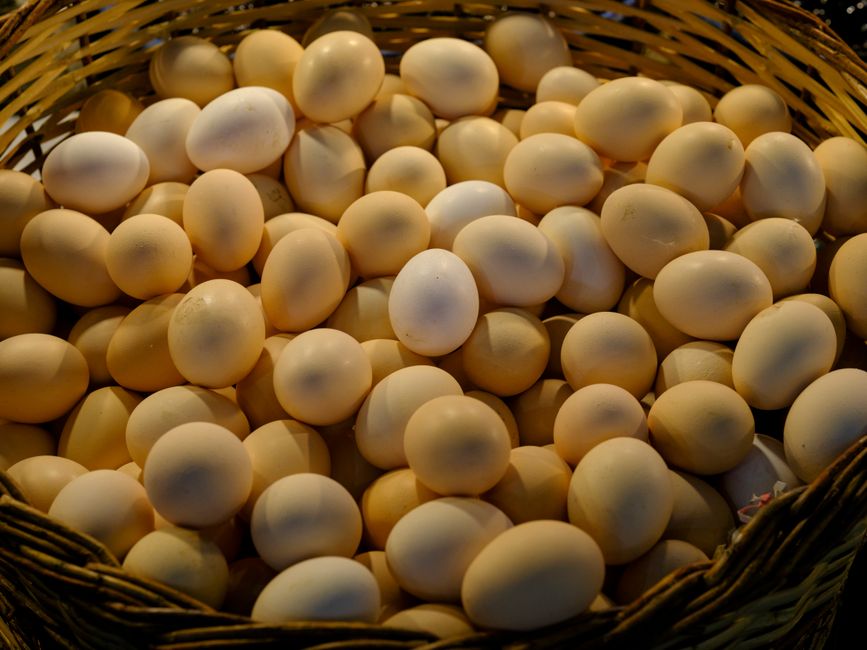
Eggnog can contain raw eggs, but not always. Traditional homemade eggnog recipes call for raw eggs, and many store-bought versions are made with pasteurized eggs or no eggs at all. The real question is whether the eggs in your eggnog are safe to drink, and the answer depends on how the eggnog was made.
Does Eggnog Have Raw Eggs?
Yes, traditional eggnog recipes use raw eggs. The classic recipe combines egg yolks, sugar, milk, cream, and sometimes egg whites that are whipped and folded in. These eggs are not cooked before being added to the drink.
Many commercial eggnogs sold in grocery stores are made with pasteurized eggs. Pasteurization heats the eggs enough to kill harmful bacteria without cooking them. Some commercial versions use no eggs at all and rely on thickeners and flavorings to mimic the texture and taste.
Homemade eggnog is where the raw egg risk lives. If you make eggnog at home with raw eggs, you are drinking raw eggs. That is not inherently dangerous for most healthy adults, but it carries a real risk of foodborne illness.
What Is the Risk of Drinking Raw Eggs in Eggnog?
The main concern with raw eggs is Salmonella. Salmonella bacteria can be present on the outside of eggshells or inside the egg itself. A hen can pass the bacteria into the egg before the shell even forms.
According to the U.S. Food and Drug Administration, about 1 in 20,000 eggs is contaminated with Salmonella. That sounds like good odds, but consider the volume. A single batch of eggnog can use a dozen eggs or more, and one contaminated egg can spoil the entire batch.
For healthy adults, a Salmonella infection is usually unpleasant but not life-threatening. Symptoms include diarrhea, fever, and stomach cramps that typically last 4 to 7 days. For older adults, young children, pregnant women, and people with weakened immune systems, the infection can be severe enough to require hospitalization.
No one can tell if an egg is contaminated just by looking at it. The egg looks, smells, and tastes completely normal. That is what makes raw egg consumption a gamble rather than an obvious risk.
Is Store-Bought Eggnog Safe to Drink?
Store-bought eggnog is generally safe because it is pasteurized. Commercial eggnog undergoes heat treatment that kills bacteria before the product is bottled. This applies to both the eggs and the dairy in the product.
The FDA requires that commercial eggnog made with eggs use pasteurized eggs or pasteurize the finished product. This is not optional. It is a legal requirement for products sold across state lines.
You can also check the label. Most commercial eggnogs say “pasteurized” on the carton. If you see that word, the product has been heat-treated and the risk of Salmonella is very low.
One important note: pasteurization does not mean sterile. Store-bought eggnog still needs to be refrigerated and consumed by the date on the carton. Once opened, it should be drunk within a few days.





How to Make Homemade Eggnog Safe Without Cooking It
If you want to make eggnog from scratch but avoid the raw egg risk, you have two solid options.
The first option is to use pasteurized eggs. These are available in most grocery stores, usually in the refrigerated section near the regular eggs. Pasteurized eggs have been heated to a temperature that kills bacteria while keeping the egg in its liquid form. They behave exactly like raw eggs in recipes.
The second option is to cook the eggnog. A cooked eggnog recipe heats the mixture of eggs, sugar, and milk to about 160°F. This temperature is high enough to kill Salmonella but low enough to avoid scrambling the eggs. The result is a thicker, custard-like drink that is very similar to traditional eggnog.
If you cook your eggnog, use a food thermometer to check the temperature. Do not guess. Reaching 160°F is the difference between safe eggnog and a gamble.
One more option exists for those who want the flavor without any egg: skip the eggs entirely. Many recipes use cornstarch or other thickeners to create the creamy texture without any raw egg risk.
What About Alcohol in Eggnog?
Some people believe that adding alcohol to eggnog kills bacteria. This is not true. The alcohol concentration in a typical spiked eggnog is far too low to kill Salmonella or other pathogens.
A standard eggnog recipe with alcohol contains roughly 10 to 20 percent alcohol by volume. Bacteria-killing requires much higher concentrations, typically above 60 percent. At the levels found in eggnog, alcohol does not meaningfully reduce the risk of foodborne illness.
Alcohol also does not protect the eggnog over time. The classic advice to let spiked eggnog age in the refrigerator for weeks or months does not make it safer. If anything, it gives bacteria more time to multiply before the alcohol reaches levels that slow their growth.
If you are making eggnog with raw eggs, alcohol is not a safety measure. It is just flavor.
Who Should Avoid Raw Egg Eggnog Entirely?
The FDA and the Centers for Disease Control and Prevention advise certain groups to avoid raw eggs completely. These groups include:
- Pregnant women
- Infants and young children
- Older adults
- People with weakened immune systems
- People with chronic illnesses such as diabetes or kidney disease
For these groups, a Salmonella infection is more likely to become serious. It can lead to dehydration, bloodstream infections, and other complications that require medical treatment.
If you fall into any of these groups, choose pasteurized eggnog or a cooked eggnog recipe. The flavor difference is minor, and the safety difference is significant.
It is also worth noting that raw eggs carry a small risk of avian influenza in rare cases, though this is not a major concern with commercially produced eggs in the United States. Salmonella remains the primary food safety issue.
How to Tell If Your Eggnog Has Raw Eggs
If you are at a party or a restaurant and you are not sure whether the eggnog contains raw eggs, ask. There is no reliable way to tell by looking, smelling, or tasting.
Homemade eggnog almost always contains raw eggs unless the person who made it used pasteurized eggs or cooked the mixture. Commercial eggnog from a carton is pasteurized and safe.
If you are hosting and making eggnog for guests, label it clearly. Let people know whether it contains raw eggs. This is especially important if any of your guests are pregnant, elderly, or have health conditions.
When in doubt, do not drink it. The social cost of declining a drink is far lower than the cost of a week of Salmonella symptoms.
Frequently Asked Questions
Does all eggnog contain raw eggs?
No. Commercial eggnog is pasteurized, and some recipes use no eggs at all. Only traditional homemade eggnog made with raw eggs contains them.
Can you get salmonella from eggnog?
Yes, if the eggnog is made with raw contaminated eggs. Pasteurized commercial eggnog and cooked homemade eggnog carry a very low risk.
Is it safe to drink eggnog while pregnant?
Pregnant women should avoid eggnog made with raw eggs. Pasteurized store-bought eggnog or cooked homemade eggnog is the safer choice.
Does alcohol in eggnog kill the bacteria?
No. The alcohol concentration in eggnog is too low to kill Salmonella or other harmful bacteria.
