
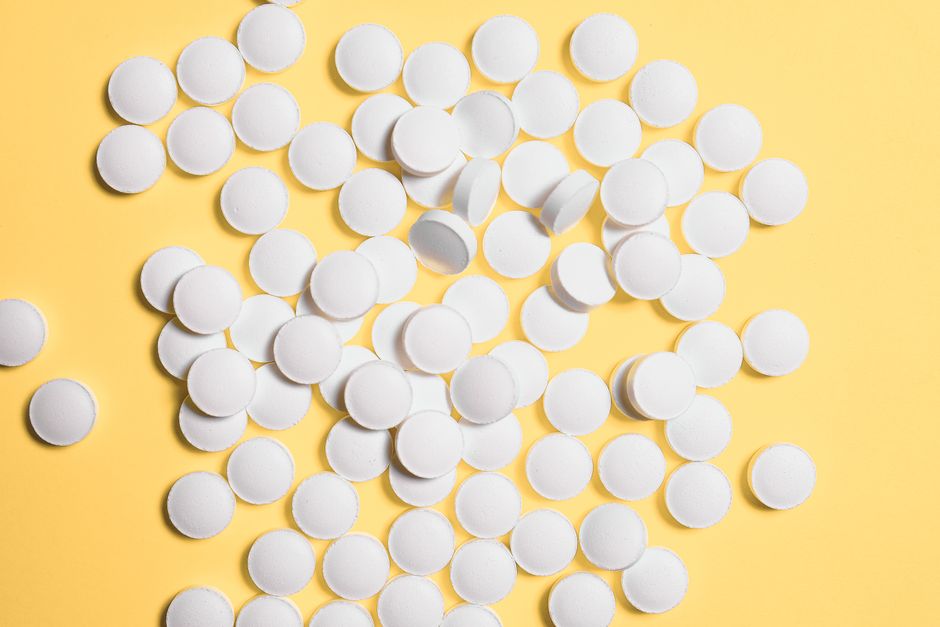
Pepto-Bismol tablets are intended for adults and children 12 years and older, and the standard label dose is two tablets taken every 30 minutes to one hour as needed, up to a maximum of eight tablets in 24 hours. For children under 12, the product is not recommended without a doctor’s guidance. Those numbers come from the manufacturer’s label, and they are the ceiling, not a target.
Bismuth subsalicylate, the active ingredient in Pepto-Bismol, is a real drug with real limits. Taking more than the label allows does not make it work faster. It raises the risk of side effects, some of which are more serious than the stomach upset you were trying to treat.
How Many Pepto Tablets Can You Take in One Day?
The maximum is eight tablets in 24 hours for adults and children 12 and older. That is the number printed on the Drug Facts panel, and it applies whether you take them as regular tablets or chewables.
The dosing schedule matters as much as the total. The label directs two tablets every 30 minutes to one hour as needed. That spacing is not arbitrary. It keeps the amount of bismuth subsalicylate in your system within a range the manufacturer studied, and it gives you a built-in pause to notice whether symptoms are easing.
If eight tablets have not helped, more will not either. At that point the question changes from “how many can I take” to “why is this not working,” and that is a question for a clinician.
What Happens If You Take Too Many Pepto Tablets?
Taking more than the label maximum raises your exposure to two components: bismuth and salicylate. Each has its own set of problems.
Bismuth is the source of the well-known black tongue and black stool that can follow Pepto-Bismol use. That discoloration is harmless and temporary in normal use. In overdose, bismuth can accumulate and, in rare reported cases, cause encephalopathy, a brain condition involving confusion and neurological symptoms. These cases are uncommon and have mostly involved very large or prolonged doses, but they are the reason the ceiling exists.
Salicylate is the other half of the molecule, and it behaves like aspirin in the body. That means an overdose can produce the same problems aspirin overdose does: ringing in the ears, rapid breathing, and in serious cases, metabolic acidosis. Anyone who has taken a large amount of Pepto-Bismol and develops these symptoms should seek medical care rather than wait it out.
If you suspect an overdose, call Poison Control at 1-800-222-1222. That line is staffed around the clock in the United States.
Who Should Not Take the Full Label Dose?
Several groups need to stay below the standard maximum or avoid the product altogether. The label itself lists most of these, and they are not fine print.
- Children and teenagers recovering from chickenpox or flu-like illness: Salicylates are linked to Reye’s syndrome, a rare but serious condition affecting the liver and brain. This is the same reason aspirin is avoided in this group.
- People taking blood thinners or with bleeding disorders: Salicylate affects clotting. Combining it with warfarin or similar drugs can increase bleeding risk.
- People with aspirin or salicylate allergy: Pepto-Bismol contains a salicylate. A true aspirin allergy usually means avoiding this drug too.
- People with gout: Salicylates can raise uric acid levels.
- People with kidney disease: Bismuth is cleared by the kidneys, and impaired clearance changes how long it stays in the body.
- People taking certain medications: Salicylates can interact with diabetes drugs, probenecid, and methotrexate, among others.
Pregnancy and breastfeeding deserve their own mention. Occasional use of bismuth subsalicylate during pregnancy is generally considered low risk by many clinicians, but regular use or use near full term is not, because of the salicylate component. If you are pregnant or nursing, ask your clinician before taking it rather than relying on the label alone.





Does Pepto-Bismol Treat the Cause or Just the Symptoms?
Pepto-Bismol treats symptoms. It does not cure the underlying problem.
The drug works in a few ways. It has mild antibacterial action against some organisms that cause diarrhea, including the bacteria behind traveler’s diarrhea. It reduces inflammation in the stomach lining. And it coats the stomach, which may explain part of its soothing effect.
What it does not do is fix an infection, heal an ulcer, or resolve a food intolerance. If diarrhea is caused by a virus, Pepto-Bismol may ease the discomfort while your body clears the infection on its own. If diarrhea is caused by something that needs antibiotics or another treatment, the tablets will mask the symptom without addressing the source.
That distinction matters when symptoms last. Diarrhea that persists beyond a couple of days in an adult, or that comes with fever, blood, or signs of dehydration, needs medical attention — not another dose.
How Does Pepto-Bismol Compare to Other Stomach Remedies?
Different over-the-counter stomach products do different jobs. Choosing the wrong one is a common reason people feel like nothing is working.
| Product type | Active ingredient | Main use |
|---|---|---|
| Pepto-Bismol | Bismuth subsalicylate | Diarrhea, nausea, upset stomach, heartburn |
| Imodium | Loperamide | Diarrhea only; slows gut movement |
| Tums / Rolaids | Calcium carbonate | Heartburn and acid indigestion |
| Pepcid | Famotidine | Heartburn; reduces acid production |
| Prilosec | Omeprazole | Frequent heartburn; blocks acid production |
The key difference is mechanism. Loperamide slows the intestines, which is useful for diarrhea but risky if you have a fever or bloody stools, because it can trap an infection. Antacids neutralize acid already present. Acid reducers lower how much acid your stomach makes. Bismuth subsalicylate does a bit of several things, which is why it is marketed for a broader range of symptoms.
None of these are interchangeable, and taking more than one at a time without checking with a pharmacist can compound side effects.
What Are the Signs You Should Stop Taking Pepto-Bismol?
Most people tolerate the label dose without trouble. The side effects that do occur are usually mild and go away when you stop.
Black stool and a black tongue are expected and harmless. They can be alarming if you do not know to expect them, and they can also be confused with signs of internal bleeding, so it helps to know which one you are looking at. Pepto-Bismol turns stool black because of the bismuth, not blood. If you are unsure, or if the black stool comes with weakness, dizziness, or abdominal pain, get it checked.
Constipation is another common effect. So is temporary darkening of the tongue.
Stop taking it and talk to a clinician if you notice:
- Ringing in the ears or hearing changes
- Confusion or unusual drowsiness
- Severe or worsening abdominal pain
- Signs of an allergic reaction such as rash, swelling, or trouble breathing
- Symptoms that have not improved after a couple of days of appropriate use
Those last two points are the ones people skip. A product that is not helping after a reasonable trial is giving you information: the problem is probably not one this drug can address.
Can You Take Pepto-Bismol With Other Medications?
Sometimes yes, sometimes no, and the answer depends on what else you take.
The salicylate component is the main concern. It can add to the blood-thinning effect of warfarin and similar drugs, raise the risk of bleeding with other NSAIDs, and interfere with how the body handles methotrexate. It can also affect blood sugar readings in people with diabetes and change how probenecid works for gout.
Bismuth itself has fewer known drug interactions, but it can reduce absorption of some medications if taken at the same time.
The practical move is to ask a pharmacist. They can check your full medication list against bismuth subsalicylate in a couple of minutes, and that check is free at most pharmacies. It is a better use of five minutes than guessing.
Frequently Asked Questions
How many Pepto-Bismol tablets can I take in a day?
The label maximum is eight tablets in 24 hours for adults and children 12 and older. The standard dose is two tablets every 30 minutes to one hour as needed, not to exceed eight in a day.
Can I take Pepto-Bismol every day?
No. The label is intended for short-term use, and taking it daily for more than a couple of days without medical guidance is not recommended. Prolonged use raises the risk of bismuth accumulation and salicylate-related effects.
What happens if I take more than eight Pepto tablets?
Taking more than the label maximum increases your exposure to both bismuth and salicylate, which can cause ringing in the ears, rapid breathing, confusion, or in serious cases, metabolic acidosis. If you suspect an overdose, call Poison Control at 1-800-222-1222.
Can children take Pepto-Bismol?
Pepto-Bismol is not recommended for children under 12 without a doctor’s guidance, and it should not be given to children or teenagers recovering from chickenpox or flu-like illness because of the salicylate content. Ask a pediatrician before giving it to any child.
