
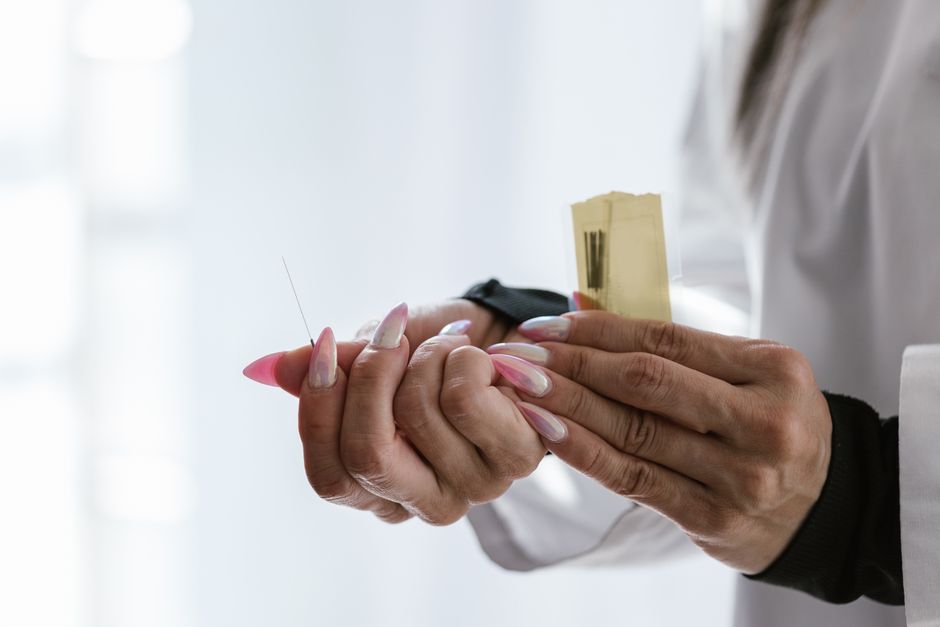
Dry needling involves inserting thin needles into muscle trigger points. Most people feel a brief pinch or twitch sensation rather than sharp pain. The discomfort is typically mild and temporary, lasting only seconds during needle insertion. Many patients describe the feeling as a dull ache or muscle cramp that fades quickly once the needle is removed.
What Exactly Causes Discomfort During Dry Needling?
The sensation comes from the needle passing through skin and muscle tissue. Your skin has pain receptors that respond to any sharp object. The needles used in dry needling are extremely thin — much thinner than standard injection needles. This reduces the sensation significantly.
When the needle reaches a trigger point, you may feel a local twitch response. This is an involuntary muscle contraction. Research published in the Journal of Orthopaedic & Sports Physical Therapy shows this twitch is a sign the treatment is working. The twitch itself can feel strange but is not typically painful.
Some patients report a dull ache or pressure during the procedure. This is different from sharp pain. The ache usually resolves within a few minutes after the needle is removed. Bruising at the insertion site is possible but rare.
Does Dry Needling Hurt More Than Acupuncture?
Dry needling and acupuncture use similar needles but different techniques. Acupuncture targets energy pathways called meridians. Dry needling targets specific muscle knots or trigger points. The sensation can differ because of this.
Acupuncture needles are often left in place for 20-30 minutes. Dry needling needles are usually inserted and removed within seconds. The brief insertion time means less overall discomfort. However, the local twitch response in dry needling can be more intense than the dull sensation during acupuncture.
Research comparing both methods is limited. A 2020 review in the Journal of Pain Research found no significant difference in pain scores between the two. Individual experience varies widely based on the practitioner’s skill and your personal pain tolerance.
What Does Research Say About Pain Levels During Dry Needling?
Studies consistently show dry needling is well-tolerated. A 2017 study in the American Journal of Physical Medicine & Rehabilitation surveyed 1,400 patients. Only 2% reported pain severe enough to stop treatment. Most described the sensation as “mild discomfort.”
Another study in the Journal of Manual & Manipulative Therapy measured pain on a 0-10 scale during dry needling. The average score was 2.3 out of 10. This places it in the mild range. For comparison, a typical headache rates around 4-5 on the same scale.
Research also shows that pain decreases with repeated sessions. Your body adapts to the sensation. Patients who have multiple treatments report less discomfort over time. The first session is usually the most intense.





What Factors Influence How Much Dry Needling Hurts?
Several things affect your experience. The practitioner’s skill level matters most. A trained professional inserts needles quickly and accurately. This minimizes discomfort. An inexperienced practitioner may cause more pain through incorrect placement.
The location of treatment also matters. Areas with less muscle mass, like the hands or face, tend to be more sensitive. Larger muscles like the glutes or quadriceps are usually less painful. The depth of insertion also plays a role — deeper needling into tight muscles can cause more sensation.
Your individual pain tolerance is another factor. Some people are naturally more sensitive to needles. Anxiety about the procedure can also amplify the sensation. Relaxed patients typically report less discomfort.
| Factor | Effect on Discomfort |
|---|---|
| Practitioner skill | Highly skilled = less pain |
| Treatment location | Smaller muscles = more sensitive |
| Needle depth | Deeper insertion = more sensation |
| Your anxiety level | Higher anxiety = more perceived pain |
| Number of sessions | More sessions = less discomfort over time |
What Are the Side Effects and Risks of Dry Needling?
Soreness after treatment is the most common side effect. This feels like mild muscle soreness after exercise. It typically lasts 24-48 hours. Ice or gentle stretching can help. Bruising at the needle site occurs in about 5-10% of cases. This is harmless and fades within a few days.
Serious side effects are rare. A 2021 review in the Journal of Bodywork and Movement Therapies found no major complications in over 10,000 treatments. Minor bleeding, dizziness, or temporary nerve irritation can occur but are uncommon. Infection is extremely rare when proper sterile techniques are used.
Some people report feeling tired or lightheaded after treatment. This is usually temporary. Drinking water and resting for a few minutes after the session can help. If you feel dizzy during treatment, tell your practitioner immediately. They can stop and adjust the procedure.
How Can You Minimize Discomfort During Dry Needling?
Communicate with your practitioner before and during treatment. Tell them if you have a low pain tolerance or anxiety about needles. They can adjust their technique. Some practitioners use a vibrating device on the skin near the needle site. This distracts the brain and reduces the sensation.
- Breathe slowly and deeply during needle insertion. This relaxes your muscles and reduces the twitch response.
- Ask your practitioner to start with less sensitive areas. This builds your confidence before moving to tighter spots.
- Apply a warm pack to the treatment area before your session. Warm muscles respond better and may reduce discomfort.
- Avoid caffeine before treatment. Caffeine can increase muscle tension and make the twitch response more intense.
Some clinics offer numbing sprays or creams. These are not standard but can be requested. Evidence for their effectiveness is mixed. A 2019 study in Pain Medicine found no significant difference in pain scores with topical numbing agents.
Frequently Asked Questions
Does dry needling hurt more than a shot?
No. Dry needling needles are much thinner than injection needles. Most people find dry needling less painful than a standard vaccine or blood draw.
How long does the pain last after dry needling?
Mild soreness typically lasts 24-48 hours. Sharp pain should not persist beyond the treatment session itself. If pain lasts longer, contact your practitioner.
Can dry needling cause nerve damage?
This is extremely rare. Proper technique avoids nerves entirely. Temporary nerve irritation can occur but resolves on its own within a few hours to days.
Is dry needling safe for everyone?
No. People with bleeding disorders, those on blood thinners, or pregnant women should consult a doctor first. Always check with your healthcare provider before starting treatment.
