
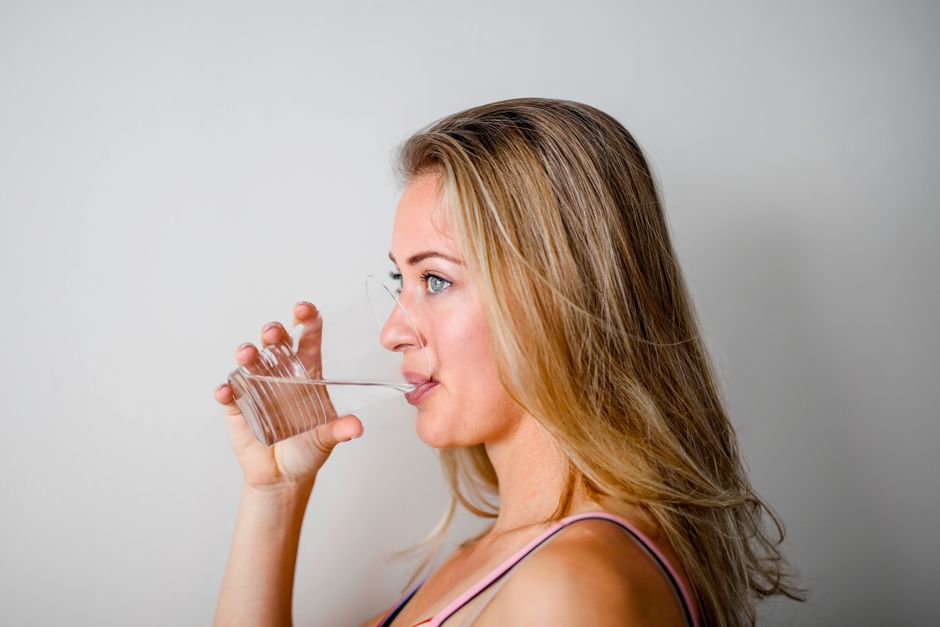
Plain water alone will not stop diarrhea, but it is still one of the most important things you can drink. The main danger from diarrhea is dehydration, and water helps replace the fluid you are losing. What water cannot do on its own is replace the salts and minerals your body loses too. That is why an oral rehydration solution is usually the better choice when diarrhea is heavy or lasts more than a day.
So the short answer is yes, drinking water helps, but it is not enough by itself in many cases. The right drink depends on how severe the diarrhea is and how long it has been going on. Below is what actually works, what to avoid, and when to get medical help.
Why Does Diarrhea Cause Dehydration?
Diarrhea pushes water and electrolytes out of your body faster than normal. Your large intestine usually absorbs most of the fluid left over after digestion. When the lining of the intestine is irritated or infected, that absorption drops and fluid moves out instead.
You lose water, but you also lose sodium, potassium, chloride, and bicarbonate. These electrolytes carry electrical signals that keep your muscles, nerves, and heart working. Losing a lot of them is what makes dehydration from diarrhea more serious than simply feeling thirsty.
This is the key point most people miss. Replacing water without replacing electrolytes can dilute the salts still in your body. In severe cases that can lead to a condition where sodium levels drop too low. This is rare in healthy adults drinking normally, but it is a real concern with very large volumes of plain water and no food or salts.
Does Drinking Water Help With Diarrhea What To Drink?
Water helps by replacing lost fluid, but an oral rehydration solution (ORS) does the full job because it also replaces electrolytes. ORS is a precise mix of water, salt, and sugar. The sugar is not there for energy. It helps your intestine pull sodium and water back into the body through a specific transport system.
That balance matters. Too much sugar can pull more water into the gut and make diarrhea worse. Too little and absorption slows. This is why a properly formulated ORS works better than a homemade guess or a sports drink.
Here is how common options compare:
- Oral rehydration solution: Replaces water and electrolytes in the right balance. The first choice for moderate to heavy diarrhea.
- Plain water: Good for mild cases and for staying hydrated between ORS servings. Does not replace salts.
- Broth or clear soup: Adds some sodium and fluid. Helpful, but not a full electrolyte replacement.
- Sports drinks: Contain electrolytes but usually far more sugar and less sodium than ORS. Not designed for diarrhea.
- Fruit juice and soda: High in sugar and low in sodium. Can worsen diarrhea in some people.
For mild diarrhea in a healthy adult, water plus normal food is often enough. For anything more than mild, ORS is the safer bet. Commercial ORS packets are widely available at pharmacies. A standard recipe from the World Health Organization uses a specific ratio of salt, sugar, and water, and following it exactly matters more than improvising.
How Much Should You Drink During Diarrhea?
The goal is to replace what you lose, not to hit a fixed number. Every loose stool carries out fluid and salts, so the more stools you have, the more you need to drink.
A practical approach is to sip small amounts often rather than large amounts at once. Small frequent sips are easier on a sensitive stomach and are absorbed better. If you drink a large volume quickly, it may come right back up or pass through.
Watch for signs you are falling behind. These include:
- Dark yellow urine or urinating much less than usual
- Dry mouth, dry lips, or a dry tongue
- Feeling dizzy or lightheaded when standing up
- Headache, tiredness, or muscle cramps
- Sunken eyes or skin that stays pinched when gently released
In adults, thirst and urine color are reasonable guides for mild illness. They are less reliable when diarrhea is severe. If you are unsure, drinking to keep urine pale is a sensible target.



What Should You Avoid Drinking?
Some drinks make diarrhea worse. The main culprits are high-sugar drinks, caffeine, and alcohol.
Sugary drinks pull water into the intestine and can increase stool volume. This includes soda, sweetened juice, and many sports drinks when used as your main fluid. Caffeine stimulates the gut and can speed things along. Alcohol worsens dehydration because it makes you urinate more.
Milk is a separate issue. Many adults have some degree of lactose intolerance, and a bout of diarrhea can make it temporarily worse. If milk seems to increase symptoms, it is reasonable to skip it for a few days. This is not true for everyone, and it is not a required step.
Very cold drinks can trigger cramping in some people. This is not dangerous, just uncomfortable. Room temperature fluids are often easier to tolerate.
When Is Water Not Enough?
Water alone is not enough when losses are large or ongoing. This is when electrolyte replacement becomes the priority, not just fluid.
Seek medical care if any of these apply:
- Diarrhea lasts more than two days in an adult without improving
- You cannot keep fluids down
- There is blood or black material in the stool
- You have a high fever or severe pain
- You show signs of serious dehydration, such as confusion, rapid heartbeat, or very little urine
Children, older adults, and anyone with a weakened immune system or a chronic illness can dehydrate faster. For these groups, the threshold for getting help is lower. Infants are a special case. They can lose fluid quickly and become dehydrated within hours, so any diarrhea in an infant should be discussed with a clinician rather than managed at home.
Note that no fixed fluid target applies to everyone. How much you need depends on your body size, how much you are losing, and your overall health. A clinician can give specific guidance for your situation.
Do You Still Need to Eat?
Yes, eating usually helps, and continuing to eat is generally recommended during diarrhea. Food provides some fluid and electrolytes, and it helps the gut recover. The old advice to stop eating is out of date for most people.
Foods that tend to sit well include plain rice, bananas, toast, crackers, and boiled potatoes. These are bland and easy to digest. Salty foods like broth or crackers also help replace sodium.
Very greasy, spicy, or heavily sweetened foods are more likely to cause discomfort. There is no single diet that works for everyone, so it is reasonable to eat what you tolerate and avoid what clearly makes things worse.
Can You Prevent Dehydration From Diarrhea?
Starting fluids early is the best prevention. Do not wait until you feel very thirsty. Thirst often lags behind actual fluid loss, especially in older adults, whose sense of thirst can be blunted.
Keeping ORS on hand at home is a simple step, particularly if you have young children or care for an older adult. Sipping throughout the day works better than trying to catch up later.
Good handwashing also matters, since many causes of diarrhea spread through contact. This is one of the few prevention steps with clear, consistent support.
Frequently Asked Questions
Does drinking water help with diarrhea?
Yes, water helps replace the fluid you lose and is important for preventing dehydration. It does not replace lost electrolytes, so for moderate or heavy diarrhea an oral rehydration solution is the better choice.
What is the best thing to drink when you have diarrhea?
An oral rehydration solution is the best option because it replaces both water and electrolytes in the right balance. Plain water is fine for mild cases and between ORS servings.
Can I just drink sports drinks instead of an oral rehydration solution?
Sports drinks are not a good substitute because they usually contain much more sugar and less sodium than ORS. That sugar can pull more water into the gut and make diarrhea worse.
How long can diarrhea last before I should see a doctor?
See a doctor if diarrhea lasts more than two days in an adult without improving, or sooner if you cannot keep fluids down or see blood in your stool. Infants and older adults should be checked earlier.
