

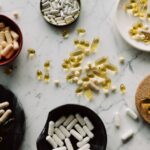
Probiotics are live bacteria and yeasts meant to improve your health. For most people, they do not cause diarrhea. But some people do get diarrhea when they start taking them. This is usually a temporary adjustment period, not a sign of harm. Your digestive system is simply reacting to new bacteria. The diarrhea typically clears up within a few days as your gut adapts.
Why Do Probiotics Sometimes Cause Diarrhea?
When you take a probiotic, you are introducing billions of live organisms into your gut. Your intestinal lining and the existing community of bacteria must adjust to this new presence. This adjustment can cause temporary changes in digestion.
Some people experience loose stools or diarrhea during the first few days. This is often called a “die-off” reaction or a healing crisis. The theory is that as beneficial bacteria multiply, they change the environment in your colon. This can alter water absorption and bowel movement speed. The result is softer stools or diarrhea for a short period.
This reaction is not dangerous. It is a sign that the probiotic is active in your system. Most people find their bowel habits return to normal within three to five days. If diarrhea lasts longer than a week, the probiotic may not be right for you.
Who Is Most Likely to Get Diarrhea From Probiotics?
Not everyone reacts the same way to probiotics. Certain groups are more likely to experience digestive upset when starting a new supplement.
People with sensitive digestive systems are the most common group. If you have irritable bowel syndrome (IBS) or a history of frequent digestive complaints, you may notice more pronounced changes. Your gut is already reactive, and adding new bacteria can trigger a temporary response.
People who have recently taken antibiotics also face a higher chance of digestive changes. Antibiotics wipe out both good and bad bacteria. When you introduce a probiotic, the gut is in a state of flux. This can make the adjustment period more noticeable.
People taking high-dose probiotics may also experience more side effects. Higher doses mean more bacteria entering your system at once. Starting with a lower dose and gradually increasing it can reduce the likelihood of diarrhea.
What the Science Says About Probiotics and Diarrhea
Research on probiotics and diarrhea is extensive, but findings vary by strain and condition. Clinical studies consistently show that probiotics help prevent diarrhea caused by antibiotics. This is one of the strongest areas of evidence in probiotic research.
Studies on probiotics for general digestive health show mixed results. Some people experience improved bowel regularity. Others report no change. A smaller group reports temporary loose stools. This variation is normal because each person’s gut microbiome is unique.
Research published in major medical journals has found that specific strains are more effective than others. Lactobacillus rhamnosus GG and Saccharomyces boulardii have the strongest evidence for preventing antibiotic-associated diarrhea. These strains are also well tolerated by most people.
The evidence does not support the idea that probiotics cause lasting diarrhea. No large human trials have found that probiotics cause chronic digestive problems. The temporary loose stools some people experience are not considered a medical concern.


How to Tell If Diarrhea Is From Probiotics or Something Else
It can be hard to know what is causing your diarrhea. Start by looking at timing. Diarrhea that begins within a few days of starting a probiotic is likely related to the supplement. Diarrhea that starts weeks later probably has another cause.
Check for other symptoms. Probiotic-related diarrhea is usually mild and does not come with fever, severe cramping, or blood in the stool. If you have these symptoms, the cause is likely an infection or another medical condition.
Consider your diet and other medications. Food poisoning, viral infections, and new medications can all cause diarrhea. If you recently changed your diet or started a new prescription, that may be the culprit.
Keep a simple diary. Write down when you take the probiotic and when you have bowel movements. This can help you see a pattern. If the diarrhea follows every dose, the probiotic is likely the cause. If it happens randomly, something else is going on.
What to Do If Probiotics Give You Diarrhea
If you develop diarrhea after starting a probiotic, you have a few options. The first is to wait it out. Mild diarrhea that lasts a few days and then resolves is not a reason to stop. Many people find the adjustment period passes quickly.
You can also reduce your dose. Cut the dose in half for a week. This gives your gut more time to adapt. After a week, you can gradually increase back to the full dose. This approach often prevents diarrhea while still allowing you to get the benefits of the probiotic.
Switch to a different strain. Not all probiotics are the same. Saccharomyces boulardii is a yeast probiotic that is particularly gentle on the digestive system. It does not colonize the gut the way bacterial strains do, so it may cause fewer side effects.
Take the probiotic with food. Taking probiotics on an empty stomach can increase the chance of digestive upset. Food buffers the stomach acid and helps the bacteria pass through more smoothly.
Stay hydrated. Diarrhea causes fluid loss. Drink plenty of water and consider an oral rehydration solution if the diarrhea is frequent. This is especially important for older adults and people with chronic health conditions.
When to Stop Taking Probiotics
Most cases of probiotic-related diarrhea resolve on their own. But there are times when you should stop the supplement and talk to a doctor.
Stop if diarrhea lasts more than one week. Persistent diarrhea can lead to dehydration and nutrient loss. A doctor can help determine if the probiotic is the cause or if something else is going on.
Stop if you develop severe symptoms. High fever, severe abdominal pain, or bloody stools are warning signs. These are not typical probiotic side effects. They suggest an infection or another medical issue that needs evaluation.
People with weakened immune systems should be especially careful. This includes people undergoing chemotherapy, organ transplant recipients, and people with advanced HIV. In rare cases, probiotics can cause infections in these populations. If you have a compromised immune system, talk to your doctor before starting any probiotic.
Some people simply find that probiotics do not agree with them. That is a valid outcome. Probiotics are not essential for everyone. A healthy diet with fiber-rich foods can support your gut bacteria just as effectively.
Frequently Asked Questions
How long does diarrhea from probiotics last?
Most people experience probiotic-related diarrhea for only three to five days. If it lasts longer than a week, stop taking the supplement and consult a doctor.
Should I stop taking probiotics if I get diarrhea?
Not necessarily. Mild diarrhea that resolves within a few days is a normal adjustment period. If the diarrhea is severe or lasts more than a week, stop and seek medical advice.
Can probiotics make IBS diarrhea worse?
Some people with IBS report temporary worsening of symptoms when starting probiotics. The evidence is mixed, and specific strains affect people differently. Starting with a low dose may help reduce this risk.
Are certain probiotic strains less likely to cause diarrhea?
Saccharomyces boulardii is a yeast probiotic that is generally well tolerated and less likely to cause loose stools. Lactobacillus rhamnosus GG also has a good safety profile in clinical studies.
