
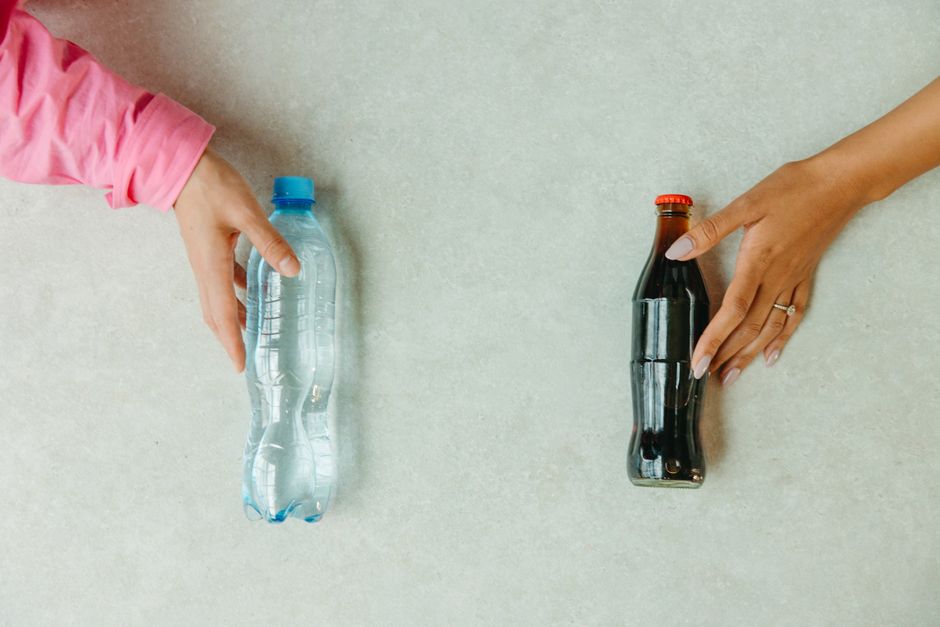
Diet soda does not contain purines or fructose, the two dietary triggers most closely tied to rising uric acid, so it will not raise uric acid the way sugar-sweetened soda can. The evidence linking diet soda itself to gout flares is mixed, and several large studies have found either no meaningful association or only a weak one. If you have gout, diet soda is generally considered a safer choice than regular soda, but “safer than sugar” is not the same as “proven harmless.”
Does Diet Soda Increase Uric Acid And Gout Risk?
Uric acid comes from the breakdown of purines, which are compounds found in your cells and in certain foods. Your kidneys filter uric acid out through urine. Gout happens when uric acid builds up in the blood and forms sharp crystals in a joint, most often the big toe.
Sugar-sweetened soda raises uric acid for a specific reason. It contains fructose, and fructose metabolism inside the liver consumes ATP, a form of cellular energy. When ATP breaks down quickly, one of its end products is uric acid. This is a direct biochemical effect, not a subtle one, and it happens within minutes of drinking a sugary beverage.
Diet soda replaces sugar with artificial sweeteners. Those sweeteners do not go through the same fructose pathway, so they do not produce that immediate uric acid spike. That is the core reason diet soda is not considered a direct driver of high uric acid.
The picture gets less clear when researchers look at long-term gout risk in large populations. Some studies have found a modest association between diet soda intake and gout, while others have found none after adjusting for body weight and other health factors. A reasonable reading is that if a link exists, it is far smaller than the link seen with sugar-sweetened drinks — and it may reflect other things about people who drink a lot of diet soda rather than the soda itself.
Why Does Regular Soda Raise Uric Acid But Diet Soda May Not?
The difference comes down to what the drink is made of. Regular soda is typically sweetened with high-fructose corn syrup or sucrose. Both contain fructose. Diet soda is sweetened with aspartame, sucralose, saccharin, or stevia, none of which are metabolized through the fructose pathway that generates uric acid.
This matters because fructose is unusual among sugars. Glucose is processed throughout the body and does not produce uric acid the same way. Fructose is handled almost entirely by the liver, and its breakdown depletes cellular energy fast enough to release purine breakdown products — including uric acid — as a byproduct. Research published in the journal Hypertension and other peer-reviewed journals has documented this fructose-to-uric-acid pathway in humans.
So the question is not really “is diet soda bad?” It is “does the replacement sweetener trigger the same pathway?” For the sweeteners currently approved in the US, the answer appears to be no, at least not directly.
What About the Sweeteners Themselves?
Some early laboratory work suggested certain sweeteners might affect purine metabolism in isolated cells or animals. That kind of finding does not automatically translate to people drinking a can of diet soda. Human trials measuring uric acid after diet soda consumption have generally not shown a rise.
There is also a separate and unrelated concern about artificial sweeteners and gut bacteria. That research is ongoing and has not produced a clear clinical picture, let alone one specific to gout. It is worth watching but not worth acting on yet.
What Does the Research Actually Show About Diet Soda and Gout?
Large observational studies have produced inconsistent results. Some have reported that men who drank two or more diet sodas per day had a somewhat higher rate of gout than men who drank none. Others, including studies in women, have found little to no association once body mass index and other risk factors were accounted for.
Observational studies cannot prove cause. People who drink a lot of diet soda are also more likely to carry extra weight, have high blood pressure, or have other conditions that independently raise gout risk. Statisticians try to adjust for these, but adjustment is imperfect.
One point that gets lost: several of these studies found a stronger association between diet soda and gout than between diet soda and uric acid levels. If diet soda were raising gout risk by raising uric acid, you would expect the uric acid signal to be at least as strong. That mismatch suggests the association, where it appears, may not run through uric acid at all.
The honest summary is this. The evidence that diet soda raises uric acid is weak. The evidence that it raises gout risk is mixed. The evidence that regular soda raises both is much stronger.




What Actually Raises Uric Acid and Gout Risk?
If you are trying to lower gout risk, the drinks and foods that matter most are well established.
- Sugar-sweetened beverages. Regular soda, sweetened juice drinks, and sweet tea deliver fructose that directly raises uric acid.
- Beer. Beer contains both alcohol and purines from brewer’s yeast, a combination that raises uric acid more than most other alcoholic drinks.
- Spirits and mixed drinks. Alcohol reduces how much uric acid your kidneys excrete.
- Red meat and organ meats. Liver, kidney, and game meats are especially high in purines.
- Certain seafood. Anchovies, sardines, mussels, scallops, and some other shellfish are purine-rich.
- Fructose from any source in large amounts. This includes fruit juice, which many people assume is harmless because it comes from fruit.
Body weight matters as much as diet. Extra body fat is associated with higher uric acid production and reduced excretion. Gradual weight loss tends to lower uric acid over time, though rapid weight loss or fasting can temporarily raise it by releasing purines from broken-down tissue.
Some medications also raise uric acid, including certain diuretics and low-dose aspirin. If your uric acid is high and your diet looks clean, medication review is worth a conversation with your clinician.
Should You Switch From Regular Soda to Diet Soda If You Have Gout?
Switching from regular to diet soda reduces fructose intake, and that is a meaningful step for anyone managing gout. It is one of the more straightforward dietary changes available, because it removes a direct uric acid trigger without requiring you to overhaul your whole diet.
That said, “better than regular soda” is a low bar. Water is better than both. Coffee, including decaffeinated coffee, has been associated with lower gout risk in several studies, though the reason is not fully understood. Low-fat dairy also appears to be associated with lower uric acid.
If you have gout and you drink diet soda, there is no strong evidence that you need to stop on account of your gout. If you drink a large amount daily — several cans or more — and your uric acid remains high despite other changes, cutting back is a reasonable experiment. Just do not expect dramatic results, because diet soda was probably never the main problem.
Does Diet Soda Affect Gout Medications or Flares?
There is no established interaction between diet soda and the common gout medications allopurinol, febuxostat, or colchicine. Nothing in the current evidence suggests diet soda changes how these drugs work or how quickly a flare resolves.
What can complicate gout management is dehydration. Diet soda is not a substitute for water, and staying well hydrated helps your kidneys clear uric acid. If you are drinking diet soda instead of water throughout the day, that swap could matter more than the soda itself.
If you are in the middle of a flare, the priority is treatment, not beverage auditing. Flares are managed with anti-inflammatory medication and, over the longer term, urate-lowering therapy if your clinician recommends it. Diet soda is not a meaningful factor in flare duration either way.
What Is the Bottom Line on Diet Soda and Gout?
Diet soda is not a proven cause of high uric acid or gout. It lacks the fructose that makes regular soda a genuine trigger, and human studies have not shown it produces a uric acid spike. The population-level evidence linking diet soda to gout is inconsistent and may reflect other health factors rather than the drink.
It is also not a health drink, and no one should treat it as one. The most accurate position is that diet soda is a reasonable substitute for sugar-sweetened soda if you are trying to reduce fructose, and it is not something you need to fear on account of gout. The bigger levers — cutting regular soda, limiting beer and spirits, managing weight, and staying hydrated — will do far more for your uric acid than anything involving diet soda.
Frequently Asked Questions
Does diet soda raise uric acid levels?
Human studies have not shown that diet soda raises uric acid, because artificial sweeteners do not go through the fructose pathway that produces uric acid. Sugar-sweetened soda does raise uric acid through that pathway.
Can I drink diet soda if I have gout?
There is no strong evidence that diet soda makes gout worse, so most people with gout do not need to avoid it. Water, coffee, and low-fat dairy are better choices for uric acid control.
Is diet soda worse than regular soda for gout?
No. Regular soda contains fructose, which directly raises uric acid, while diet soda does not. If you are choosing between the two, diet soda is the lower-risk option for gout.
How much diet soda is too much for gout?
No clinical guideline sets a specific limit for diet soda in people with gout. If your uric acid stays high despite other changes and you drink several cans daily, cutting back is a reasonable step to try.
