
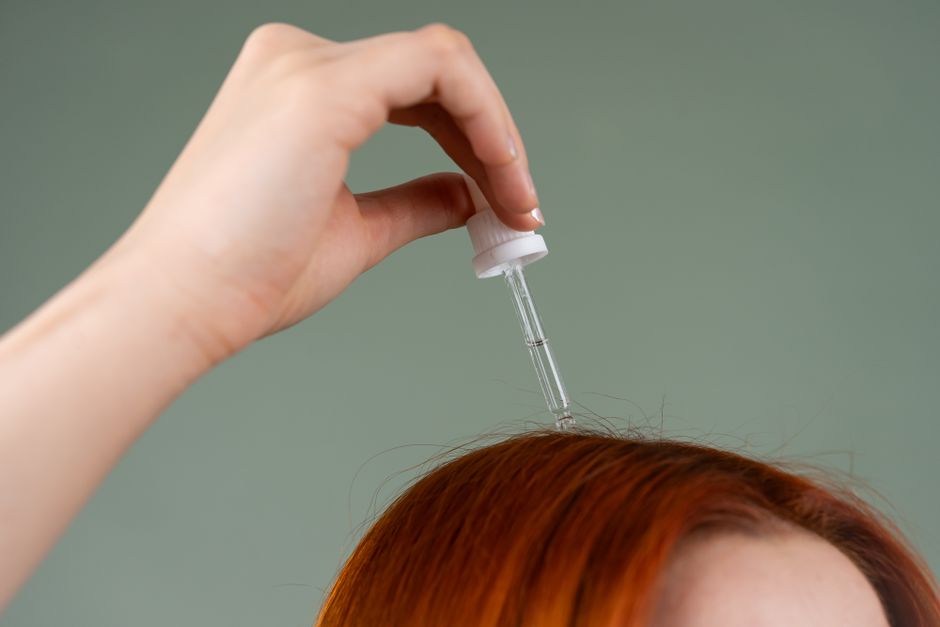
Delta-8 THC does not have a direct, proven link to hair loss. No clinical trial has shown that delta-8 causes balding or thinning hair. But the question is fair, because delta-8 can affect the body in ways that overlap with known hair-loss triggers. The most likely connection is indirect: stress on the body, changes in sleep and appetite, and the legal gray market for these products. If you are losing hair and using delta-8, the two may be related through those pathways rather than through delta-8 attacking your hair follicles.
What Is Delta 8 and How Does It Affect the Body?
Delta-8 tetrahydrocannabinol is a psychoactive compound found in the cannabis plant, usually in small amounts. Most delta-8 products on the market are made by chemically converting CBD from hemp into delta-8 THC. It binds to the same cannabinoid receptors in the brain as delta-9 THC, the main psychoactive compound in marijuana, but with somewhat lower potency.
People report effects similar to marijuana: relaxation, altered mood, increased appetite, and changes in perception. Because it is intoxicating, it can impair coordination and judgment. The 2018 farm bill opened a legal pathway for hemp-derived products, and delta-8 sales grew quickly in states that did not restrict it.
Here is where things get less clear. Delta-8 has not gone through the same safety testing as prescription drugs. Most of what is known comes from user reports, lab analyses of products, and research on delta-9 THC. That matters for any question about long-term effects, including hair.
Does Delta 8 Cause Hair Loss?
There is no established mechanism by which delta-8 directly damages hair follicles, and no human study has shown that it does. That is the honest bottom line.
Hair loss has many well-documented causes, and they are common. Androgenetic alopecia, often called male or female pattern baldness, is driven by genetics and hormones. Telogen effluvium is a temporary shedding condition triggered by physical or emotional stress, illness, surgery, rapid weight loss, or nutritional deficiencies. Alopecia areata is an autoimmune condition. Thyroid disorders, iron deficiency, and certain medications can all cause shedding.
If someone using delta-8 notices thinning hair, the more likely explanation is one of these known causes. That does not mean delta-8 is automatically innocent in every case. It means the evidence does not support blaming it directly, and a doctor would look at other factors first.
Can Delta 8 Trigger Hair Loss Indirectly?
Indirect pathways are where a plausible connection exists. These are not proven for delta-8 specifically, but they rest on well-established hair biology.
Stress and telogen effluvium. Physical or emotional stress can push hair follicles into a resting phase. A few months later, that hair sheds. This is a documented pattern. If delta-8 use causes anxiety, panic, or a bad reaction in some people, that stress could, in theory, contribute to shedding. The key word is theory. No study has measured this with delta-8.
Sleep and appetite disruption. Cannabis products can change sleep patterns and eating habits. Poor sleep and poor nutrition are both associated with hair shedding over time. Again, this is a general pathway, not a delta-8-specific finding.
Contaminants in unregulated products. This is a real concern. Delta-8 is largely unregulated. Independent lab testing has found that some products contain residual solvents, heavy metals, or synthetic byproducts from the conversion process. What those contaminants do to the body over time is not well studied, and no research has tied them to hair loss. But it is a reason for caution with any unregulated product.
None of these pathways has been confirmed in controlled research on delta-8. They are possibilities based on how hair loss generally works, not established facts about this compound.





What Actually Causes Hair Loss?
Understanding the real causes helps put the delta-8 question in context. The list below covers the most common drivers.
- Genetics and hormones: Pattern baldness is the most common cause in both men and women. It runs in families and involves sensitivity to a hormone called DHT.
- Telogen effluvium: Temporary shedding after stress, illness, surgery, childbirth, or rapid weight loss. It usually appears a few months after the trigger.
- Nutritional deficiencies: Low iron, low vitamin D, and inadequate protein intake are linked to shedding.
- Thyroid problems: Both an underactive and overactive thyroid can cause hair loss.
- Medications: Certain drugs for depression, blood pressure, and other conditions list hair loss as a possible side effect.
- Autoimmune conditions: Alopecia areata causes patchy loss when the immune system attacks hair follicles.
- Hair care and styling: Tight hairstyles and harsh chemical treatments can damage follicles over time.
If you are losing hair, a doctor can check thyroid function, iron levels, and other markers. That is far more useful than guessing about a supplement or a cannabis product.
How Can You Tell If Delta 8 Is Involved?
You cannot tell with certainty from symptoms alone. There is no test that links hair loss to delta-8. But a few patterns are worth noting.
If shedding started within a few months of beginning delta-8 use, and you had no other obvious trigger, a doctor might consider it as one factor. If you stopped using delta-8 and shedding continued for months, delta-8 is unlikely to be the main cause. Pattern baldness and thyroid issues do not resolve just because you stop a cannabis product.
The most reliable approach is to track when the shedding started, how much hair you are losing, and any other changes in your health, stress, diet, or medications. Bring that timeline to a doctor. Hair loss is a medical symptom, and it deserves a medical evaluation rather than a self-diagnosis based on a product you happen to use.
Is Delta 8 Safe, and What Are the Risks?
Delta-8 is not risk-free, and the evidence on its long-term safety is limited. That is the accurate position.
Short-term risks include impaired coordination and judgment, anxiety or panic in some users, increased heart rate, and dry mouth. Because it is intoxicating, driving or operating machinery after use is dangerous. There is also a risk of dependence for some people.
For pregnancy and breastfeeding, the guidance is clear: avoid cannabis products, including delta-8. Cannabinoids can pass to a fetus or infant, and the effects are not well understood. No clinical guidelines support delta-8 use during pregnancy or breastfeeding.
Product quality is a separate concern. Because delta-8 is lightly regulated, the label may not match what is in the bottle. Lab testing by independent groups has found mislabeling and contaminants in some products. If you choose to use delta-8, look for products with a certificate of analysis from a third-party lab. That reduces but does not eliminate the risk.
What Should You Do If You Are Losing Hair?
See a doctor. Hair loss has treatable causes, and the earlier you identify them, the more options you have.
A basic evaluation usually includes a review of your medical history, a scalp exam, and blood tests for thyroid function, iron, and sometimes vitamin D. If pattern baldness is the cause, treatments exist, including medications that are FDA-approved for that purpose. If a deficiency or thyroid problem is found, correcting it often helps.
If you suspect delta-8 is playing a role, you can stop using it and see whether shedding changes over the following months. But do not assume that stopping is enough. Keep the doctor’s appointment. Hair loss that continues for more than a few months, or that comes with fatigue, weight changes, or other symptoms, needs a proper workup.
One more point worth making: the absence of evidence that delta-8 causes hair loss is not the same as proof that it is harmless. The research simply has not been done. That is different from saying it is safe, and it is different from saying it is dangerous.
Frequently Asked Questions
Does delta 8 cause hair loss?
No human study has shown that delta-8 directly causes hair loss, and there is no established mechanism for it. Any connection would most likely be indirect, through stress, sleep, or nutrition.
Can delta 8 make your hair fall out?
There is no confirmed evidence that it does. If you notice shedding while using delta-8, common causes like genetics, thyroid problems, iron deficiency, or stress are more likely explanations and should be checked by a doctor.
How long after using delta 8 would hair loss show up?
If delta-8 played any role through a stress pathway, shedding would typically appear a few months later, following the pattern of telogen effluvium. No research has measured this timeline for delta-8 specifically.
Is delta 8 safe to use?
Delta-8 carries real short-term risks, including impaired coordination, anxiety, and increased heart rate, and its long-term safety is not well studied. It should be avoided during pregnancy and breastfeeding.
