
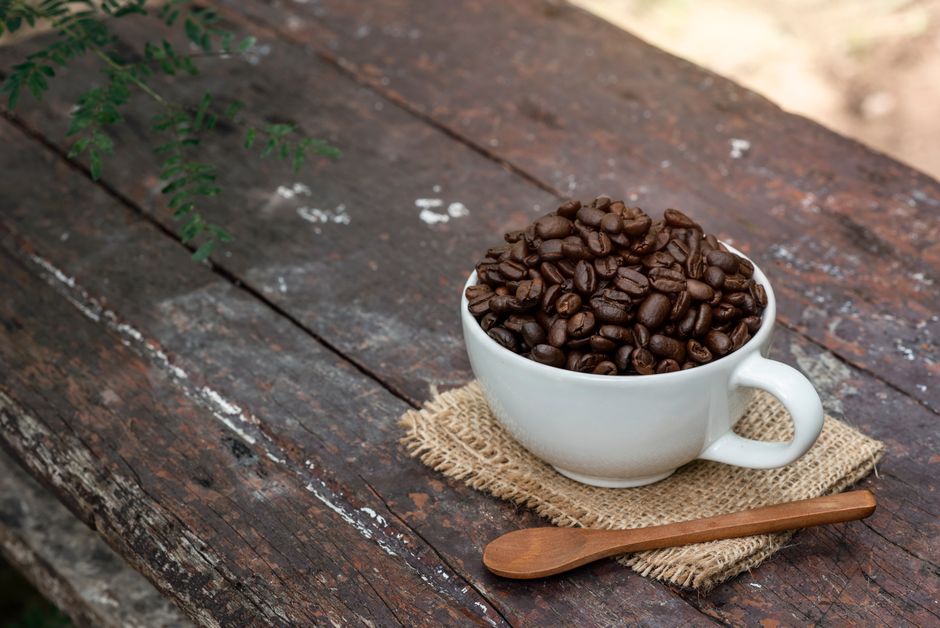
Yes, decaf coffee contains caffeine. The amount is much lower than regular coffee, but it is not zero. Decaffeination removes most of the caffeine from coffee beans, yet a small amount always remains. If you are avoiding caffeine for medical reasons, that difference matters.
Does Decaf Coffee Contain Caffeine?
Decaf coffee does contain caffeine, just far less than regular coffee. Most decaf products end up with a small fraction of the original caffeine content, though the exact amount varies by brand, bean, and brewing method.
There is no single standard for how much caffeine decaf coffee can contain in the United States. The FDA does not set a maximum caffeine limit for decaffeinated coffee. In practice, decaf coffee typically contains somewhere in the range of a few milligrams to roughly 15 milligrams of caffeine per 8-ounce cup, while regular coffee generally contains around 95 milligrams per 8-ounce cup. Those figures come from USDA nutritional data and are widely cited reference values.
The key point: “decaf” means “mostly decaffeinated,” not “caffeine-free.” For most healthy adults, the remaining caffeine is negligible. For someone with a sensitivity or a medical reason to avoid caffeine entirely, it may not be.
How Is Coffee Decaffeinated?
All decaffeination methods share the same basic approach. The beans are soaked or steamed in water to open their pores, then a solvent, gas, or water-based process pulls caffeine out of the bean before roasting.
Several methods are in commercial use:
- Water-based (Swiss Water Process): Beans are soaked in water, and caffeine is removed using carbon filters. No chemical solvents are used.
- Carbon dioxide (CO2) method: Pressurized carbon dioxide acts as the solvent. This method is efficient and is often used at large scale.
- Methylene chloride or ethyl acetate: These organic solvents bind to caffeine and are rinsed away. Both are regulated, and residues in the finished product fall under FDA limits.
None of these methods removes 100% of the caffeine. A small residual amount remains in every case. The method affects flavor and cost more than it affects the final caffeine level, which is typically low regardless of method.
A detail worth knowing: decaffeination usually happens on green (unroasted) beans, before roasting. Roasting does not remove caffeine. So the caffeine that survives decaffeination ends up in your cup.
How Much Caffeine Is in Decaf Coffee Compared to Regular?
Decaf coffee has far less caffeine than regular coffee, but the gap is not always as wide as people assume. The table below shows typical reference values per 8-ounce cup.
| Drink (8 oz) | Typical caffeine |
|---|---|
| Regular brewed coffee | About 95 mg |
| Decaf brewed coffee | Roughly 2–15 mg |
| Espresso (1 oz shot) | About 64 mg |
| Decaf espresso (1 oz shot) | A few mg or less |
| Black tea | About 47 mg |
| Green tea | About 28 mg |
These are general reference figures, not guarantees for a specific product. Actual caffeine content depends on the coffee, the roast, the grind, and how it is brewed. A strongly brewed decaf can land at the higher end of the decaf range.
One practical comparison helps: a cup of decaf often contains less caffeine than a cup of green or black tea. That surprises many people who assume decaf is completely caffeine-free.


Is Decaf Coffee Safe If You Are Limiting Caffeine?
For most people, the caffeine in decaf coffee is too low to cause meaningful effects. But “most people” is not “everyone.”
Some situations call for more caution:
- Pregnancy: Many health authorities advise limiting total caffeine during pregnancy. Decaf coffee can still contribute a small amount, so it counts toward that total. If you are pregnant, talk with your clinician about your overall caffeine intake rather than assuming decaf is zero.
- Caffeine sensitivity: People who are highly sensitive to caffeine may notice mild effects from several cups of decaf, especially if they drink a lot of it.
- Medication interactions: Some medications interact with caffeine. If you have been told to avoid caffeine, confirm with your pharmacist or doctor whether decaf is acceptable for your situation.
- Sleep: For most people, the caffeine in a cup or two of decaf is unlikely to disrupt sleep. Heavy decaf consumption in the evening could matter for very sensitive individuals.
The honest position: for a healthy adult, decaf coffee’s caffeine content is generally not a concern. For anyone with a medical reason to avoid caffeine, it is worth checking, because decaf is not caffeine-free.
Does Decaf Coffee Have Health Benefits?
Coffee — including decaf — contains compounds beyond caffeine, such as chlorogenic acids and other polyphenols. These are the subject of ongoing research.
Some studies suggest that coffee consumption, both regular and decaf, is associated with certain health outcomes. But association is not the same as cause. People who drink coffee differ from those who do not in many ways, and observational studies cannot fully separate coffee from those other factors.
What is reasonable to say: decaf coffee is not a health drink and not a treatment for anything. It is a beverage. The evidence for specific health benefits from decaf is limited, and no large controlled trials have confirmed that drinking decaf produces particular health outcomes.
If you enjoy decaf and tolerate it well, that is a reasonable reason to drink it. Health claims should not be the deciding factor, because the evidence does not support strong claims in either direction.
Does Decaf Coffee Contain Caffeine? What to Remember
Decaf coffee contains caffeine. The amount is small compared to regular coffee, but it is not zero, and it varies by product.
For most healthy adults, this is not something to worry about. For anyone limiting caffeine for medical, pregnancy, or sensitivity reasons, decaf counts toward total intake and should be factored in.
The bottom line is simple: decaf is lower in caffeine, not free of it. If the difference matters for your health, treat decaf as a reduced-caffeine drink rather than a caffeine-free one.
Frequently Asked Questions
Does decaf coffee contain any caffeine at all?
Yes, decaf coffee contains a small amount of caffeine. Decaffeination removes most but not all caffeine from the beans.
How much caffeine is in a cup of decaf coffee?
A typical 8-ounce cup of decaf contains roughly 2 to 15 milligrams of caffeine, compared with about 95 milligrams in regular coffee. The exact amount varies by brand and brewing method.
Is decaf coffee completely caffeine-free?
No, no decaffeination method removes 100% of the caffeine. A small residual amount always remains.
Can I drink decaf coffee while pregnant?
Decaf coffee can contribute a small amount of caffeine to your daily total, so it counts toward any caffeine limit your clinician recommends. Ask your doctor or midwife how decaf fits into your overall intake.
