
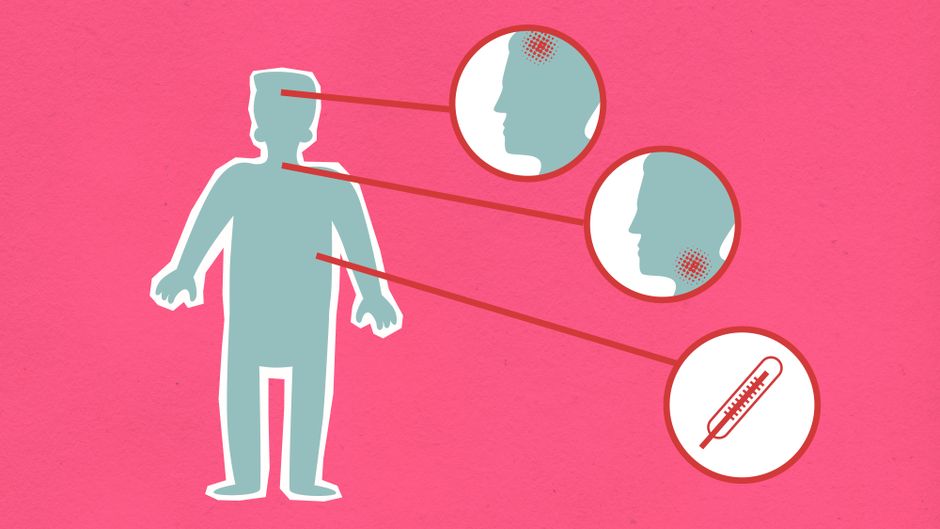
Sore throat is one of the most common symptoms of Covid-19, and it has become more prominent with newer variants of the virus. If your throat feels raw, scratchy, or painful — especially alongside other symptoms like congestion, cough, or fatigue — Covid is a reasonable possibility to consider. But sore throat alone is not proof of Covid, and many other illnesses cause the exact same feeling.
Does Covid Cause Sore Throat?
Yes. Covid-19 can cause a sore throat, and it often does. The virus that causes Covid — SARS-CoV-2 — infects cells lining the nose, mouth, and throat. That infection triggers inflammation in the throat tissues, which produces the pain and irritation you feel when you swallow.
Sore throat has been reported as a symptom since the earliest months of the pandemic. What changed over time is how common it is. As the virus evolved, the symptoms shifted somewhat. Earlier strains were more likely to cause loss of smell, fever, and breathing problems. Later variants — including Delta and Omicron — became more strongly associated with upper airway symptoms like sore throat, runny nose, and headache.
That shift does not mean the virus got milder in every way. It means the symptom pattern changed. Sore throat is now one of the most frequently reported Covid symptoms in people who are vaccinated and in those who are not.
How Does Covid Cause a Sore Throat?
The mechanism is straightforward and well understood. SARS-CoV-2 attaches to a receptor called ACE2, which is found on cells throughout your respiratory tract — including the back of your throat. Once the virus enters those cells, it replicates and triggers an immune response.
That immune response is what actually produces most of the discomfort. Your body releases inflammatory chemicals to fight the infection. Blood flow increases to the area. Tissues swell. Nerve endings in the throat become more sensitive. The result is pain, rawness, and difficulty swallowing.
This is the same basic process that happens with other respiratory viruses like the common cold or influenza. Covid is not unique in how it irritates the throat. What makes it different is the specific virus involved and the range of other symptoms it can cause at the same time.
How Does a Covid Sore Throat Compare to Other Sore Throats?
There is no single feature that reliably distinguishes a Covid sore throat from a sore throat caused by something else. That is an important point, because many people try to self-diagnose based on how the throat feels.
Some reports describe Covid sore throat as starting suddenly and feeling severe in the first day or two. Others describe it as mild and scratchy. The same range exists for colds, flu, and strep throat. How a sore throat feels is not a reliable way to tell what is causing it.
What matters more is the pattern of symptoms around it. Covid often comes with a combination of symptoms that appear together or in sequence. But even that pattern overlaps heavily with other respiratory illnesses.
- Sudden loss of taste or smell strongly suggests Covid, though it is less common with newer variants than it once was.
- A sore throat with fever, body aches, and exhaustion could be flu or Covid.
- A sore throat with mild congestion and no fever could be a common cold or Covid.
- A sore throat with white patches on the tonsils and no cough may point toward strep throat, which requires different treatment.
The only way to know for certain is to test. Home antigen tests and lab-based PCR tests remain the standard tools for identifying Covid infection.




When Should You Test for Covid If You Have a Sore Throat?
Testing is reasonable any time you have symptoms consistent with Covid, especially if you have been around someone who tested positive. The CDC and other public health agencies have consistently recommended testing for people with symptoms.
Timing matters for accuracy. Antigen tests — the kind you use at home — are most likely to detect the virus when you are actually shedding enough of it. If you test very early, before the virus has built up in your system, you can get a false negative. If your first test is negative but your symptoms continue, testing again a day or two later is a common and reasonable approach.
PCR tests are more sensitive and can detect the virus earlier, but they take longer to return results. Rapid antigen tests are less sensitive but give you an answer in minutes.
If you have a sore throat and no other symptoms, testing is still a reasonable step — especially if Covid is spreading in your community or you plan to be around people who are at higher risk.
How Long Does a Covid Sore Throat Last?
For most people with mild illness, a Covid sore throat improves within a few days to about a week. It often peaks in intensity during the first two or three days of symptoms and then gradually fades.
That timeline is general, not fixed. Some people have a sore throat that lingers longer. Others barely notice it. Severity and duration vary based on vaccination status, prior infections, overall health, and which variant is circulating.
A sore throat that lasts longer than expected, gets worse instead of better, or comes with difficulty breathing or swallowing needs medical attention. Those signs are not typical of an uncomplicated Covid sore throat.
What Helps a Covid Sore Throat Feel Better?
The same comfort measures that help any sore throat tend to help a Covid sore throat. These are supportive steps — they ease symptoms but do not treat the virus itself.
- Drink fluids regularly to keep the throat moist.
- Use warm saltwater gargles, which some clinicians recommend for temporary relief, though evidence for how well they work is limited.
- Try honey in warm water or tea. Honey has been studied for cough and throat irritation and shows some benefit in adults and children over age one. It should never be given to infants under 12 months due to the risk of infant botulism.
- Use over-the-counter pain relievers like acetaminophen or ibuprofen if needed. Follow the label directions.
- Run a humidifier or breathe steam from a shower to reduce dryness.
For people at higher risk of severe Covid — including older adults and those with certain underlying conditions — antiviral medications may be appropriate. These are prescription treatments, and they work best when started early in the illness. Whether they are right for you is a decision to make with a healthcare provider.
No home remedy has been shown to cure Covid or shorten the infection. Products marketed as being able to “stop” Covid at the throat have not been confirmed by clinical trials. The evidence does not support those claims.
Can You Have a Sore Throat Without Covid?
Absolutely. Most sore throats are not Covid. The list of other causes is long and includes:
- Common cold viruses, including rhinovirus and adenovirus
- Influenza
- Strep throat, which is bacterial and requires antibiotics if confirmed
- Allergies, which can cause postnasal drip that irritates the throat
- Dry air, especially in winter or in heated indoor spaces
- Acid reflux, which can cause throat irritation without any infection
- Voice strain or yelling
- Smoke, pollution, or chemical irritants
This is why a sore throat by itself is not enough to assume Covid. Context matters — what else you are feeling, who you have been around, and what is spreading in your area.
Does Vaccination Change Whether You Get a Sore Throat With Covid?
Vaccination reduces the risk of severe illness, hospitalization, and death from Covid. That is well established across multiple large studies and real-world data.
Vaccination does not fully prevent infection, and it does not prevent sore throat as a symptom. In fact, some data suggest sore throat is reported more often in vaccinated people who get breakthrough infections, partly because their illness tends to stay in the upper airway rather than moving into the lungs. That is a general pattern, not a rule for every person.
Being vaccinated changes the severity of illness more reliably than it changes the type of symptoms you get.
What Else Should You Watch For?
A sore throat alone is usually not an emergency. But certain symptoms alongside it need prompt medical attention:
- Difficulty breathing or shortness of breath
- Chest pain or pressure that does not go away
- Confusion or trouble staying awake
- Bluish lips or face
- Inability to swallow liquids or keep fluids down
- A sore throat that is severe, one-sided, or getting rapidly worse
These are not typical Covid sore throat symptoms. They suggest something more serious is happening, whether from Covid or another cause.
What Is the Bottom Line?
Covid does cause sore throat, and it is one of the more common symptoms with current variants. But sore throat is not specific to Covid — it overlaps with colds, flu, strep, allergies, and many other conditions.
If you have a sore throat and want to know whether it is Covid, test. If you test negative but symptoms continue, test again. If you are at higher risk for severe illness, talk to a healthcare provider early about whether treatment is appropriate. And if you have warning signs like trouble breathing or swallowing, seek care right away.
Frequently Asked Questions
Is sore throat a common symptom of Covid?
Yes, sore throat is one of the most commonly reported Covid symptoms, especially with newer variants. It often appears alongside congestion, cough, or headache.
How can I tell if my sore throat is Covid or a cold?
You cannot reliably tell the difference based on symptoms alone, because Covid and colds share many of the same symptoms. Testing is the only way to know for certain.
How long does a Covid sore throat usually last?
For most people with mild illness, it improves within a few days to about a week. A sore throat that gets worse or lasts much longer should be evaluated by a healthcare provider.
Should I test for Covid if I only have a sore throat?
Yes, testing is reasonable if you have any Covid symptom, especially if you have been exposed or plan to be around others. If your first test is negative and symptoms continue, testing again a day or two later can help.
