
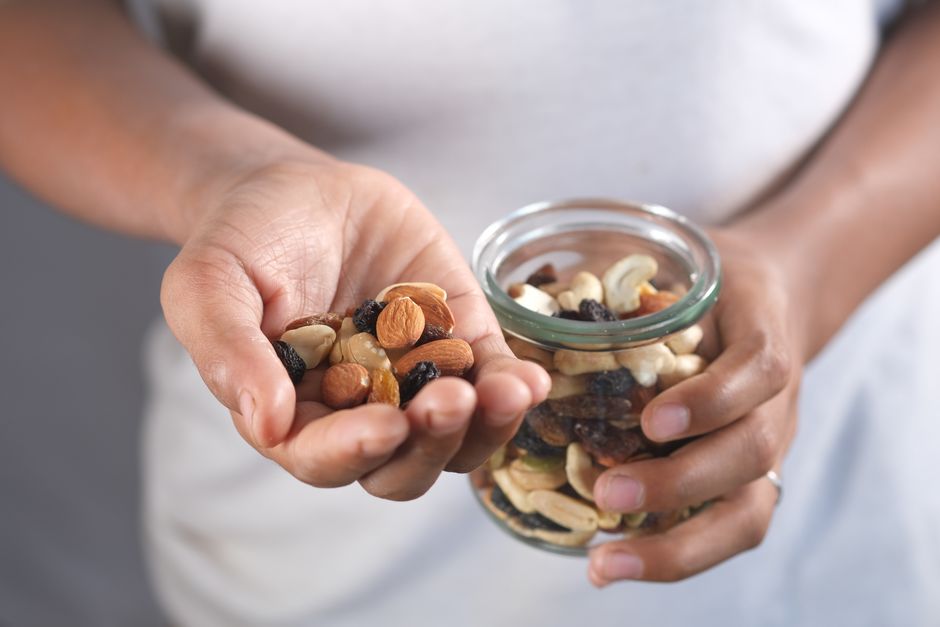
Yes, cashews contain protein. A one-ounce serving of cashews, which is about 18 whole nuts, provides roughly 5 grams of protein. That makes cashews a solid plant-based source of this essential nutrient, though they are not the highest-protein nut available. Almonds and peanuts edge them out slightly, but cashews still make a meaningful contribution to your daily protein intake, especially when paired with other protein-rich foods.
How Much Protein Is in Cashews?
The protein content in cashews is consistent and well-documented. According to USDA nutritional data, a standard one-ounce serving of dry-roasted cashews contains about 4.3 to 5.2 grams of protein, depending on the preparation method. Raw cashews contain a similar amount.
To put that in perspective, a quarter-cup of cashew pieces delivers roughly 5 grams of protein. That is comparable to the protein found in one large egg, which provides about 6 grams. The key difference is that cashews also come with fat and calories, so portion control matters if your goal is weight management.
Here is how cashews compare to other common nuts per one-ounce serving:
- Peanuts: about 7 grams of protein
- Almonds: about 6 grams of protein
- Cashews: about 5 grams of protein
- Walnuts: about 4 grams of protein
- Pecans: about 3 grams of protein
Cashews sit in the middle of the nut protein spectrum. They are a useful protein source, but not the most concentrated one.
Is Cashew Protein a Complete Protein?
No single plant food provides all nine essential amino acids in the ideal proportions your body needs. Cashews are no exception. They are low in the amino acid lysine, which is one of the essential amino acids your body cannot make on its own.
This does not mean cashew protein is low quality. It simply means you should not rely on cashews as your only protein source. Your body can combine amino acids from different foods eaten throughout the day. This is the concept behind complementary proteins.
Eating cashews alongside legumes, whole grains, or dairy products fills the amino acid gaps easily. For example, a handful of cashews added to oatmeal or a bean-based chili provides a more complete amino acid profile than either food alone. Most people eating a varied diet do not need to plan protein combinations carefully. The body pools amino acids from all foods consumed over a day.
What Else Do Cashews Offer Beyond Protein?
Cashews are a nutrient-dense food. Beyond protein, they provide healthy monounsaturated and polyunsaturated fats, which support heart health when they replace saturated fats in the diet. They are also a source of magnesium, copper, zinc, and iron.
Magnesium is particularly notable. A one-ounce serving of cashews provides about 74 milligrams of magnesium, which is roughly 18 percent of the daily value. Magnesium supports muscle and nerve function, blood sugar control, and bone health. Copper, another mineral found in cashews, plays a role in energy production and iron metabolism.
Cashews also contain antioxidants like polyphenols. Some research suggests these compounds may help reduce oxidative stress in the body. The evidence here is preliminary, and the practical impact of these antioxidants from a modest serving of nuts is not fully established.




Are Cashews a Good Protein Source for Vegetarians and Vegans?
Cashews can be part of a plant-based protein strategy, but they should not be the foundation of it. Vegetarians and vegans need roughly 0.8 grams of protein per kilogram of body weight per day, according to general dietary guidelines. That translates to about 46 grams for an average woman and 56 grams for an average man.
To meet that target with cashews alone, you would need to eat nearly 10 ounces of cashews per day. That would deliver well over 1,500 calories, most of them from fat. This is not realistic or healthy. Plant-based eaters are better served by combining cashews with higher-protein foods like lentils, chickpeas, tofu, tempeh, and quinoa.
Cashew butter and cashew milk are popular alternatives, but their protein content differs significantly. Two tablespoons of cashew butter contain about 5 grams of protein. One cup of commercial cashew milk typically contains only 1 gram of protein, because the nuts are heavily diluted with water. If you choose cashew milk for protein, check the label. Some brands fortify their products with added protein.
Do Roasted Cashews Lose Protein?
Roasting does not significantly change the protein content of cashews. The heat used in roasting affects fats and some vitamins, but protein molecules remain largely intact. Dry-roasted and oil-roasted cashews both contain about the same amount of protein as raw cashews.
What changes is the fat and calorie profile. Oil-roasted cashews absorb additional oil, adding calories. Salted cashews add sodium. If you are watching your blood pressure or sodium intake, choose unsalted or lightly salted varieties. Honey-roasted and candied cashews contain added sugar, which increases calories without adding nutritional value.
The healthiest choice is generally raw or dry-roasted, unsalted cashews. The protein benefit is identical across all forms, but the added ingredients can affect overall health value.
How Can You Add Cashews to Your Diet?
Cashews are versatile and easy to incorporate into meals. Their mild, slightly sweet flavor works in both savory and sweet dishes. Here are some practical ways to add them:
- Sprinkle chopped cashews over salads or stir-fries for crunch
- Blend raw cashews with water to make a creamy dairy-free sauce
- Add cashew butter to smoothies for extra protein and creaminess
- Use crushed cashews as a coating for baked chicken or fish
- Mix cashews into homemade trail mix with dried fruit and seeds
Portion control is the main consideration. A serving is one ounce, or about a small handful. Cashews are calorie-dense, and it is easy to eat several servings without noticing. If you are tracking calories, measure your portions rather than eating directly from the bag.
Are There Any Downsides to Eating Cashews?
Cashews are safe for most people, but a few considerations apply. People with tree nut allergies must avoid cashews entirely. Cashew allergy can be severe and may cause anaphylaxis, a life-threatening reaction. If you have a known tree nut allergy, do not eat cashews.
Cashews contain oxalates, naturally occurring compounds that can contribute to kidney stone formation in susceptible people. If you have a history of calcium oxalate kidney stones, talk to your doctor about whether cashews fit into your diet. The evidence linking dietary oxalates to kidney stones is mixed, but caution is reasonable for those at risk.
Raw cashews in their shell are not safe to eat. The shell contains urushiol, the same compound found in poison ivy, which can cause skin irritation and allergic reactions. The cashews sold in stores have been heat-processed to remove this compound and are safe to eat.
Does Cashew Contain Protein? The Bottom Line
Cashews contain about 5 grams of protein per one-ounce serving. That makes them a moderate protein source among nuts, useful for supplementing your daily intake but not sufficient as a primary protein source. They are best understood as a nutrient-dense food that contributes protein, healthy fats, and important minerals to a balanced diet.
If your goal is to increase protein intake, pair cashews with legumes, whole grains, or animal products. If your goal is simply to eat a healthy snack, cashews are an excellent choice in moderation. The evidence supports their role in heart-healthy eating patterns, and their protein content is a real but modest benefit.
Frequently Asked Questions
How many cashews should I eat per day for protein?
A one-ounce serving, about 18 cashews, provides roughly 5 grams of protein. Eating more than that adds significant calories, so stick to one serving unless you are balancing it into your total daily calorie needs.
Are cashews a better protein source than almonds?
No. Almonds contain about 6 grams of protein per ounce, slightly more than cashews. Both are healthy choices, but almonds edge out cashews specifically on protein content.
Can I get enough protein from cashews alone?
No. You would need to eat over 1,500 calories worth of cashews daily to meet basic protein needs, which is impractical and unhealthy. Cashews work best as part of a varied protein strategy.
Does cashew butter have the same protein as whole cashews?
Yes, roughly. Two tablespoons of cashew butter contain about 5 grams of protein, similar to a one-ounce serving of whole cashews. Check labels, because some commercial products add sugar or oil.
