
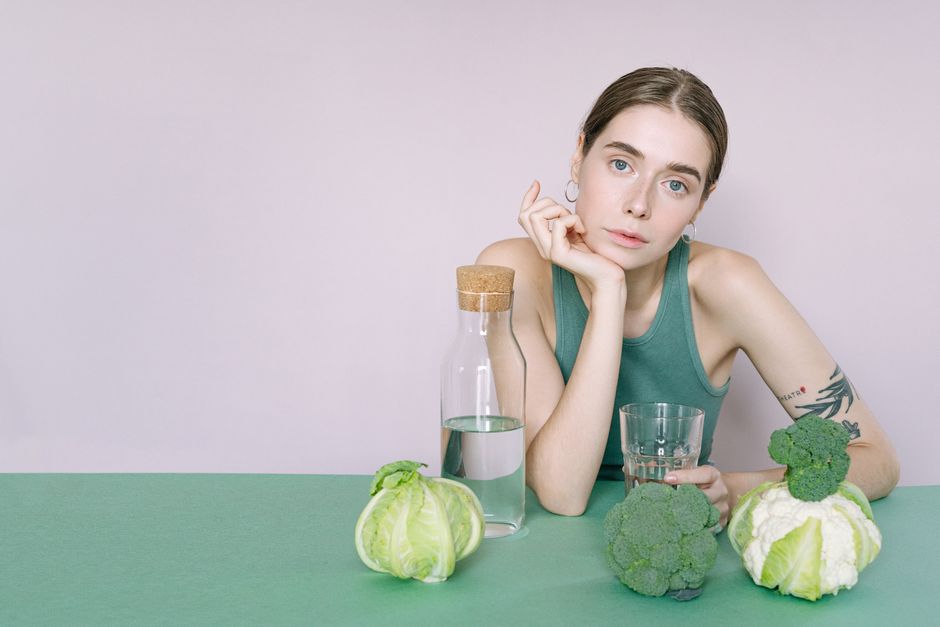
Cabbage is a leafy green vegetable that often appears on lists of iron-rich foods. The short answer is yes, cabbage contains iron, but the amount is modest compared to red meat or fortified cereals. A cup of cooked cabbage provides about 0.5 milligrams of iron, which is roughly 3% of the daily value for most adults. The more important question is how that iron works in your body and whether cabbage can meaningfully help prevent or treat iron deficiency.
How Much Iron Is Actually in Cabbage?
The iron content in cabbage depends on the variety and how it is prepared. Raw cabbage contains slightly less iron per serving than cooked cabbage, simply because cooking removes water and concentrates the nutrients. A cup of cooked green cabbage delivers around 0.5 milligrams of iron. Red cabbage is similar, with slightly higher amounts in some analyses. Savoy cabbage and napa cabbage contain comparable levels.
For context, an adult man needs about 8 milligrams of iron per day. An adult woman aged 19 to 50 needs about 18 milligrams per day due to menstrual losses. After menopause, a woman’s requirement drops to 8 milligrams. These numbers come from the National Institutes of Health Office of Dietary Supplements.
To get the same iron as a 3-ounce serving of beef, you would need to eat roughly ten cups of cooked cabbage. That is not practical for most people. Cabbage is a useful contributor to overall iron intake, but it is not a primary treatment for iron deficiency on its own.
Types of Iron in Cabbage and How Your Body Uses It
There are two forms of iron in food: heme and non-heme. Heme iron comes from animal sources like meat, poultry, and fish. Your body absorbs heme iron efficiently, typically at rates of 15% to 35%. Non-heme iron comes from plants, including cabbage, and is absorbed much less efficiently, usually at rates of 2% to 20%.
Cabbage contains only non-heme iron. This does not mean plant iron is useless. It means you need to pay attention to what you eat alongside cabbage to improve absorption.
Vitamin C is the most reliable enhancer of non-heme iron absorption. It can increase absorption by several fold when consumed in the same meal. Cabbage naturally contains vitamin C, which is a helpful coincidence. A cup of cooked cabbage provides about 30 milligrams of vitamin C, roughly one-third of the daily recommendation.
Pairing cabbage with other vitamin C sources, like citrus fruits, tomatoes, or bell peppers, can improve how much iron you actually absorb. Cooking cabbage in an acidic medium, such as tomato sauce, has a similar effect.
What Blocks Iron Absorption From Cabbage?
Several compounds in plant foods interfere with non-heme iron absorption. Cabbage contains some of these, though less than many other vegetables.
Phytates are found in beans, grains, and nuts. They bind to iron and reduce absorption. Cabbage contains only trace amounts of phytates, so this is not a major concern for cabbage eaters.
Oxalates are another iron blocker found in spinach, Swiss chard, and beet greens. Cabbage is low in oxalates. This is one reason cabbage is actually a better source of absorbable iron than spinach, despite spinach having more total iron.
Tannins in tea and coffee can reduce iron absorption by up to 60% when consumed with a meal. If you drink tea or coffee with your cabbage dish, the iron you absorb will be lower. This does not mean you must avoid tea and coffee entirely. It simply means timing matters if you are trying to maximize iron intake.
Calcium also competes with iron for absorption. Dairy products consumed in the same meal as cabbage can reduce iron uptake. Again, this is about meal composition, not about avoiding dairy altogether.



Does Cooking Method Change the Iron Content?
Cooking does not destroy iron. Iron is a mineral, and minerals are stable at normal cooking temperatures. What changes is the concentration and the availability.
Boiling cabbage in large amounts of water can leach some minerals into the cooking water. If you discard the water, you lose some iron. Steaming or stir-frying keeps more of the minerals in the vegetable itself. The difference is small, but it is real.
Fermentation is a different story. Fermented cabbage, like sauerkraut and kimchi, may have improved mineral availability. The fermentation process breaks down some of the compounds that block mineral absorption. Some research suggests fermented vegetables allow better absorption of their minerals than raw or cooked versions. The evidence is not definitive, but it is a reasonable consideration if you enjoy these foods.
Cooking cabbage with a small amount of meat or fish can also improve iron absorption. The heme iron in meat enhances the absorption of non-heme iron from vegetables consumed in the same meal. This is called the meat factor, and it is well documented in nutrition research.
Can Cabbage Help Treat Iron Deficiency?
Iron deficiency anemia is a serious condition. It causes fatigue, weakness, pale skin, shortness of breath, and difficulty concentrating. It is diagnosed through blood tests that measure hemoglobin, ferritin, and other markers.
Cabbage alone cannot correct iron deficiency anemia. The iron content is too low, and the absorption rate is too variable. If you have been diagnosed with iron deficiency, the standard treatment is iron supplementation under medical supervision. Oral iron supplements provide 65 milligrams of elemental iron or more per dose, which is over a hundred times the iron in a serving of cabbage.
That said, cabbage can be part of a broader strategy to maintain healthy iron levels after treatment. Eating cabbage alongside other iron-rich plant foods, vitamin C sources, and occasional meat or fish can support adequate intake over time. It is a maintenance food, not a treatment food.
If you suspect you have iron deficiency, see a doctor for a blood test. Self-treating with cabbage or any single food is not appropriate. Iron deficiency has multiple causes, including blood loss, malabsorption, and dietary patterns. A healthcare provider can identify the cause and recommend the right treatment.
Other Nutrients in Cabbage That Matter for Blood Health
Iron is not the only nutrient involved in healthy blood. Cabbage provides several others that support red blood cell production and function.
Vitamin C, as mentioned, enhances iron absorption and is also needed for collagen production, which supports blood vessel health. Cabbage also contains folate, a B vitamin that is essential for red blood cell formation. A cup of cooked cabbage provides about 10% of the daily value for folate.
Vitamin K is abundant in cabbage. A cup of cooked cabbage provides more than 60% of the daily value. Vitamin K is necessary for blood clotting. While it does not directly affect iron levels, it is part of the overall picture of blood health.
Cabbage is also a source of fiber, which supports digestive health. A healthy digestive tract absorbs nutrients more efficiently. This is a general benefit rather than a specific mechanism for iron absorption.
Practical Ways to Get More Iron From Cabbage
If you want to maximize the iron you get from cabbage, focus on how you prepare and pair it.
Steam or stir-fry cabbage rather than boiling it in large amounts of water. This preserves the mineral content. Add a squeeze of lemon juice or a splash of vinegar after cooking. The acid improves non-heme iron absorption.
Combine cabbage with other iron-rich plant foods. Lentils, chickpeas, and beans are excellent partners. A cabbage and lentil soup is a genuinely iron-conscious meal. Add tomatoes to the pot for vitamin C and acidity.
If you eat meat, include small amounts with your cabbage dishes. Even a small serving of beef, chicken, or fish can boost the absorption of the non-heme iron in cabbage. This is a practical strategy, not a strict rule.
Eat fermented cabbage products like sauerkraut or kimchi if you enjoy them. They provide probiotics and may offer better mineral availability. Rinse canned sauerkraut to reduce sodium before eating.
Avoid drinking tea or coffee within an hour of your cabbage meals if you are trying to maximize iron absorption. This is a simple timing adjustment that can meaningfully change how much iron you absorb.
Frequently Asked Questions
Is cabbage a good source of iron?
Cabbage contains iron, but the amount is modest at about 0.5 milligrams per cooked cup. It is a useful contributor to daily intake, not a primary source.
Which has more iron, cabbage or spinach?
Spinach has more total iron than cabbage, but it also contains high levels of oxalates that block absorption. Cabbage may provide more absorbable iron despite having less total iron.
Does cooking cabbage destroy its iron?
No. Iron is a mineral and remains stable during cooking. Boiling in large amounts of water can leach some minerals into the water, so steaming or stir-frying preserves more.
What helps your body absorb iron from cabbage?
Vitamin C is the strongest enhancer of non-heme iron absorption. Eating cabbage with citrus, tomatoes, or bell peppers improves absorption, as does pairing it with meat or fish.
