
Bulgur is a whole wheat product, and wheat contains gluten. So yes, bulgur has gluten. If you have celiac disease or a gluten sensitivity, you need to avoid it completely. This article explains exactly what bulgur is, how much gluten it contains, and what safe alternatives you can use instead.
What Exactly Is Bulgur?
Bulgur is a staple grain made from cracked wheat kernels. The wheat berries are parboiled, dried, and then ground into different sizes. It is a common ingredient in Middle Eastern and Mediterranean cooking, most famously in tabbouleh salad and pilafs.
Because it is parboiled, bulgur cooks much faster than regular whole wheat berries. It has a nutty flavor and a chewy texture. Nutritionally, it is a whole grain, meaning it contains the bran, germ, and endosperm of the wheat kernel.
The key point is that bulgur is made from wheat. It is not a separate grain. It is wheat that has been processed into a different form.
Does Bulgur Have Gluten? The Direct Answer
Yes, bulgur contains gluten. Gluten is the storage protein found in wheat, barley, and rye. Since bulgur is made from whole wheat, it contains the same gluten proteins as any other wheat product, such as bread or pasta.
The gluten content is not reduced by the parboiling or cracking process. Processing wheat into bulgur does not change its protein structure. The gluten proteins remain intact and active.
For people with celiac disease, even small amounts of gluten can trigger an autoimmune response. Bulgur is not safe for a gluten-free diet. It should also be avoided by anyone with a diagnosed wheat allergy or non-celiac gluten sensitivity.
How Much Gluten Is in Bulgur Compared to Other Foods?
Bulgur contains a significant amount of gluten. As a concentrated wheat product, its gluten content is comparable to other whole wheat foods like whole wheat bread or whole wheat pasta.
Gluten makes up roughly 75 to 80 percent of the protein in wheat. A serving of cooked bulgur contains about 5 to 6 grams of protein, and most of that protein is gluten. This is not a trace amount.
There is no gluten-free variety of bulgur. Some companies sell “gluten-free bulgur,” but this is a misleading label. Those products are typically made from other grains like millet or sorghum that are shaped to look like bulgur. They are not actually bulgur.





Why People Confuse Bulgur with Gluten-Free Grains
Bulgur is often grouped with other ancient grains like quinoa, millet, and amaranth. Those grains are naturally gluten-free. This grouping leads some people to assume bulgur is also safe.
Another source of confusion is that bulgur is sometimes called “cracked wheat.” Cracked wheat is simply wheat berries that have been broken into pieces. It is not the same as bulgur, but both are wheat. Both contain gluten.
Some people also confuse bulgur with buckwheat. Despite the name, buckwheat is not related to wheat. Buckwheat is a gluten-free seed. The names are similar, but the two foods are completely different.
If you are following a gluten-free diet, you cannot rely on the appearance or texture of a grain to tell whether it is safe. You must check the ingredient label. Any product that lists bulgur, wheat, or cracked wheat as an ingredient contains gluten.
What Are the Symptoms of Gluten Exposure for Sensitive People?
If you have celiac disease and accidentally eat bulgur, symptoms can appear within hours or days. Common symptoms include abdominal pain, bloating, diarrhea, fatigue, and nausea. Some people experience headaches or brain fog.
For people with non-celiac gluten sensitivity, symptoms are similar but do not involve the intestinal damage seen in celiac disease. Bloating, gas, and digestive discomfort are the most common complaints.
The severity of symptoms varies widely from person to person. Some people react to very small amounts of gluten, while others tolerate slightly larger amounts. There is no reliable way to predict how your body will respond.
If you have celiac disease, repeated exposure to gluten increases the risk of long-term complications. These can include nutrient deficiencies, osteoporosis, and intestinal damage. Strict avoidance is the only treatment.
Safe Gluten-Free Alternatives to Bulgur
If you need a bulgur substitute, several gluten-free grains provide a similar texture and can be used in the same recipes.
- Quinoa is a complete protein and cooks in about 15 minutes. It has a slightly fluffy texture that works well in salads.
- Brown rice is widely available and neutral in flavor. It works in pilafs and grain bowls.
- Millet is a small, mild-flavored grain that cooks quickly. It is a good choice for breakfast porridge or side dishes.
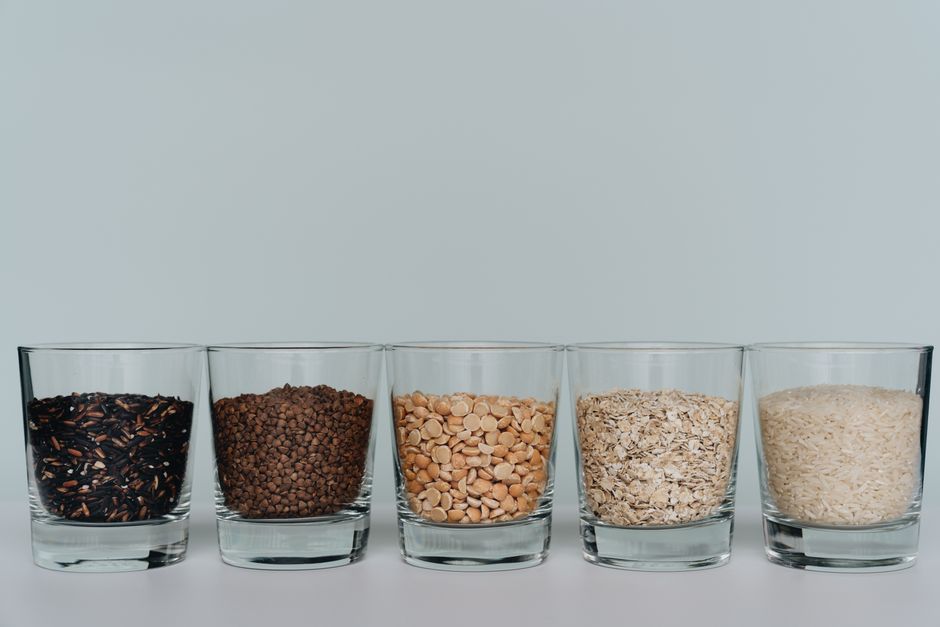
- Buckwheat groats are not wheat. They have a robust, earthy flavor and hold their shape well in salads.
- Cauliflower rice is a low-carb option that mimics the texture of fine bulgur in tabbouleh.
When substituting, consider the cooking time and water ratio. Quinoa and millet cook faster than brown rice. You may need to adjust the liquid in your recipe.
For tabbouleh specifically, many people prefer quinoa or finely chopped cauliflower. Both absorb the lemon and herb dressing well and provide a similar mouthfeel to bulgur.
How to Check Food Labels for Hidden Gluten
Reading labels carefully is essential for anyone on a gluten-free diet. In the United States, the Food and Drug Administration requires that foods labeled “gluten-free” contain less than 20 parts per million of gluten. This threshold is considered safe for most people with celiac disease.
However, the “gluten-free” claim is voluntary. Some products that do not carry the label are still safe. You need to read the ingredient list.
Look for any form of wheat, including bulgur, durum, semolina, spelt, farro, and graham. Barley and rye are also sources of gluten. Malt, which is made from barley, is another ingredient to avoid.
If a product label does not list gluten-containing ingredients and does not have a “gluten-free” claim, it may still be at risk for cross-contamination. This is especially true for oats and grains processed in shared facilities. When in doubt, choose a product with a certified gluten-free label.
Is Bulgur Healthy for People Who Can Eat Gluten?
For people without gluten-related disorders, bulgur is a nutritious whole grain. It is high in fiber, B vitamins, and minerals like magnesium and iron. A half-cup serving of cooked bulgur provides about 4 grams of fiber.
Bulgur has a low glycemic index compared to white rice or refined bread. This means it causes a slower rise in blood sugar. This makes it a reasonable choice for people managing blood sugar levels.
The fiber in bulgur supports digestive health and helps with satiety. It can be part of a balanced diet that includes a variety of whole grains.
There is no reason for people without gluten sensitivity to avoid bulgur. The gluten protein is only a problem for those with an immune reaction to it. For everyone else, it is a healthy and versatile grain.
What If You Accidentally Ate Bulgur?
If you have celiac disease and accidentally eat bulgur, do not panic. One exposure is unlikely to cause permanent harm, but it can cause uncomfortable symptoms. Drink plenty of water and rest.
Over-the-counter digestive aids may help with bloating and discomfort, but they do not stop the immune response. There is no medication that can prevent the reaction once gluten has been consumed.
Symptoms typically resolve within a few days as the gluten passes through your system. If you experience severe dehydration, persistent vomiting, or intense pain, contact a healthcare provider.
For people with non-celiac gluten sensitivity, symptoms usually resolve within 24 to 48 hours. The best strategy is to return to your gluten-free diet and allow your body to recover.
Frequently Asked Questions
Is bulgur wheat gluten-free?
No. Bulgur is made from wheat and contains gluten. It is not safe for a gluten-free diet.
Can I eat bulgur if I have celiac disease?
No. Even small amounts of bulgur can trigger an autoimmune reaction in people with celiac disease. You should avoid it completely.
What is a good gluten-free substitute for bulgur?
Quinoa, millet, brown rice, and buckwheat groats are all gluten-free alternatives. Finely chopped cauliflower also works well in salads like tabbouleh.
Does cooking bulgur remove the gluten?
No. Cooking does not break down or remove gluten proteins. Boiling bulgur does not make it safe for people with gluten sensitivity.
