
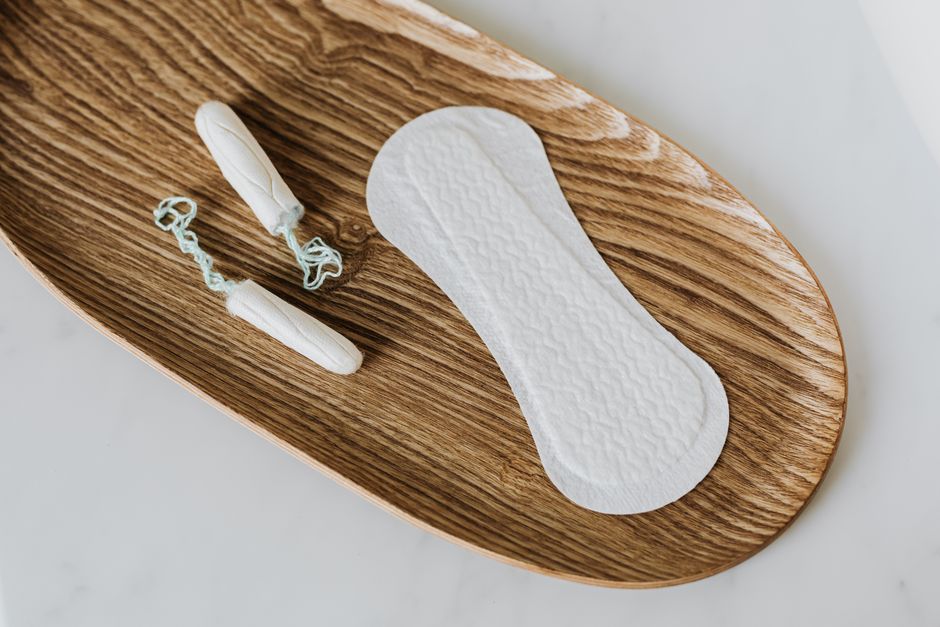
Yes, you can wear a tampon to bed. There is no rule against it. Tampons are not dangerous simply because you are asleep. What matters is how long you leave one in, not whether you are standing or lying down.
That said, “you can” is not the same as “it is always the best choice.” Some situations call for a different product or a different plan. This article explains what is well established about overnight tampon use, what the actual risks are, and when a pad or period underwear may be the better option.
Can You Wear A Tampon To Bed?
Yes. Sleeping with a tampon in place is a normal, common practice. Manufacturers design tampons to be worn for up to eight hours, and a full night’s sleep usually fits inside that window.
The concern people raise is toxic shock syndrome, or TSS. That is a real and serious condition, but it is rare, and the risk is tied mostly to leaving a tampon in too long, using higher absorbency than you need, or both. Sleeping itself does not create the risk.
If you go to bed at 11 p.m. and wake at 7 a.m., that is eight hours. That sits at the upper end of the recommended range, not beyond it. If you tend to sleep longer than eight hours, or you lose track of time, a pad or period underwear removes the timing question entirely.
How Long Can You Leave A Tampon In Overnight?
Eight hours is the standard limit. This figure comes from tampon manufacturers and public health guidance, and it applies to all tampons regardless of brand or absorbency.
The eight-hour limit is not arbitrary. It is a practical ceiling built around the known link between longer wear time and TSS risk. Sticking to it matters more than any other single habit.
A few things help you stay inside that window:
- Insert a fresh tampon right before bed, not hours earlier.
- Set an alarm if you regularly sleep past eight hours.
- Choose the lowest absorbency that controls your flow for a few hours.
- If your flow is heavy, consider a pad overnight and save the tampon for daytime.
If you wake up and realize a tampon has been in longer than eight hours, remove it, and do not panic. One longer stretch does not mean something will go wrong. Watch for symptoms over the next day or two and mention it to a clinician if you feel unwell.
What Is Toxic Shock Syndrome And How Common Is It?
Toxic shock syndrome is a rare but serious illness caused by bacterial toxins, most often from Staphylococcus aureus. It can affect multiple organ systems and requires emergency medical care.
The link between TSS and tampons was identified in the early 1980s. Cases dropped sharply after manufacturers changed tampon materials and regulators required clearer absorbency labeling and warning language. TSS is now uncommon, and tampon-associated cases are a small share of all cases.
Some important context that often gets lost:
- TSS is not caused by a tampon itself. It is caused by toxin-producing bacteria.
- These bacteria can be present in the vagina without causing any illness.
- Higher-absorbency tampons are associated with higher risk than lower-absorbency ones.
- Leaving a tampon in longer than recommended raises risk.
- TSS can also occur in people who do not use tampons, including men and children, usually after surgery or a skin infection.
Warning signs include sudden high fever, vomiting, diarrhea, a sunburn-like rash, muscle aches, and feeling faint or confused. These symptoms warrant emergency care, not a wait-and-see approach. Early treatment matters.





Does Sleeping Position Or Gravity Affect Tampon Safety?
No. Sleeping position and gravity do not change how a tampon behaves inside the vagina.
A tampon sits in the vaginal canal and stays in place through muscle tone in the pelvic floor. Lying down, rolling over, or sleeping on your stomach does not push it deeper in a way that causes harm. The vagina is a closed-ended canal, so a tampon cannot travel into the body.
What people sometimes notice is a tampon that feels different in the morning, or one that has shifted slightly. That is normal and not a safety issue. If a tampon feels uncomfortable, it may be inserted too low, and removing and reinserting it usually solves the problem.
Is It Better To Use A Pad Overnight Instead?
Neither option is medically superior for everyone. The better choice depends on your flow, your sleep habits, and how your body responds to tampons.
| Option | Wear Time | Considerations |
|---|---|---|
| Tampon | Up to 8 hours | Requires tracking time; carries TSS risk if left in too long |
| Pad | Can be worn longer overnight | No TSS risk; may shift or leak with heavy flow |
| Period underwear | Several hours, varies by absorbency | No internal product; capacity varies by brand and style |
| Menstrual cup | Up to 12 hours per manufacturer instructions | Reusable; requires comfort with insertion and removal |
A pad or period underwear removes the timing concern completely. If you sleep long hours, take sedating medication, or simply do not want to think about a clock, that is a reasonable reason to switch at night.
Many people use a tampon during the day and a pad at night. That is a common and sensible pattern, not a sign that tampons are unsafe.
What Raises Your Risk Of TSS?
The strongest known risk factors for tampon-associated TSS are leaving a tampon in too long and using a higher absorbency than your flow requires.
Other factors that have been associated with increased risk include using tampons continuously through your period without a break, inserting a tampon when the vagina is dry or irritated, and having had TSS before. A previous episode of TSS is a reason to avoid tampons entirely unless a clinician advises otherwise.
Some people are more susceptible because they do not have antibodies to the toxin the bacteria produce. That is not something you can test for at home or feel coming on.
Signs that a tampon is causing irritation rather than infection include dryness, discomfort on insertion, and minor spotting. These are not TSS, but they are a signal to use a lower absorbency or switch products for a while.
How To Use Tampons Safely Overnight
Safe overnight use comes down to a few habits that are easy to build into a routine.
- Change your tampon every four to eight hours, and never leave one in longer than eight.
- Use the lowest absorbency that works for your flow.
- Alternate tampons with pads or period underwear across your cycle.
- Wash your hands before and after insertion and removal.
- Never insert more than one tampon at a time.
- Remove the last tampon of your period before it ends.
- Store tampons in a dry place and check for damage before use.
One point worth clarifying: the “eight hours” figure applies to a single tampon, not to a total for the night. If you wake during the night, you can change it. If you sleep straight through, one tampon for that stretch is within guidance.
If you have ever been diagnosed with TSS, or you have a condition affecting vaginal or immune health, talk to a clinician about whether tampons are appropriate for you. That is a conversation to have with someone who knows your history, not something to sort out from a general article.
Frequently Asked Questions
Can you wear a tampon to bed for 8 hours?
Yes, eight hours is the maximum recommended wear time for a single tampon, and it applies overnight as well as during the day. If you regularly sleep longer than eight hours, a pad or period underwear is a simpler option.
What happens if you sleep with a tampon for more than 8 hours?
Going over the limit once does not mean you will get sick, but longer wear time is linked to a higher risk of toxic shock syndrome. Remove the tampon as soon as you notice, and seek medical care if you develop fever, vomiting, a rash, or feel faint.
Is it safe to sleep with a tampon if you have a heavy flow?
It can be, but heavy flow often means you need a higher absorbency, which is associated with greater TSS risk. Many clinicians suggest using a pad or period underwear overnight during your heaviest days instead.
Can a tampon get lost inside you while you sleep?
No. The vagina is a closed canal, so a tampon cannot travel into your body. If you cannot feel or reach the string, a clinician can remove it.
