
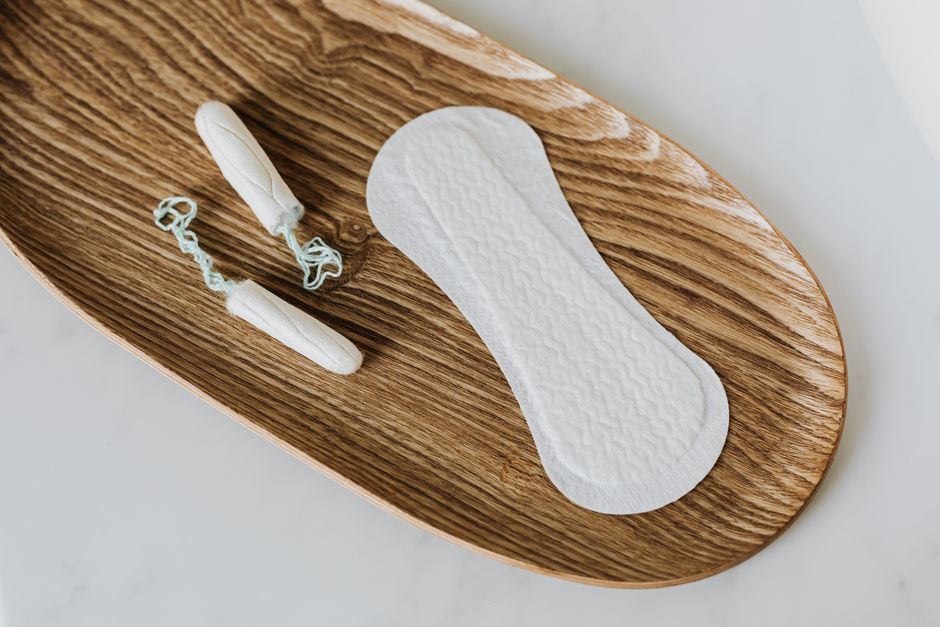
You should not flush a tampon. Tampons do not break down the way toilet paper does, and flushing them is one of the most common causes of household plumbing clogs and municipal sewer blockages. The wrapper, the applicator, and the tampon itself all belong in the trash, not the toilet.
This is not a matter of opinion or a rule that varies by plumbing system. It is a straightforward fact about how these products are made and how wastewater systems work. Here is what is actually happening when a tampon goes down the drain.
Can You Flush A Tampon Down The Toilet?
No. A tampon should never go down a toilet, even if you flush immediately and even if it disappears from view.
Tampons are designed to absorb liquid and hold their shape. That is the whole point of them. When one enters a toilet bowl, it starts absorbing water and swelling rather than dissolving. Toilet paper is engineered to break apart within seconds of getting wet. A tampon is engineered to do the opposite.
The fact that it vanishes when you flush tells you nothing about where it went. It only means the water carried it out of the bowl and into the pipe. What happens next depends on the pipe, the water volume, and what else is already in there.
Some tampon packaging carries a flushable claim. Treat those labels with skepticism. A product being labeled flushable does not mean it breaks down in a sewer system. Independent testing has repeatedly found that many products marketed this way do not disperse the way toilet paper does. There is no widely enforced standard that requires a product to actually biodegrade before it can carry that word on the box.
What Happens When A Tampon Goes Down The Drain?
Once inside a drain line, a tampon becomes a physical obstruction that tends to grow rather than shrink.
It absorbs water and expands. Then it catches on rough spots, tree roots that have entered older pipes, or existing buildup of grease and hair. Other material flowing past gets snagged on it. The blockage builds.
In a home, the first sign is usually a toilet that drains slowly or backs up. Sometimes the clog forms further down the line, so the toilet that received the tampon seems fine while a different fixture starts backing up. That is why people are often confused about the source.
In a municipal system, the problem scales up. Tampons, wet wipes, paper towels, dental floss, and grease combine into large masses that can block main sewer lines. These masses have to be removed by hand or with heavy equipment. The costs are real and they get passed on to ratepayers.
There is a second problem that gets less attention. Even a tampon that makes it all the way to a wastewater treatment plant does not simply disappear. Treatment plants are built to handle human waste and toilet paper. They use screens and settling processes that are not designed for a swollen, intact absorbent product. Items that do not break down have to be screened out and hauled to a landfill anyway. So the tampon ends up in the trash one way or another, just after causing more trouble and expense along the route.
Do Flushable Tampons Or Applicators Exist?
Tampon applicators are a separate question from tampons, and the answer is the same: they do not belong in the toilet.
Plastic applicators are the most common type sold in the United States. They do not break down. Cardboard applicators are sometimes described as flushable, and they will soften in water, but they still do not disperse reliably the way toilet paper does. They can contribute to clogs, particularly in low-flow toilets and older pipes.
Some brands market biodegradable or flushable tampons. The word on the label is doing more work than the product can support. A material can eventually break down in a landfill or a compost environment and still cause a blockage in a pipe over the hours or days it takes to travel through a sewer system. Biodegradable and flushable are not the same claim, even though they are often printed next to each other.
The honest position: no tampon product currently on the market has been shown to break down fast enough to be reliably safe for plumbing and sewer systems. Put all of it in the trash.
What Should You Do With A Used Tampon Instead?
Wrap it and put it in the trash. That is the whole instruction.
- Wrap the used tampon in toilet paper or its own wrapper.
- Place it in the bathroom wastebasket.
- Put the applicator in the trash too, plastic or cardboard.
- Never flush the wrapper, the applicator, or the tampon.
If you are concerned about odor or appearance in a shared bathroom, a small lidded bin lined with a bag works well. Some people keep a dedicated small bin for this purpose. Emptying it regularly solves the rest.
If you are in a public restroom that only has a toilet and no visible bin, that is a frustrating situation, but it does not change the answer. Flushing it may feel like the only option in the moment, but it is the same clog risk. Many public stalls do have small disposal bins mounted on the wall or beside the toilet. Look before assuming there is none.
Does Flushing Tampons Actually Cause Problems, Or Is It Just A Warning?
It causes problems, and they are well documented.
Wastewater utilities across the country run public education campaigns specifically about this issue. The combination of flushable wipes, tampons, paper towels, and grease is a leading cause of sewer blockages and overflows. When a main line blocks, untreated sewage can back up into streets, basements, and waterways. That is a public health matter, not just an inconvenience.
On the household side, a plumber called to clear a main line clog will often find a wadded mass of absorbent products. The repair can involve cutting into a pipe or running a machine through the line. In severe cases, roots and buildup mean the pipe section has to be replaced.
A single tampon flushed once may pass through without incident. That is what makes the habit so persistent. People flush one, nothing happens, and they conclude it is fine. The problem is cumulative. Pipes narrow over time as material accumulates, and the flush that finally causes a backup is rarely the first one.
Does This Apply To Other Bathroom Products Too?
Yes. The same reasoning covers a long list of items people flush out of habit.
Wet wipes, even ones labeled flushable, are a major contributor to sewer blockages. So are paper towels, cotton balls, cotton swabs, dental floss, hair, and cat litter. None of these break down the way toilet paper does.
Toilet paper is made to disperse. Almost everything else is not. That single distinction explains why the toilet is not a general disposal system.
If you want a simple rule: if it is not human waste or toilet paper, it goes in the trash. That covers tampons, pads, applicators, wrappers, wipes, and everything else in the bathroom.
Frequently Asked Questions
Can you flush a tampon if you flush it right away?
No. Flushing immediately does not change how the tampon behaves once it is in the pipe. It still absorbs water, swells, and can catch on buildup or roots.
Are flushable tampons safe to flush?
No tampon product has been shown to break down fast enough to be reliably safe for plumbing and sewer systems. The flushable label on tampons and wipes is not backed by an enforceable standard for sewer breakdown.
What happens if you flush a tampon and nothing happens?
Nothing happening once does not mean it is safe, because blockages build up over time rather than from a single flush. Repeated flushing is what leads to clogs and sewer problems.
Can you flush a cardboard tampon applicator?
No. Cardboard applicators soften in water but do not disperse the way toilet paper does, so they can still contribute to clogs. Put them in the trash.
