
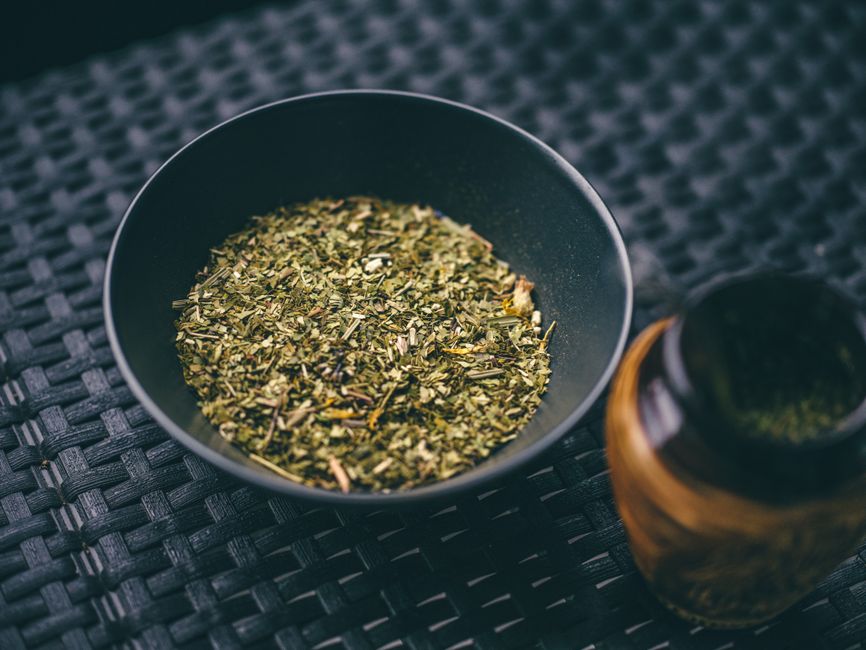
Black cohosh does not increase estrogen. Research shows it works through different pathways in the body, not by adding or mimicking estrogen. This is a common misunderstanding driven by marketing claims and outdated theories. The actual evidence, including studies from the National Institutes of Health, shows black cohosh has no estrogen-like effects on breast tissue or uterine lining.
Does Black Cohosh Increase Estrogen or Just Mimic It?
Black cohosh does not increase estrogen levels in the blood. It also does not act like estrogen in the body. This is what many studies have found.
Early research suggested black cohosh might bind to estrogen receptors. But better studies using modern methods show it does not. A 2013 review in the journal Maturitas looked at all the available evidence. The authors concluded black cohosh has no estrogenic activity.
The confusion comes from how black cohosh works. It affects serotonin receptors in the brain. This is the same system that some antidepressants use. That is likely why some women feel relief from hot flashes. But it has nothing to do with estrogen levels.
What Does Research on Black Cohosh and Estrogen Show?
Several well-designed studies have looked at this question directly. The results are consistent.
Research published in Cancer Research tested black cohosh on breast cancer cells in a lab. The extract did not make the cancer cells grow. Real estrogen does make these cells grow. This is strong evidence that black cohosh does not act like estrogen.
Clinical studies in women have measured actual hormone levels. Blood tests show that estrogen levels do not change after taking black cohosh. A study in Menopause journal gave women black cohosh for 12 weeks. Their estradiol and estrone levels stayed the same.
The National Center for Complementary and Integrative Health (NCCIH) states clearly that black cohosh does not have estrogen-like effects. This is based on a review of all available evidence.
Does Black Cohosh Work for Menopause Symptoms if It Does Not Affect Estrogen?
Yes, some women do find relief from hot flashes and night sweats. But the effect is modest and not guaranteed.
A large analysis of 16 clinical trials was published in Cochrane Reviews in 2012. It found that black cohosh reduced hot flashes slightly more than a placebo. But the difference was small. Many women in the placebo group also felt better.
The way black cohosh works for symptoms is through the brain, not the hormones. It influences serotonin and other neurotransmitters. This can help regulate body temperature. But it does not fix the underlying hormone changes of menopause.
Some women report no benefit at all. This is normal. Individual responses vary widely. If you try black cohosh and notice no change after 8 weeks, it probably will not work for you.





Is Black Cohosh Safe for Women with Hormone-Sensitive Conditions?
This is where the evidence matters most. Women with a history of breast cancer or other hormone-sensitive cancers often want to avoid anything that acts like estrogen.
Current research suggests black cohosh is safe for these women. It does not stimulate breast tissue. It does not increase the risk of breast cancer recurrence. A study in Breast Cancer Research and Treatment followed women with a history of breast cancer who used black cohosh. No increased risk was found.
However, this does not mean it is risk-free. The liver can be affected by black cohosh in rare cases. There have been reports of liver damage, though this is extremely uncommon. Anyone with a liver condition should avoid it.
Always tell your doctor about any supplements you take. This is especially important if you have a history of cancer or liver disease. Your doctor can help you weigh the potential benefits against the rare risks.
What Are the Real Side Effects of Black Cohosh?
Black cohosh is generally well-tolerated. But side effects do occur in some people.
- Stomach upset and cramping
- Headaches
- Dizziness
- Rash
- Weight gain (reported in some studies)
These side effects are usually mild and go away when you stop taking it. Serious side effects are rare.
The most concerning potential side effect is liver injury. This has been reported in a small number of cases worldwide. It is not clear if black cohosh was the direct cause in every case. But the pattern is consistent enough that regulatory agencies in Europe and Australia have issued warnings.
Signs of liver trouble include yellowing of the skin or eyes, dark urine, and severe fatigue. If you notice any of these, stop taking black cohosh immediately and see a doctor.
How Does Black Cohosh Compare to Other Menopause Treatments?
This table shows how black cohosh stacks up against other common options for hot flashes.
| Treatment | How It Works | Estrogen Effect | Evidence Strength |
|---|---|---|---|
| Black cohosh | Brain serotonin pathways | None | Moderate – works for some women |
| Hormone therapy | Replaces estrogen directly | Strong | Strong – most effective option |
| SSRI antidepressants | Brain serotonin pathways | None | Strong – FDA approved for hot flashes |
| Soy isoflavones | Weak estrogen-like effects | Weak | Mixed – some studies show benefit |
| Gabapentin | Brain calcium channels | None | Strong – reduces hot flashes |
Hormone therapy remains the most effective treatment for menopause symptoms. But many women cannot or do not want to take it. Black cohosh offers a non-hormonal option with a different safety profile.
The SSRI class of antidepressants is another non-hormonal option with strong evidence. Paroxetine is actually FDA-approved for hot flashes. Black cohosh is not FDA-approved for any condition because it is a supplement, not a drug.
Common Misconceptions About Black Cohosh and Estrogen
Several myths keep circulating about black cohosh. Here is what the evidence actually says.
Myth: Black cohosh is a natural form of estrogen. This is false. Black cohosh contains no estrogen. It does not convert to estrogen in the body. The idea came from early lab studies that used very high concentrations not found in human use.
Myth: Black cohosh can replace hormone therapy. Not for most women. The effects are much weaker than hormone therapy. Some women find it helpful for mild symptoms. But for moderate to severe hot flashes, it often falls short.
Myth: All black cohosh products are the same. They are not. Supplements vary widely in quality and potency. Many products on the market contain little to no active compound. Look for products standardized to contain triterpene glycosides, the compounds thought to be active.
Myth: Black cohosh is safe because it is natural. Natural does not mean risk-free. Black cohosh can cause side effects and interact with medications. The liver risk, though rare, is real.
Frequently Asked Questions
Can black cohosh cause breast cancer?
Current research shows black cohosh does not increase breast cancer risk. It does not stimulate breast tissue growth like estrogen does.
How long does it take for black cohosh to work?
Most studies show effects within 4 to 8 weeks of daily use. If you notice no improvement by week 8, it likely will not work for you.
Can I take black cohosh with my antidepressant?
Talk to your doctor first. Black cohosh affects serotonin pathways and could potentially interact with antidepressants like SSRIs.
Is black cohosh safe for long-term use?
Most studies have lasted 6 months or less. Long-term safety data is limited. The rare liver risk makes extended use without breaks questionable.
