
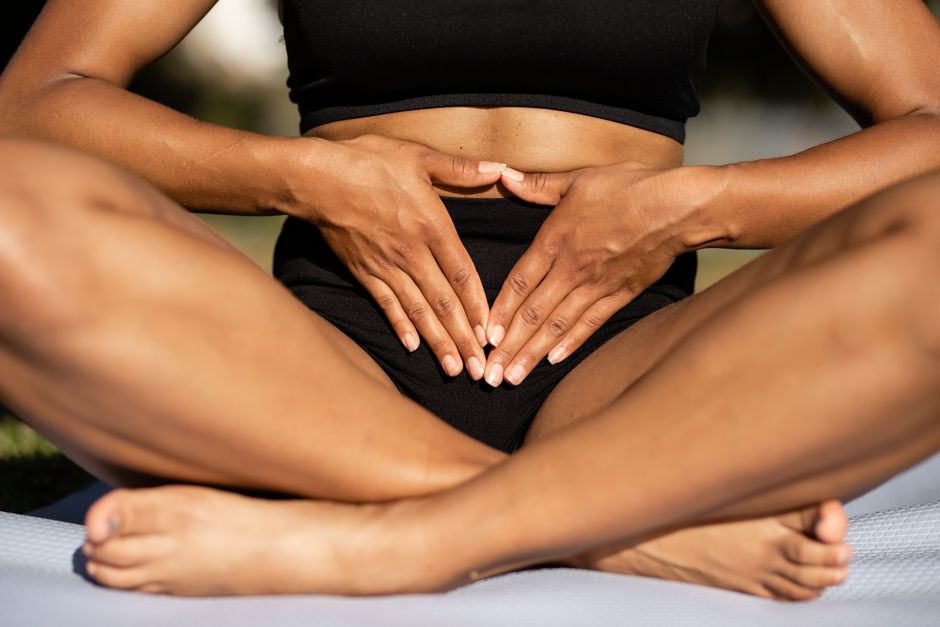
Progesterone is a hormone essential for regulating the menstrual cycle and supporting early pregnancy. Low progesterone can cause irregular periods, spotting, and fertility challenges. While no single “natural” method guarantees a rise in progesterone, certain lifestyle and dietary changes may help your body produce and maintain healthier levels. These approaches are best used alongside medical guidance, not as a replacement.
What Is Progesterone and Why Does It Matter?
Progesterone is a steroid hormone produced mainly by the ovaries after ovulation. Its primary job is to prepare the uterine lining for a fertilized egg. If pregnancy does not occur, progesterone levels drop and menstruation begins. During pregnancy, the placenta takes over production to maintain the pregnancy.
Normal progesterone levels vary by phase of the menstrual cycle. In the follicular phase (before ovulation), levels are low — under 1 ng/mL. After ovulation, during the luteal phase, levels rise to 5–20 ng/mL. If levels stay low during this phase, it can signal a condition called luteal phase defect, which may impair fertility.
Low progesterone can also cause symptoms like breast tenderness, mood swings, anxiety, and heavy or irregular periods. Many of these symptoms overlap with other hormonal conditions, so testing is important before assuming progesterone is the issue.
How To Increase Progesterone Naturally 7 Tips?
These seven tips are based on current evidence showing that lifestyle and diet can influence progesterone balance. None are guaranteed to raise levels in every person, but they support the body’s natural hormone production pathways.
- 1. Eat enough healthy fats. Progesterone is made from cholesterol. Dietary fats provide the building blocks. Include avocados, olive oil, nuts, seeds, and fatty fish like salmon.
- 2. Manage stress effectively. Chronic stress raises cortisol, which competes for the same precursor hormone (pregnenolone) that the body uses to make progesterone. Lowering stress may free up more precursors for progesterone production.
- 3. Prioritize quality sleep. Sleep disruption affects the hypothalamic-pituitary-ovarian axis, which regulates progesterone. Aim for 7–9 hours of consistent sleep each night.
- 4. Exercise in moderation. Too much intense exercise can suppress ovulation and lower progesterone. Moderate activities like walking, yoga, or light strength training support hormonal balance.
- 5. Maintain a healthy body weight. Both underweight and overweight conditions can disrupt ovulation and progesterone production. A balanced diet and regular movement help keep weight in a range that supports normal cycles.
- 6. Get enough vitamin B6 and magnesium. Some studies suggest vitamin B6 may support progesterone production and reduce PMS symptoms. Magnesium helps regulate the stress response and may improve sleep. Good food sources: chickpeas, potatoes, bananas, spinach, almonds, and dark chocolate.
- 7. Limit alcohol and avoid tobacco. Alcohol can raise estrogen levels relative to progesterone, creating an imbalance. Tobacco use is linked to lower progesterone levels and earlier menopause.
What Nutrients Support Progesterone Production?
Beyond the general tips above, specific nutrients have been studied for their role in hormone metabolism. Vitamin B6 is involved in the synthesis of progesterone. Research published in the Journal of Women’s Health found that vitamin B6 supplementation (50–100 mg per day) reduced PMS symptoms, which are partly linked to progesterone imbalance.
Magnesium helps the body use vitamin B6 effectively and also supports the adrenal glands, which produce small amounts of progesterone. Zinc is another mineral that supports ovulation and progesterone production. Oysters, red meat, pumpkin seeds, and lentils are good sources.
Vitamin C and vitamin E have also been examined for their potential role in supporting progesterone levels in some studies, but the evidence is not strong enough to recommend them specifically for this purpose. A varied diet rich in fruits, vegetables, lean proteins, and healthy fats is the most reliable way to get these nutrients.





Do Herbal Supplements Like Vitex Work?
Vitex agnus-castus, also called chasteberry, is one of the most popular herbs for female hormone balance. Some clinical trials suggest it may help regulate menstrual cycles and improve progesterone levels by stimulating the pituitary gland. However, the quality of evidence is mixed, and results vary from person to person.
Other herbs like ashwagandha and rhodiola are marketed for stress reduction and may indirectly support progesterone by lowering cortisol. But no large, well-designed human trials have confirmed that these herbs directly raise progesterone. If you choose to try an herbal supplement, talk with your healthcare provider first, especially if you are trying to conceive or take other medications.
Supplements are not regulated by the FDA in the same way as drugs. Purity, dosage, and potency can vary between brands. The safest approach is to work with a clinician who understands both conventional and integrative medicine.
When Should You Get Tested?
If you have symptoms of low progesterone — short menstrual cycles, spotting before your period, recurrent miscarriages, or difficulty getting pregnant — ask your doctor about testing. A simple blood test on day 21 of a 28-day cycle (or 7 days after ovulation) can measure your progesterone level.
Progesterone testing is most useful when combined with ovulation tracking. If you are not ovulating, your progesterone will remain low no matter what you eat or do. In that case, the root cause of anovulation needs to be addressed first. Conditions like polycystic ovary syndrome (PCOS), thyroid disorders, and high prolactin can prevent ovulation.
Self-treating with supplements or lifestyle changes without first understanding your hormone profile is unlikely to fix the right problem. A healthcare provider can order the appropriate tests and interpret them correctly.
Frequently Asked Questions
Can you increase progesterone naturally without medication?
Yes, for some people, lifestyle changes like reducing stress, improving sleep, and eating a balanced diet may help raise progesterone. But results vary, and severe deficiencies often require medical treatment.
What foods are high in progesterone?
No food contains progesterone itself. However, foods rich in healthy fats, vitamin B6, magnesium, and zinc support your body’s natural progesterone production.
How long does it take to increase progesterone naturally?
There is no standard timeline. Some people may see changes within one or two menstrual cycles after making consistent lifestyle adjustments. Others may need several months.
Does vitamin B6 really help with progesterone?
Some research suggests vitamin B6 may help support progesterone levels and reduce PMS symptoms. The evidence is modest but stronger than for most other single nutrients.
