
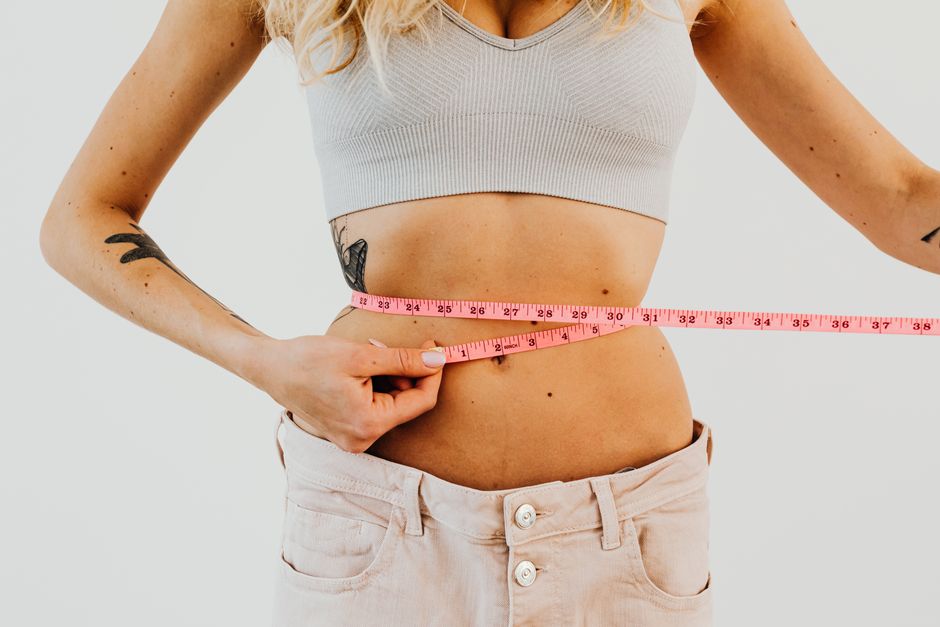
If you have been looking into gut health and weight loss, you have likely seen Bioma. It is a probiotic supplement that claims to help with digestion, bloating, and weight management. The short answer is this: Bioma may help some people lose weight, but it is not a fat burner or a metabolism booster. Its effects come from improving gut bacteria balance, which can influence appetite, digestion, and inflammation. Whether it works for you depends on your current gut health, diet, and lifestyle.
Does Bioma Work For Weight Loss Based on Its Ingredients?
Bioma contains three main ingredients: a probiotic strain called Bifidobacterium longum, a prebiotic fiber called galacto-oligosaccharides (GOS), and a postbiotic called Lactobacillus plantarum. Each has a different role in gut health.
Research published in the journal Nutrients has found that Bifidobacterium longum can reduce inflammation and improve digestion. Chronic inflammation is linked to weight gain and difficulty losing weight. By lowering inflammation, this strain may help your body respond better to diet and exercise.
GOS is a prebiotic fiber that feeds good bacteria in your gut. A 2019 study in the British Journal of Nutrition found that GOS increased feelings of fullness and reduced cravings for fatty foods. This is a real effect, but it is modest. You are not going to feel full all day from a single dose.
Lactobacillus plantarum is a postbiotic, which means it is a byproduct of fermentation. Some studies suggest it can help reduce bloating and improve gut barrier function. A healthier gut lining may reduce the absorption of inflammatory compounds that can make weight loss harder.
The combination is logical. Probiotics add good bacteria, prebiotics feed them, and postbiotics support the environment. But the evidence for weight loss specifically is not strong. Most studies show small effects — around 2 to 5 pounds over several months — and only in people with poor gut health to begin with.
What Does Clinical Research Say About Probiotics and Weight Loss?
A large review published in Obesity Reviews in 2018 looked at 15 randomized controlled trials on probiotics and weight loss. The researchers found that people taking probiotics lost an average of 1.8 pounds more than those taking a placebo. That is not nothing, but it is also not dramatic.
Another review in Nutrients in 2020 focused on Bifidobacterium strains specifically. It found that Bifidobacterium longum helped reduce body fat percentage in people with metabolic syndrome. But again, the changes were small.
The problem with probiotic research is that results vary wildly between individuals. One person may lose 5 pounds. Another may see no change. This is because gut bacteria are personal. Your microbiome is shaped by your diet, stress, medications, and environment. A supplement that works for one person may do nothing for another.
No study has tested Bioma specifically for weight loss. The company cites general research on its ingredients, which is a common marketing tactic. That does not mean the product is fake. It means the evidence is indirect. If you want to try it, you should expect modest results, not a transformation.
How Does Bioma Compare to Other Probiotic Supplements?
There are hundreds of probiotic supplements on the market. Most contain similar strains. Bioma stands out because it includes a prebiotic and a postbiotic in one formula. This is not unique — many brands now offer “synbiotic” products — but it is better than a probiotic alone.
Here is a comparison of Bioma with common alternatives:
| Product Type | Key Ingredients | Evidence for Weight Loss | Cost Per Month |
|---|---|---|---|
| Bioma | Probiotic + Prebiotic + Postbiotic | Moderate (indirect studies) | $40–$60 |
| Standard Probiotic (e.g., Culturelle) | Single probiotic strain | Moderate (small effects) | $20–$30 |
| Prebiotic Fiber Only (e.g., inulin) | Soluble fiber | Weak (appetite effects only) | $10–$20 |
| Multi-Strain Probiotic | 10+ strains | Weak (strain quality varies) | $30–$50 |
Bioma is more expensive than a basic probiotic. You are paying for the three-in-one formula and the brand marketing. If you already eat a high-fiber diet, you may not need the prebiotic. If you eat fermented foods like yogurt or kimchi, you may already get enough postbiotics.





What Are the Side Effects and Risks of Bioma?
Bioma is generally safe for healthy adults. The most common side effects are digestive. Some people report gas, bloating, or mild stomach discomfort during the first week. This usually goes away as your gut adjusts.
There is a risk for people with weakened immune systems. If you are on chemotherapy, have an autoimmune condition, or are recovering from surgery, talk to your doctor before taking any probiotic. In rare cases, probiotics can cause infections in people with compromised immunity.
Another concern is the lack of FDA regulation. The FDA does not approve supplements before they hit the market. Bioma is responsible for its own quality control. Some third-party testing is available, but not all batches are verified. If you buy it, check for a seal from USP, NSF, or ConsumerLab.
Do not expect Bioma to cause serious side effects. Most people tolerate it well. But if you have a history of digestive issues like IBS or SIBO, probiotics can sometimes make symptoms worse. Start with a low dose and monitor how you feel.
Does Bioma Work for Weight Loss Without Diet and Exercise?
This is the most important question. The answer is no. Bioma is not a replacement for healthy eating and physical activity.
Probiotics can influence appetite signals and reduce inflammation, but they do not burn calories. If you eat a diet high in processed foods and sugar, the good bacteria from Bioma will struggle to survive. Prebiotics feed good bacteria, but they also feed bad bacteria if your diet is poor.
A study in Cell Metabolism in 2015 found that gut bacteria diversity improved only when people ate a high-fiber diet alongside probiotics. The supplement alone did not change the microbiome much. This suggests that Bioma works best as part of a larger lifestyle change.
If you take Bioma and keep eating the same way, you may notice less bloating or better digestion. You may not lose weight. The supplement is a support tool, not a solution.
What to Avoid When Taking Bioma for Weight Loss
Some habits can undo the benefits of any probiotic. Here is what to watch for:
- High sugar intake. Sugar feeds harmful bacteria and yeast. It can counteract the good bacteria you are trying to grow.
- Excessive alcohol. Alcohol disrupts the gut lining and kills beneficial bacteria. Even moderate drinking can reduce probiotic effectiveness.
- Antibiotics without probiotics. Antibiotics kill both good and bad bacteria. If you take them, wait a few hours before taking Bioma. Better yet, take a probiotic during and after a course of antibiotics.
- Artificial sweeteners. Some studies suggest sweeteners like sucralose and aspartame can harm gut bacteria. Stick with natural sweeteners like stevia or skip them entirely.
- Skipping fiber. Prebiotics in Bioma help, but they are not enough. You still need fiber from whole foods like vegetables, beans, and oats.
These are not strict rules. They are guidelines based on what the research shows about gut health. If you ignore them, Bioma may still help a little. But you will get better results if you clean up your diet at the same time.
Common Misconceptions About Bioma and Weight Loss
One myth is that Bioma can speed up your metabolism. There is no evidence that probiotics increase metabolic rate. They do not make you burn more calories at rest. Weight loss from probiotics comes from indirect effects like reduced inflammation and better appetite control.
Another myth is that you need to take Bioma forever to see results. Some people do see benefits within two to four weeks. Others need two to three months. If you do not notice any change after three months, the product may not be right for your body. You can stop without worry.
A third misconception is that all probiotics are the same. They are not. The strain matters. Bifidobacterium longum is well-studied for digestion and inflammation. But Lactobacillus acidophilus, another common strain, has different effects. Bioma uses strains with some research behind them, which is better than random blends.
Frequently Asked Questions
How long does it take for Bioma to work for weight loss?
Most people notice changes in digestion and bloating within two to four weeks. Weight loss effects, if they happen, usually take six to twelve weeks of consistent use.
Can I take Bioma with other supplements?
Yes, Bioma is generally safe to take with other supplements. Avoid taking it at the same time as antibiotics or high-dose zinc, which can reduce probiotic effectiveness.
Is Bioma safe for long-term use?
Yes, Bioma is safe for long-term use in healthy adults. There is no evidence of harm from taking probiotics for months or years. Stop if you experience persistent digestive discomfort.
Does Bioma help with bloating or just weight loss?
Bioma may help with bloating more reliably than weight loss. The prebiotic and probiotic combination can reduce gas and improve bowel regularity within a few weeks.
