
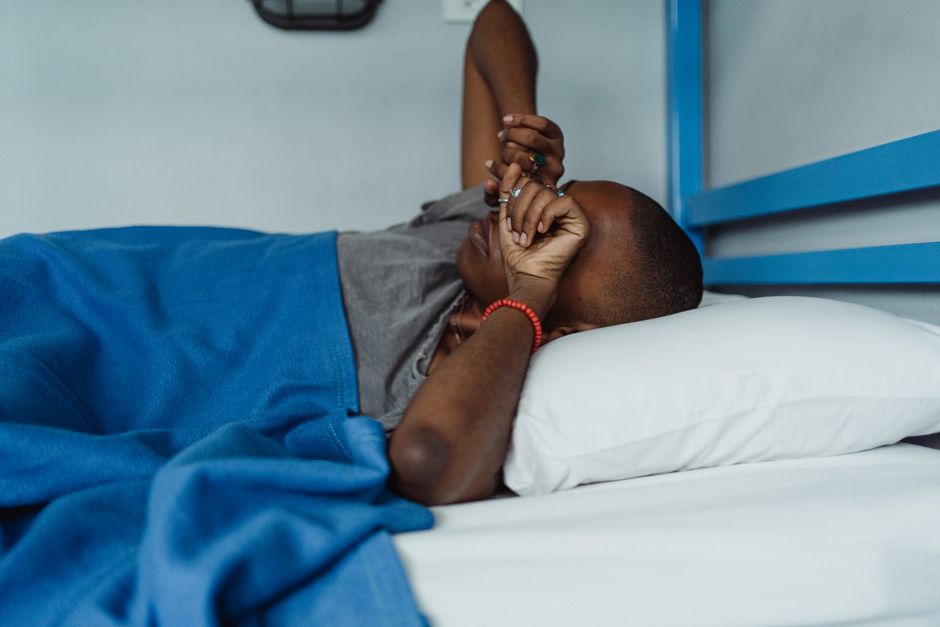
Yes, being high often makes people sleepy, but the effect is less simple than it looks. THC, the main psychoactive compound in cannabis, interacts with the body’s sleep and wake systems in ways that can make you drowsy in the short term. The same compound can also disrupt sleep quality and, over time, may make sleep worse rather than better.
That gap between feeling sleepy and actually sleeping well is the part most people miss. Feeling drowsy is not the same as getting restorative sleep. Understanding why THC does what it does helps explain both the drowsiness and the downsides.
Does Being High Make You Sleepy How Thc Affects Sleep?
THC makes you sleepy by binding to receptors in the brain and body that are part of the endocannabinoid system, a signaling network involved in mood, memory, appetite, pain, and sleep regulation. When THC attaches to these receptors, it can produce relaxation, reduced alertness, and that heavy-eyed, drowsy feeling many people describe.
The effect is real, but it is not the same as a sleep aid. THC changes the way the brain moves through sleep stages. It does not simply push you into deep, refreshing sleep. In some ways it does the opposite.
One clarification worth stating plainly: cannabis contains many compounds, and THC is only one of them. CBD, a non-intoxicating compound, behaves differently and does not produce the same drowsiness in most people. When people talk about getting “high” and feeling sleepy, they are describing THC, not CBD.
Why Does THC Make You Feel Drowsy?
THC acts on two main receptor types in the body, known as CB1 and CB2. CB1 receptors are concentrated in the brain, and THC binds to them readily. This binding is what produces most of the psychoactive and sedating effects.
The drowsiness comes from several overlapping effects:
- Reduced alertness. THC slows certain signaling pathways tied to wakefulness and attention.
- Relaxation and lowered anxiety. For some people, easing tension makes it easier to feel sleepy.
- Body effects. THC can relax muscles and shift how the body registers fatigue.
- Dose matters. Higher doses tend to produce more sedation, though the response varies a lot between people.
This is where a common assumption breaks down. Feeling relaxed and drowsy after using cannabis does not prove it improves sleep. The subjective feeling of sleepiness and the objective quality of sleep are two different things, and research separates them.
How Does THC Change Sleep Stages?
Sleep is not one uniform state. It cycles through stages, including lighter sleep, deep slow-wave sleep, and REM sleep, the stage most associated with vivid dreaming and memory processing. THC appears to alter the normal balance of these stages.
Some studies suggest THC can increase the time spent in certain lighter stages of sleep while reducing REM sleep. Reduced REM is one of the more consistently reported effects of cannabis on sleep architecture. This may explain why some people report dreaming less when they use cannabis regularly.
The evidence here is not uniform. Results vary across studies, doses, and how often a person uses cannabis. What the research does not show is that THC reliably produces deeper, more restorative sleep. That claim is often made but not well supported.





Does Weed Help You Fall Asleep Faster?
Many people report falling asleep faster after using cannabis, and some studies support the idea that it can shorten the time it takes to fall asleep. This is one of the more plausible short-term effects, partly because THC can reduce the mental tension that keeps people awake.
But there is a catch that matters for anyone considering cannabis as a sleep strategy. The benefit tends to be short-lived. As the body adapts to regular use, the sleep-promoting effect can fade, and some people find they sleep worse without it.
It is also worth separating two questions that often get blurred together. Does cannabis help you fall asleep tonight? Sometimes, for some people. Does cannabis improve your sleep over months of regular use? The evidence is much weaker, and some of it points in the other direction.
Can Regular Cannabis Use Worsen Sleep?
Regular cannabis use is associated with several sleep problems, particularly when someone stops using it. Tolerance develops with repeated use, meaning the same dose produces less of an effect over time. This can lead people to use more to get the same drowsiness.
When regular users stop, many experience withdrawal symptoms that include disturbed sleep, more vivid dreams, and difficulty falling asleep. These symptoms can last for days to weeks and are well documented in the research on cannabis dependence. The rebound in REM sleep during withdrawal is thought to contribute to the intense, sometimes unsettling dreams people report.
There is also evidence linking heavy cannabis use to poorer overall sleep quality, even among people who use it specifically to sleep. The relationship is not fully understood, and it likely differs between occasional and heavy users. But the idea that regular use reliably improves sleep over time is not well supported by the evidence.
How Does Smoking Or Vaping Compare To Edibles For Sleep?
The way cannabis is consumed changes how the body processes THC, and that changes the sleep effect. Inhaled THC from smoking or vaping reaches the bloodstream quickly, producing effects within minutes that peak and fade over a few hours. Edibles are absorbed through the digestive system and can take much longer to take effect, with a longer duration.
For sleep, this timing difference matters. A fast-acting effect may help someone fall asleep but wear off during the night. A slower, longer-lasting edible effect might linger into the night in ways that are hard to predict. The delayed onset of edibles also raises a safety concern: people sometimes take more before the first dose has taken effect, which can lead to unintended overconsumption.
No clinical guidelines establish a preferred form of cannabis for sleep, and dosing for sleep is not standardized. Anyone using cannabis for sleep is essentially experimenting with timing and dose without an established protocol.
What Does The Research Actually Show About Cannabis And Insomnia?
The research on cannabis and insomnia is mixed and, in many cases, limited. Some studies report that people with insomnia who use cannabis fall asleep faster, while others find no clear benefit or find that sleep quality does not improve. Much of the evidence comes from self-reported surveys rather than controlled trials, which weakens what can be concluded.
There is a real gap between what people say about cannabis and sleep and what controlled studies demonstrate. Anecdotal reports are common. Rigorous trials are fewer. This does not mean the effects are imaginary, but it does mean the evidence base is not strong enough to call cannabis an established treatment for insomnia.
For people dealing with ongoing sleep problems, established approaches such as cognitive behavioral therapy for insomnia are backed by much stronger evidence. Anyone considering cannabis for sleep should weigh it against approaches with more research behind them.
Are There Risks To Using Cannabis For Sleep?
Using cannabis to sleep carries risks worth naming honestly. Regular use can lead to tolerance and dependence, and stopping can trigger withdrawal that disrupts sleep. Cannabis can also affect memory, coordination, and reaction time, which matters for driving and work.
Some people, particularly those with a personal or family history of certain mental health conditions, may be more vulnerable to negative effects. Cannabis can also interact with other medications, and the effects on developing brains in younger people are a documented concern. Anyone with a health condition or taking medication should talk with a clinician before using cannabis, rather than relying on general information alone.
The bigger point is that using a substance to manage sleep can mask an underlying problem. Poor sleep often has causes, from stress and schedule issues to medical conditions like sleep apnea, that cannabis does not address and may even complicate.
Frequently Asked Questions
Does being high make you sleepy?
Yes, THC commonly produces drowsiness and relaxation. The drowsy feeling is real, but it does not mean the sleep you get is better quality.
Does weed help you sleep better?
Some people fall asleep faster with cannabis, but evidence that it improves overall sleep quality is mixed and limited. Regular use may actually worsen sleep over time.
Why do I dream less when I use cannabis?
THC appears to reduce REM sleep, the stage linked to vivid dreaming, which may explain the effect. Sleep and dream patterns often rebound when people stop using cannabis.
Can cannabis cause sleep problems?
Regular use can lead to tolerance and withdrawal, and stopping is often linked to disturbed sleep and vivid dreams. Heavy use has been associated with poorer sleep quality in some studies.
