
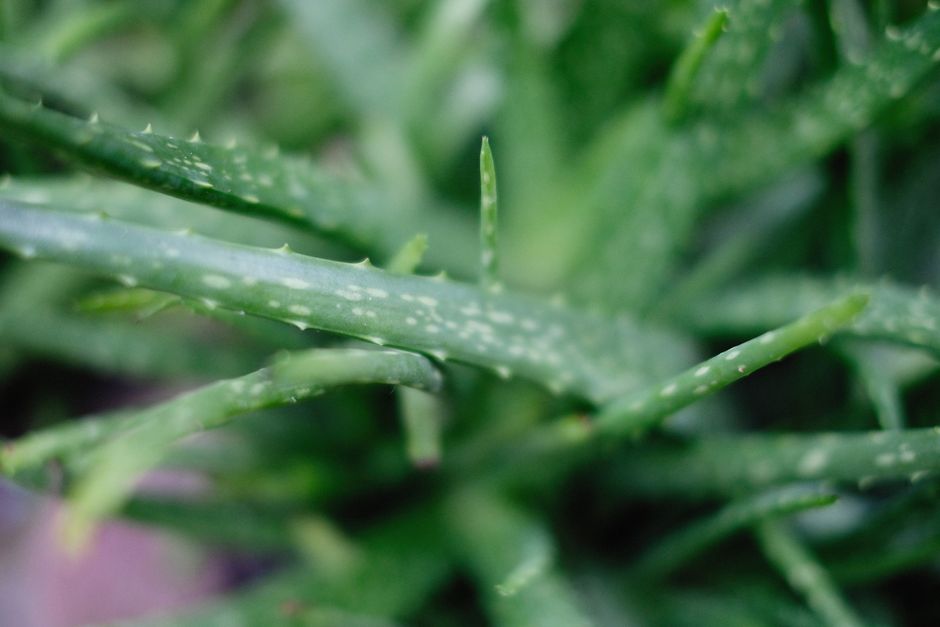
Aloe vera gel can soothe the pain and heat of a sunburn, and it is one of the most commonly used home remedies for sun-exposed skin. But it does not repair DNA damage, reverse cell death, or prevent the long-term risks that come with sun exposure. It is a comfort measure, not a treatment for the underlying injury.
That distinction matters more than most people realize. A sunburn is not just hot, red skin. It is a measurable injury to the DNA inside your skin cells, and no topical gel changes that. What aloe can realistically do is calm inflammation, cool the surface, and take the edge off the discomfort while your skin begins its own repair process.
What Actually Happens to Your Skin During a Sunburn?
A sunburn is radiation damage. When ultraviolet B (UVB) rays penetrate the skin, they are absorbed by DNA in your cells and cause structural changes called pyrimidine dimers. Your body has repair enzymes that try to fix these, but when the damage is too extensive, cells with irreparable DNA trigger a self-destruct sequence called apoptosis.
That cell death is what you see and feel a day or two later. The immune system floods the area with inflammatory signals, blood vessels widen, and the skin becomes red, warm, swollen, and tender. Peeling happens as the dead cells slough off.
This timeline explains why sunburn symptoms often peak hours after exposure, not immediately. It also explains why no topical product can “undo” a sunburn. The injury happened at the DNA level within minutes. Everything that follows is your body’s response to that injury.
Aloe gel works on the response, not the injury.
Does Aloe Gel Help Sunburn? What the Evidence Shows
Aloe vera gel has a long history of use for minor burns, and the research on it is more mixed than most people assume. Some small studies suggest it can reduce inflammation and speed the healing of superficial burns when applied soon after injury. Other studies have found no meaningful difference compared to standard care.
The evidence is limited in size and quality. Most trials involve small numbers of participants, vary in how the aloe was prepared, and use different measures of healing. This makes it hard to draw firm conclusions.
What is more consistent is the symptomatic relief. Aloe gel is cooling, water-based, and slightly anti-inflammatory. Applied to hot, irritated skin, it can feel soothing. That is a real benefit even if it does not accelerate healing.
One clarification worth making: not all aloe products are the same. Pure aloe vera gel from a leaf is mostly water with polysaccharides, enzymes, and small amounts of vitamins. Commercial gels often contain alcohol, fragrance, lidocaine, or preservatives that can irritate burned skin further. The base ingredient may help. The additives may not.
If you are choosing a product, plain is better. Look for one with few ingredients and no alcohol or added fragrance.
What Does Aloe Gel Actually Do for Burned Skin?
Aloe gel does three things that matter for a sunburn.
- Cools the skin. The gel is mostly water and evaporates slowly, which draws heat away from the surface. This can temporarily reduce the burning sensation.
- Reduces surface inflammation. Some compounds in aloe, including certain polysaccharides, appear to have mild anti-inflammatory activity in laboratory and animal studies. Human evidence is weaker.
- Moisturizes. Burned skin loses moisture. A water-based gel can help keep the surface hydrated, which may reduce tightness and itching as the skin heals.
What aloe does not do is equally important. It does not stop the DNA damage that already occurred. It does not prevent peeling. It does not reduce your long-term risk of skin cancer or premature aging from that exposure. Those risks are tied to the UV dose your skin received, not to what you put on it afterward.





How Should You Use Aloe Gel on a Sunburn?
If you choose to use aloe, apply it to cool, clean skin. Chilling the gel in the refrigerator first can add to the cooling effect. Reapply as often as it feels soothing, but there is no established schedule or dose that has been shown to improve outcomes.
A few practical points:
- Do not apply aloe to blistered or broken skin without checking with a clinician. Open wounds are more vulnerable to infection.
- Avoid products with alcohol, fragrance, or numbing agents like lidocaine, which can irritate or sensitize burned skin.
- Do not use aloe as a substitute for cooling the skin with cool water or a cool compress, which is the first-line response to a burn.
- Do not use aloe instead of sun protection in the future. It offers no UV protection.
Some people are allergic to aloe. If you develop increased redness, itching, or a rash after applying it, stop using it.
What Else Helps a Sunburn Heal?
The most effective things you can do for a sunburn are unglamorous.
Get out of the sun immediately. Cool the skin with cool water or a cool, damp cloth. Drink extra water, because sunburn draws fluid to the skin surface and can contribute to dehydration. Take an over-the-counter pain reliever if needed — ibuprofen or acetaminophen are commonly used — following the label directions. Avoid further sun exposure until the skin has healed.
Oral hydration matters more than most people expect. A large sunburn can cause fluid loss across a significant portion of the body surface, and dehydration can worsen the headache, fatigue, and dizziness that sometimes accompany a bad burn.
Aloe can sit alongside these measures. It does not replace them.
When Is a Sunburn Serious Enough to See a Doctor?
Most sunburns heal on their own within a few days to a week. Some need medical attention.
Seek care if you have large blisters covering a significant area, severe pain that is not controlled with over-the-counter pain relievers, signs of infection such as increasing redness, warmth, pus, or fever, or symptoms of heat illness like nausea, dizziness, confusion, or fainting.
Blistering sunburns, especially in childhood or adolescence, are associated with a higher lifetime risk of melanoma. That is not a reason to panic after one bad burn, but it is a reason to take future protection seriously.
If you are unsure whether a burn needs evaluation, call a clinician or a nurse line. It is a low-cost question with a potentially high-value answer.
Does Aloe Gel Prevent Peeling or Long-Term Damage?
No. Peeling is the visible end stage of cells that were already killed by UV radiation. No topical product changes that. The dead cells will separate from the underlying skin regardless of what you apply.
Long-term damage — photoaging, wrinkles, age spots, and increased skin cancer risk — is determined by cumulative UV exposure over your lifetime. Aloe applied after the fact has no effect on that risk.
The only thing that reduces long-term risk is preventing the exposure in the first place. That means sunscreen, shade, protective clothing, and avoiding peak UV hours. These are not new recommendations, but they remain the ones that matter.
Is Aloe Better Than Other Sunburn Remedies?
There is no strong evidence that aloe outperforms other soothing options. Cool compresses, cool baths, plain moisturizers, and over-the-counter hydrocortisone creams are all commonly used, and none has been shown to be clearly superior to the others for speeding healing.
What matters most is avoiding things that make a burn worse. Products containing alcohol, fragrance, menthol, or numbing agents can irritate already-damaged skin. So can petroleum-based ointments applied to a fresh burn, because they trap heat. Some clinicians recommend avoiding these in the first day or two.
Aloe’s main advantage is that it is cooling, widely available, and generally well tolerated. That is a reasonable reason to use it. It is not a reason to expect it to do more than it can.
Frequently Asked Questions
Does aloe vera actually heal a sunburn?
Aloe can soothe pain and reduce surface inflammation, but it does not repair the DNA damage that causes a sunburn. The evidence for faster healing is limited and mixed.
How often should I apply aloe gel to a sunburn?
There is no established schedule that has been shown to improve healing. Apply it as often as it feels soothing, and avoid products with alcohol or fragrance.
Can aloe vera prevent peeling after a sunburn?
No. Peeling is the result of skin cells that were already killed by UV radiation, and no topical product changes that process.
Is it safe to put aloe on a blistered sunburn?
Do not apply aloe to blistered or broken skin without checking with a clinician first. Open skin is more vulnerable to infection.
