
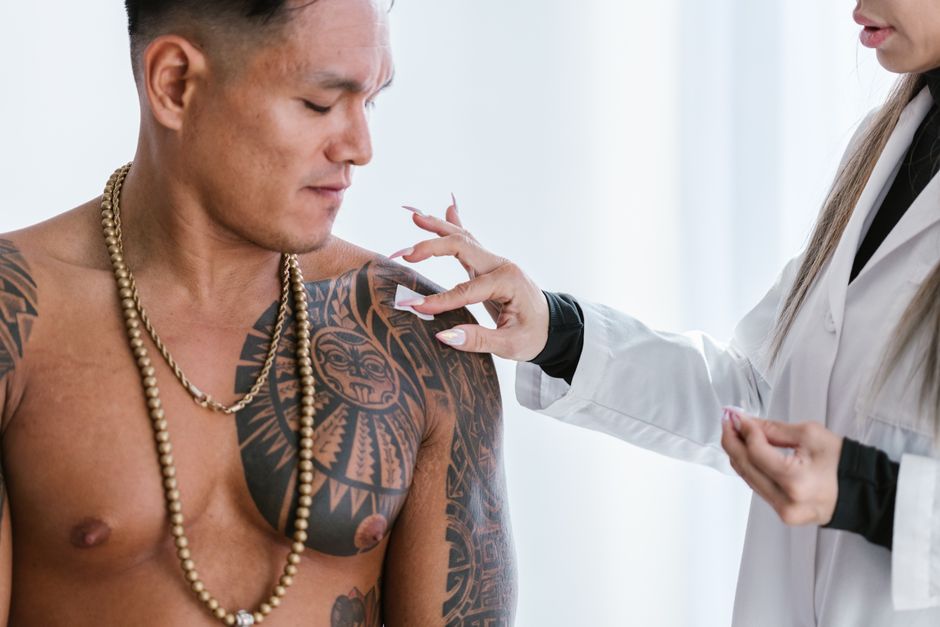
Yes, a tattoo hurts. Getting a tattoo involves a needle puncturing your skin dozens of times per second, so some pain is guaranteed. The real question is not if it hurts, but how much it hurts for you, where you get it, and how long the pain lasts. The experience ranges from a mild annoyance to intense burning, depending on several factors you can predict before you sit in the chair.
What Does Tattoo Pain Actually Feel Like?
Most people describe the sensation as a sharp, scratching burn. It is not like a single needle prick, like a blood draw. It is more like a cat scratch that keeps happening in the same spot, combined with a hot stinging feeling.
The tattoo machine uses a group of needles that move up and down rapidly. Each puncture drives ink into the second layer of your skin, the dermis. Your skin has millions of pain receptors there, which is why the feeling is so intense even though the needles only go about 1/16th of an inch deep.
Some areas feel like a vibration with a sting. Others feel like a hot razor dragging across the skin. The outline pass usually feels sharper, while the shading pass feels more like a dull scrape or burn.
Do A Tattoo Hurt More on Certain Body Parts?
Yes, location is the single biggest factor in how much pain you will feel. Skin thickness and nerve density vary across your body. Areas with thin skin, lots of nerves, or skin directly over bone hurt the most.
The most painful spots are generally the ribs, spine, sternum, elbows, knees, armpits, and the tops of the feet. These areas have very little fat or muscle to cushion the needle from the bone beneath. The sensation there is often described as a deep, vibrating ache that can feel like the needle is hitting the bone itself.
Less painful spots include the outer upper arm, the forearm, the outer thigh, and the calf. These areas have thicker skin and a layer of fat and muscle that absorbs some of the impact. Many people find these spots barely uncomfortable, more annoying than painful.
Your pain tolerance also matters. Two people can get the same tattoo in the same spot and have completely different experiences. Your sleep, stress level, and hydration on the day of the appointment can all change how your body responds to pain.
How Long Does the Pain Last?
The sharp pain stops the moment the needle lifts off your skin. What follows is a different kind of discomfort.
For the first few hours after the session, the area will feel like a bad sunburn. It will be hot, tender, and sore to the touch. This usually peaks within the first day and then gradually fades.
Days two and three bring swelling and a dull ache. The tattooed area may feel tight and bruised. This is a normal part of the healing process, not a sign that anything is wrong.
By day four or five, most of the soreness is gone. The skin may itch as it heals, which can last for a week or more. The itch is a different sensation entirely, but some people find it harder to ignore than the original pain. Scratching can damage the tattoo, so you have to let the itch pass on its own.




What Makes Tattoo Pain Worse?
Several factors can turn a manageable session into a miserable one. Knowing them ahead of time helps you plan.
Being sleep-deprived lowers your pain tolerance. Your body is already stressed, and adding needle trauma makes everything feel worse. The same goes for being hungover or dehydrated. Thin, dehydrated skin is harder to tattoo and more sensitive to the needle.
Getting a tattoo during your menstrual period can increase sensitivity for some women. Hormonal changes can make the skin more reactive and lower pain tolerance. If you have flexibility in scheduling, it may be worth avoiding that week.
Long sessions are harder than short ones. Your body’s pain response builds over time. A two-hour session is manageable for most people. A six-hour session can feel brutal by the end, not because the needle hurts more, but because your nervous system is exhausted. Your skin also becomes more swollen and sensitive the longer the needle works on it.
How to Manage Tattoo Pain Before and During
You cannot eliminate tattoo pain, but you can reduce it. Preparation matters more than most people realize.
Get a full night of sleep before your appointment. Eat a solid meal a couple of hours beforehand. Being hungry or tired makes pain feel worse. Avoid alcohol for at least 24 hours before, because it thins your blood and increases sensitivity.
During the session, distraction helps. Many artists are happy to chat. Listening to music or a podcast through headphones can take your mind off the needle. Some people find that deep, steady breathing helps them ride out the intense moments.
Topical numbing creams are available and many artists use them. These creams contain lidocaine or benzocaine and work by temporarily numbing the top layers of skin. They reduce the sharp sensation significantly, though not completely. Some artists apply them before the session, and some offer sprays during. Ask your artist about their policy before you assume they will use one.
Do not take over-the-counter pain relievers like ibuprofen or aspirin before your appointment. These medications thin your blood and increase bleeding. More bleeding makes it harder for the artist to see what they are doing and can affect how well the ink settles. Acetaminophen does not thin the blood, but it also does not do much for the specific type of pain a tattoo causes.
What About Tattoo Pain Aftercare?
How you care for the tattoo in the first few days affects how long it hurts. Good aftercare shortens the painful healing phase.
Keep the tattoo clean with mild, unscented soap and lukewarm water. Pat it dry with a clean paper towel. Do not rub it. Apply a thin layer of the ointment your artist recommends, usually a fragrance-free moisturizer or a specific tattoo balm.
Do not submerge the tattoo in water. No baths, pools, hot tubs, or oceans until it is fully healed, which typically takes two to four weeks. Showers are fine, but keep the water from blasting directly on the fresh tattoo for the first few days.
Let the tattoo breathe. Do not cover it with tight clothing. Loose cotton allows air to circulate and keeps the area from getting hot and irritated. If the tattoo is on a spot that rubs against clothing, like a waistband area, expect more soreness and slower healing.
When Is Tattoo Pain a Sign of a Problem?
Some pain is normal. Sharp, worsening pain after the first few days is not.
If the area becomes increasingly painful, hot to the touch, or starts oozing yellow or green fluid, that may be an infection. Redness spreading beyond the tattoo lines is another warning sign. These symptoms require medical attention. Do not wait to see if it gets better on its own.
Signs of an allergic reaction include severe itching, a rash, or raised bumps that do not go away. Red ink is the most common culprit for allergic reactions, though any color can trigger one. If you have a history of sensitive skin or allergies, mention it to your artist before the session.
These complications are rare when you go to a licensed, reputable shop that follows proper hygiene practices. But they do happen, and knowing the warning signs is part of being a responsible tattoo recipient.
Frequently Asked Questions
How much does a tattoo hurt on a scale of 1 to 10?
Most people rate tattoo pain between a 3 and a 7, depending on the location. Areas like the outer arm feel closer to a 3, while ribs and feet can reach a 7 or higher.
Does the outline or shading hurt more?
The outline usually hurts more because it uses a single, sharper needle. Shading uses multiple needles and feels more like a dull vibration or scrape, which most people find easier to tolerate.
Can I use numbing cream for a tattoo?
Yes, topical numbing creams containing lidocaine are widely used and effective at reducing surface pain. Ask your artist in advance whether they allow it and which brands they recommend.
How long does tattoo pain last after the session?
The sharp pain stops immediately, but the area will feel sore like a sunburn for two to three days. Swelling and tenderness usually fade by day four or five.
