
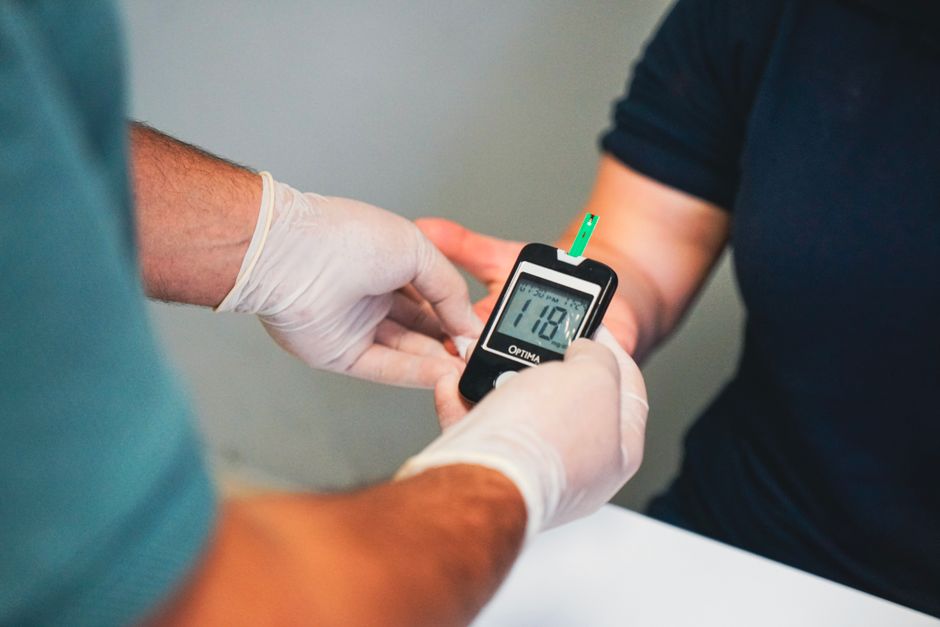
Alcohol can raise blood sugar, lower it, or leave it roughly unchanged — and which one happens depends on what you drink, when you drink it, and what your body does with glucose. The short answer is that alcohol itself tends to push blood sugar down, especially in people who take insulin or certain diabetes medications. But many alcoholic drinks also carry a lot of rapidly absorbed carbohydrate, and that can push blood sugar up first. The net effect is unpredictable, and that unpredictability is the part that matters most.
Does Alcohol Raise Blood Sugar?
Pure alcohol does not raise blood sugar. If anything, it does the opposite.
The liver is the body’s main source of glucose between meals. It stores glucose as glycogen and releases it into the bloodstream to keep levels steady, especially overnight and during fasting. When you drink alcohol, the liver prioritizes breaking that alcohol down. This temporarily slows or pauses glucose release.
At the same time, alcohol can make the body’s cells more sensitive to insulin, at least in the short term. More insulin sensitivity means more glucose moving out of the blood and into cells. Combine a slowed liver glucose supply with increased glucose uptake, and you have a recipe for a drop in blood sugar.
So why do many people see higher readings after drinking? Because of the carbohydrate in the drink itself. Beer, sweet wine, cider, and mixed drinks made with regular soda or juice deliver sugar that absorbs quickly. In the first hour or two, that carbohydrate can drive blood sugar up before any alcohol-related drop shows up. The result is a spike followed by a fall, which is harder to manage than either one alone.
Why Alcohol Affects Blood Sugar Differently Than Other Foods
Alcohol is handled by the body in a way no other nutrient is. It does not need insulin to be metabolized. Instead, the liver breaks it down using enzymes, and while that process is running, the liver largely sets aside its job of making and releasing glucose.
That is the key difference. When you eat carbohydrate, the body has a plan: insulin rises, glucose moves into cells, and the liver can keep doing its background work. When you drink alcohol, the liver’s attention shifts entirely to clearing the alcohol. Its output of glucose can fall.
This is why the danger window is not always right after drinking. A low can develop several hours later, sometimes overnight while you sleep. People who take insulin or medications that stimulate insulin release — such as sulfonylureas — are at the highest risk. The alcohol-related suppression of liver glucose release can stack on top of the medication’s effect.
One detail worth understanding: the body clears alcohol at a fairly fixed rate, roughly one standard drink per hour for most adults. That rate does not speed up with coffee, food, or cold showers. It also means a long evening of drinking keeps the liver busy for a long time, extending the window when blood sugar can drift low.
How Different Drinks Affect Blood Sugar
The drink matters as much as the alcohol. A standard drink in the United States contains about 14 grams of pure alcohol, which translates to roughly 12 ounces of regular beer, 5 ounces of wine, or 1.5 ounces of distilled spirits. But the carbohydrate content of those drinks varies widely.
- Regular beer: Contains carbohydrate from the grain. A 12-ounce serving commonly has around 10 to 15 grams of carbohydrate, though this varies by style.
- Light beer: Lower in carbohydrate, often around 3 to 6 grams per 12 ounces.
- Dry wine: A 5-ounce pour typically has around 3 to 4 grams of carbohydrate.
- Sweet wine and dessert wine: Noticeably higher, sometimes 10 grams or more per serving.
- Distilled spirits (vodka, whiskey, gin, rum): Essentially zero carbohydrate on their own.
- Mixed drinks: This is where carbohydrate can climb fast. Regular soda, tonic water, fruit juice, and sweet syrups can add 20 to 40 grams of carbohydrate or more in a single drink.
A plain spirit with soda water or on the rocks adds almost no carbohydrate. The same spirit with regular cola can add a large dose of sugar. The alcohol is identical; the blood sugar effect is not.





Why the Effect Is So Hard to Predict
No two people respond to alcohol the same way, and the same person can respond differently on different days. Several factors shift the balance.
Food is a major one. Drinking on an empty stomach speeds alcohol absorption and removes the buffering effect of a meal. Drinking with food slows absorption and gives the body a steadier supply of glucose to work with.
How much you drink matters, and so does how fast. The type of diabetes matters too. People with type 1 diabetes often face sharper and less predictable swings because they depend on injected insulin and have less natural counter-regulation. People with type 2 diabetes on insulin or sulfonylureas also carry meaningful low blood sugar risk. People managing type 2 diabetes with metformin alone or with lifestyle changes generally have a lower risk of alcohol-related lows, because those approaches do not push insulin into the system the same way.
Physical activity, sleep, illness, stress, and the timing of meals all interact with alcohol. A single drink after a long day of activity is not the same as the same drink after a large meal and a restful night. This is why checking blood sugar is more useful than predicting.
What to Watch For and When to Check
Low blood sugar and alcohol intoxication can look alike. Both can cause confusion, drowsiness, slurred speech, unsteadiness, and sweating. That overlap is genuinely dangerous, because a low can be mistaken for ordinary drunkenness and go untreated.
Signs of low blood sugar include shakiness, hunger, irritability, rapid heartbeat, sweating, and confusion. If blood sugar drops far enough, it can cause seizures, loss of consciousness, and in severe cases, death. This is a medical emergency.
Checking blood sugar is the only reliable way to tell the difference. Many clinicians advise checking before drinking, again before bed, and during the night after drinking. Some also suggest checking more often the following day, since the effect can linger. Anyone who takes insulin or a medication that can cause lows should treat this as a conversation to have with their own care team, because individual guidance depends on the specific medications and history involved.
Wearing a medical alert bracelet and telling the people you are with about your diabetes are simple steps that can matter in an emergency.
Can Alcohol Cause Long-Term Blood Sugar Problems?
Heavy drinking over time is linked to worse blood sugar control and a higher risk of type 2 diabetes. The relationship is not simple, and it is worth being careful about how it is described.
Chronic heavy alcohol use can damage the pancreas, the organ that produces insulin. It can also contribute to liver disease, which disrupts the liver’s ability to store and release glucose properly. Both of these can worsen blood sugar regulation over the long run.
What about light or moderate drinking? Some observational studies have reported that light to moderate alcohol intake is associated with a lower risk of type 2 diabetes in some populations. This is an area where the evidence is genuinely mixed and where observational data cannot prove cause and effect. People who drink lightly may differ from people who do not drink in many other ways. No major health organization recommends starting to drink alcohol for health reasons, and the general direction of current guidance has moved toward emphasizing that less is better.
For people who already have diabetes, the more important question is not long-term risk from moderate drinking. It is the immediate, day-to-day unpredictability of how a given drink will affect a given reading.
Practical Points About Alcohol and Blood Sugar
A few things hold true across most situations, even though individual responses vary.
- Alcohol itself tends to lower blood sugar by reducing the liver’s glucose output.
- Carbohydrate in the drink can raise blood sugar first, before any drop.
- The low can arrive hours later, including overnight.
- Drinking on an empty stomach increases the risk.
- Low blood sugar and intoxication can be hard to tell apart.
- Checking blood sugar is more reliable than guessing.
Anyone who takes insulin or a medication that can cause low blood sugar should talk with their own clinician about how alcohol fits into their routine. Guidance is individual, and it depends on the specific medications, the type of diabetes, and other health conditions. No single set of rules applies to everyone, and no drink is risk-free for someone on glucose-lowering medication.
Frequently Asked Questions
Does alcohol raise blood sugar or lower it?
Alcohol itself tends to lower blood sugar by slowing the liver’s release of glucose. However, sugary mixers, beer, and sweet wine can raise blood sugar first, so the overall effect can go either way.
Can one drink affect blood sugar?
Yes. Even a single drink can affect blood sugar, especially in people who take insulin or certain diabetes medications. The effect can appear hours later, including overnight.
What is the safest alcohol for people with diabetes?
There is no universally safe choice, but drinks with little added sugar — such as a plain spirit with soda water or a dry wine — add less carbohydrate than sweet mixed drinks. Anyone on glucose-lowering medication should check with their own clinician first.
Why does alcohol cause low blood sugar hours later?
The liver has to clear the alcohol before it can resume releasing glucose, and that process can take hours. This delays the drop, which is why lows often show up long after drinking, sometimes during sleep.
