
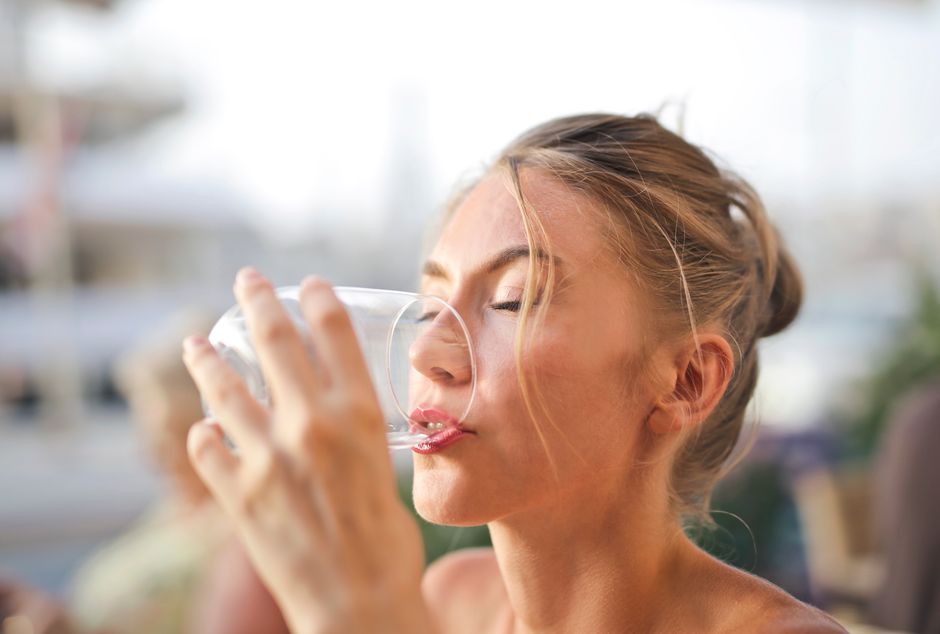
Alcohol does not directly cause acne, but it creates conditions in your body that make breakouts more likely. The connection between drinking and acne is real, though it works through several indirect pathways rather than alcohol itself clogging pores. Understanding how alcohol affects your skin helps you make informed choices without falling for exaggerated claims.
How Does Alcohol Affect Your Skin?
Alcohol changes several systems in your body that influence skin health. The most direct effect is dehydration. Alcohol is a diuretic, meaning it makes you urinate more frequently. This pulls water from your skin cells, leaving your skin dry and less able to repair itself.
Dry skin might sound like the opposite of oily acne-prone skin. But here is the problem. When your skin gets too dry, your oil glands overcompensate. They produce extra sebum, which can mix with dead skin cells and clog pores. This creates the perfect environment for acne bacteria to thrive.
Alcohol also triggers inflammation throughout your body. Acne is fundamentally an inflammatory condition. When you drink, your immune system responds by releasing inflammatory compounds. For people already prone to breakouts, this can turn a few small pimples into angry red cysts.
Research shows that alcohol consumption increases levels of certain hormones including cortisol and testosterone. Both of these can stimulate oil production. Some studies suggest that even moderate drinking can shift your hormone balance enough to affect your skin within hours.
Does Alcohol Cause Acne Directly or Indirectly?
The short answer is indirectly. Alcohol does not contain ingredients that directly clog pores. There is no evidence that ethanol itself causes comedones, which are the technical term for clogged pores. What alcohol does is disrupt the systems that keep your skin clear.
Think of it this way. Alcohol is like a visitor who does not break your window but leaves the door open for trouble. The real damage comes from dehydration, inflammation, hormone changes, and poor food choices that often accompany drinking.
One non-obvious insight is that the sugar content in many alcoholic drinks matters more than the alcohol itself. Cocktails, sweet wines, and sugary mixers spike your blood sugar rapidly. High blood sugar triggers insulin spikes, which increase oil production and inflammation. Beer also contains carbohydrates that affect blood sugar similarly.
Clear liquors like vodka or gin mixed with sugar-free options may have less impact on blood sugar. But they still dehydrate you and trigger inflammation. There is no alcohol that is completely neutral for acne-prone skin.
What Does Research Show About Alcohol and Acne?
Current research suggests the relationship between alcohol and acne is complex. Some large studies have found a link between frequent drinking and acne severity, while others show no direct correlation. This inconsistency makes sense because alcohol affects people differently based on genetics, diet, and existing skin conditions.
A 2019 study published in the Journal of Clinical and Aesthetic Dermatology found that women who drank alcohol frequently reported more acne breakouts than non-drinkers. The study noted that the type of alcohol mattered. Wine drinkers reported fewer breakouts than beer or liquor drinkers. This may relate to sugar content rather than the alcohol itself.
As of 2026, researchers still debate whether moderate drinking causes acne in people who do not already have acne-prone skin. For people with existing acne, the evidence is stronger that alcohol worsens symptoms. The key factor appears to be individual susceptibility.
What most studies agree on is that heavy drinking clearly harms skin health. Binge drinking causes severe dehydration, significant hormone disruption, and high inflammation levels. These effects are hard to argue against regardless of your skin type.



Which Types of Alcohol Are Worst for Acne?
Not all drinks affect your skin the same way. Below is a comparison of common alcoholic drinks and their potential impact on acne-prone skin.
| Drink Type | Acne Risk Factors | Relative Impact |
|---|---|---|
| Sugary cocktails | High sugar content, mixers with artificial ingredients | High |
| Beer | Carbohydrates, gluten, hops (some people sensitive) | Moderate to High |
| Sweet wine | Residual sugar, sulfites in some people | Moderate |
| Dry wine | Lower sugar, still dehydrates | Low to Moderate |
| Clear liquor (vodka, gin) | Lower sugar if mixed with sugar-free options | Low to Moderate |
| Hard seltzer | Low sugar, but still dehydrates | Low |
The worst offenders are drinks that combine alcohol with high sugar content. A margarita or piña colada delivers a double hit of dehydration from alcohol and an insulin spike from sugar. Beer drinkers often consume multiple drinks in one sitting, which compounds the effects.
Dry red wine may be the best option for acne-prone skin because it contains resveratrol, an antioxidant with anti-inflammatory properties. But this benefit is small compared to the negative effects of alcohol itself. Do not drink wine hoping it will clear your skin.
What Actually Happens to Your Skin When You Drink?
Here is what happens inside your body after one or two drinks, broken down by timeline.
- Within 30 minutes: Blood alcohol rises. Your body starts producing more urine. Dehydration begins immediately.
- 1 to 2 hours: Inflammation markers increase. Your immune system releases compounds that can worsen existing acne.
- 4 to 6 hours: Cortisol levels rise. This stress hormone stimulates oil glands to produce more sebum.
- Next morning: Skin appears dull and dry. Puffiness around eyes is common due to fluid shifts. Existing pimples may look redder and more inflamed.
- 24 to 48 hours: If you drank heavily, your body still processes the effects. Hormone levels may remain disrupted. New breakouts can appear during this window.
These effects vary by person. Some people notice changes after one drink. Others can drink moderately with no visible skin changes. Genetics, diet, sleep quality, and stress levels all influence how alcohol affects your skin.
One thing that is consistent is that alcohol disrupts sleep. Poor sleep raises cortisol and impairs skin repair. Even if you do not see immediate breakouts, regular drinking can slowly degrade your skin quality over weeks and months.
Can You Drink Alcohol Without Breaking Out?
Yes, many people drink alcohol without experiencing acne breakouts. The key is understanding your personal tolerance and making adjustments. If you have acne-prone skin, you do not need to completely avoid alcohol. But you need to be strategic.
Start by paying attention to how your skin reacts after drinking. Keep a simple journal for two weeks. Note what you drank, how much, and how your skin looked the next day. Patterns will emerge. You might find that beer causes breakouts but wine does not, or that two drinks is fine but three causes problems.
Hydration is the single most effective strategy. Drink one glass of water for every alcoholic drink. This does not prevent all effects, but it significantly reduces dehydration. Your skin will thank you the next morning.
Eating before drinking also helps. Food slows alcohol absorption and reduces blood sugar spikes. Choose protein and healthy fats over simple carbs. A meal with eggs, avocado, or salmon before drinking provides better skin protection than bread or pasta.
Some people report that taking zinc supplements before drinking reduces acne breakouts. Zinc has anti-inflammatory properties and supports skin healing. The evidence for this is limited but promising. Talk to your doctor before adding any supplement to your routine.
What to Avoid When Drinking for Acne-Prone Skin
Certain habits make alcohol much worse for your skin. Avoid these if you want to minimize breakouts.
Do not drink on an empty stomach. This causes rapid alcohol absorption, higher blood sugar spikes, and more inflammation. Your liver processes alcohol faster when food is present, which reduces the toxic byproducts that damage skin cells.
Do not mix alcohol with energy drinks or caffeinated sodas. Caffeine is also a diuretic, so the combination dehydrates you twice as fast. Energy drinks also contain high sugar and stimulants that raise cortisol levels. This is a recipe for inflamed skin.
Do not skip your skincare routine after drinking. Many people come home late and skip washing their face. This is the worst time to skip it. Alcohol makes your skin more vulnerable to bacteria and irritation. Sleeping with makeup, sweat, and environmental debris on your face after drinking guarantees clogged pores.
Do not use harsh acne treatments the morning after drinking. Your skin is already dehydrated and inflamed. Applying benzoyl peroxide or salicylic acid can cause irritation and peeling. Stick to gentle cleansing and moisturizing until your skin recovers.
Frequently Asked Questions
Does alcohol cause acne on cheeks specifically?
Alcohol does not target specific areas of the face. But cheek breakouts often relate to hormonal changes, which alcohol can trigger.
Can one night of drinking cause a breakout?
Yes, one night of heavy drinking can cause a breakout within 24 to 48 hours, especially if you are already prone to acne.
Is wine or beer worse for acne?
Beer is generally worse because of its carbohydrate content and higher consumption volume. Dry wine has lower sugar but still affects skin.
Does quitting alcohol clear acne completely?
Quitting alcohol may improve your skin, but it will not clear acne if other factors like diet, hormones, or genetics are involved.
