
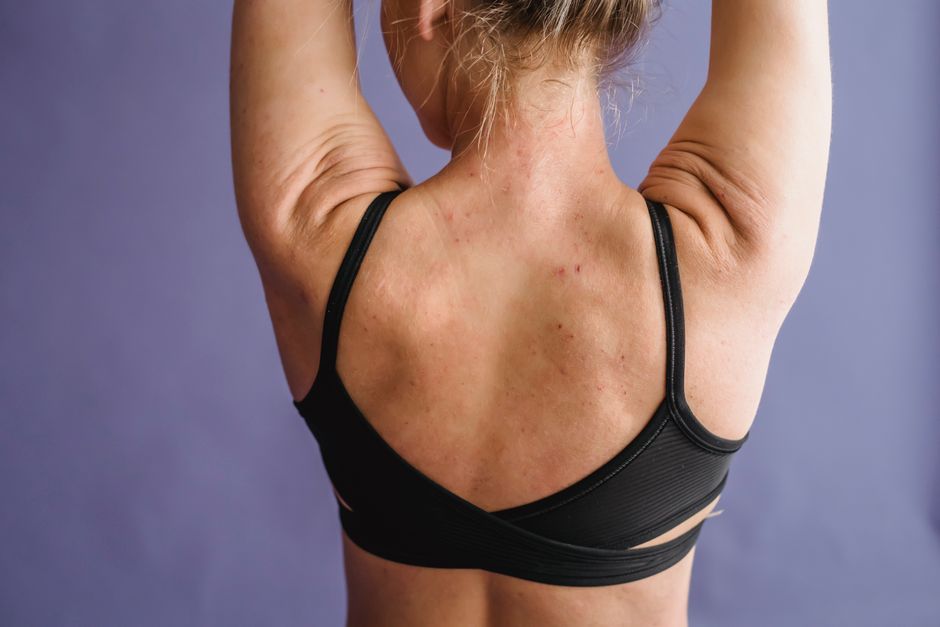
Back acne is very common. It affects most people who get acne at some point in their lives. Studies suggest that more than half of people with acne have it on their back or body. It is not rare, and it is not something to be embarrassed about. Both teenagers and adults get it, though it tends to peak in the late teen and early adult years. Men are more likely to get back acne than women, though it affects both sexes significantly.
How Common Is Back Acne And Who Does It Affect
Back acne is one of the most common forms of body acne. While facial acne gets the most attention, the back is actually the second most common location for acne breakouts. Research across different populations consistently shows that a large percentage of acne patients have truncal acne, which is the medical term for acne on the back, chest, and shoulders.
Some studies indicate that up to 60% of people with facial acne also have acne on their back. The condition is slightly more common in males than females. This is partly because men have more active sebaceous glands, which produce the oil that contributes to acne. Hormonal factors play a role too. During puberty, androgen levels rise and trigger increased oil production across the body, not just the face.
Back acne is not limited to teenagers. Adult acne is increasingly common, and adults in their 20s, 30s, and 40s frequently report body breakouts. For many adults, back acne persists long after facial acne clears. Some people only ever get acne on their back and never on their face.
Why Does Acne Develop On The Back
The back has some of the largest sebaceous glands in the body. These glands produce sebum, an oily substance that helps protect the skin. When sebum mixes with dead skin cells, it can clog hair follicles. Bacteria that normally live on the skin, particularly Cutibacterium acnes, can then multiply inside the clogged pore. This triggers inflammation, which produces the red, swollen bumps you see.
The back is also an area with thick skin and many hair follicles. This makes it more prone to clogged pores than other body areas. Friction and pressure can make things worse. Tight clothing, backpack straps, and sports equipment can irritate the skin and worsen existing breakouts. Sweating during exercise can also contribute, especially if you do not shower promptly afterward.
Genetics play a meaningful role. If your parents had acne, you are more likely to get it too. Hormonal fluctuations, stress, and certain medications can all trigger or worsen back acne. Some medications, including corticosteroids and lithium, are known to cause acne as a side effect.
How Back Acne Differs From Facial Acne
Back acne is often more severe than facial acne. The skin on the back is thicker, and the pores are larger. This means breakouts can go deeper and take longer to heal. Nodules and cysts are more common on the back than on the face. These are the painful, firm lumps that sit deep under the skin.
Because the back has thicker skin, topical treatments that work well on the face may be less effective on the back. The active ingredients in creams and gels have a harder time penetrating the skin on the back. This is why dermatologists often recommend different treatments for body acne than for facial acne.
Another key difference is that back acne is harder to treat yourself. It is difficult to reach your own back, so applying creams and lotions consistently can be a challenge. Many people need help from a partner or family member to apply treatment regularly.





What Does Back Acne Look Like
Back acne can look different from person to person. The mildest form is blackheads and whiteheads, which are clogged pores that are not inflamed. These appear as small bumps on the skin. Blackheads look dark because the oil inside them is exposed to air and oxidizes, not because of dirt.
More noticeable breakouts include red bumps and pustules. Pustules are the classic pimples with a white or yellow center. These are inflamed and can be tender to the touch. In more severe cases, nodules and cysts develop. These are deeper, larger, and often painful. They are more likely to leave scars.
It is important to know that not everything on your back is acne. Folliculitis is a common condition that looks similar to acne. It is an inflammation of the hair follicles, often caused by bacteria or yeast. It can look like small red bumps or pus-filled pimples. Fungal acne, which is technically Malassezia folliculitis, is another condition that mimics back acne. It is caused by yeast and responds to different treatments than bacterial acne.
When To See A Dermatologist For Back Acne
You should consider seeing a dermatologist if over-the-counter treatments have not improved your back acne after several weeks of consistent use. You should also seek medical advice if your breakouts are painful, deep, or spreading. If you are developing scars or dark spots after breakouts heal, professional treatment can help prevent permanent damage.
Back acne that covers a large area or is severe enough to interfere with daily life warrants a medical evaluation. Dermatologists can prescribe stronger topical treatments, oral medications, or procedures that are not available over the counter. They can also accurately diagnose whether your condition is actually acne or something else, like folliculitis or a yeast infection. Getting the right diagnosis matters because the treatments are different.
There is no need to suffer through painful or scarring back acne. Dermatologists treat this condition regularly. It is one of the most common reasons people visit a dermatologist, and there are many effective treatment options available.
What Treatments Are Available For Back Acne
Mild back acne often responds to over-the-counter washes and sprays containing benzoyl peroxide or salicylic acid. Benzoyl peroxide kills bacteria and helps clear clogged pores. Salicylic acid helps exfoliate dead skin cells and unclog pores. These products come in body washes, sprays, and lotions designed for hard-to-reach areas.
For moderate to severe back acne, prescription treatments are usually more effective. Topical retinoids, such as adapalene or tretinoin, help normalize skin cell turnover and keep pores clear. They are considered first-line treatments for acne but require consistent use for several months to see full results.
Oral medications may be necessary for severe cases. Antibiotics can reduce inflammation and bacterial growth, though they are typically used for short periods. Hormonal treatments, including certain birth control pills, are effective for women with hormonal acne. Isotretinoin is a powerful oral medication reserved for severe, scarring, or treatment-resistant acne. It is highly effective but requires close medical monitoring due to potential side effects.
Some dermatologists recommend procedures like chemical peels or light-based therapies for stubborn back acne. Evidence for these treatments is mixed, and they are usually considered when other options have failed. No single treatment works for everyone, and it often takes trial and error to find what works for you.
Can Back Acne Be Prevented
Prevention is not always possible, but certain habits can reduce the likelihood of breakouts. Showering soon after sweating is one of the most effective steps. Sweat itself does not cause acne, but it can mix with oil and dead skin cells and contribute to clogged pores. Wearing loose, breathable clothing during exercise can also reduce friction and irritation.
Choosing the right laundry detergent and body wash matters for some people. Harsh products can irritate the skin and worsen acne. Non-comedogenic products, which are formulated not to clog pores, are a reasonable choice for body care. However, there is limited evidence that any specific ingredient in body wash prevents acne on its own.
The evidence for diet affecting acne is growing but not definitive. Some studies suggest that high-glycemic diets and dairy intake may be associated with acne in some people. This does not mean everyone with back acne should cut out dairy or sugar. The relationship is complex and varies from person to person. If you notice a pattern between certain foods and your breakouts, it may be worth discussing with a dermatologist.
Does Back Acne Leave Scars
Yes, back acne can leave scars, and it is more likely to scar than facial acne. The skin on the back is thicker and heals differently. Deep nodules and cysts are particularly prone to scarring. Picking or squeezing back acne significantly increases the risk of permanent scars.
There are different types of acne scars. Ice pick scars are narrow, deep pits. Boxcar scars are wider depressions with sharp edges. Hypertrophic scars are raised and firm. Dark spots, called post-inflammatory hyperpigmentation, are not true scars but can persist for months after the acne heals. These are more common in people with darker skin tones.
Treating back acne early is the best way to prevent scarring. If you already have scars, dermatologists offer options like laser resurfacing, microneedling, and chemical peels. These treatments can improve the appearance of scars but cannot remove them entirely. Results vary, and multiple sessions are typically needed.
Frequently Asked Questions
Is back acne more common in men or women?
Back acne is more common in men. Men have larger and more active sebaceous glands, which produce more oil and increase the likelihood of clogged pores.
Can back acne go away on its own?
Mild back acne can clear on its own, especially after puberty when hormone levels stabilize. However, many people need consistent treatment to clear their back acne, and it can persist into adulthood without intervention.
Is back acne the same as fungal acne?
No, they are different conditions. Back acne is caused by clogged pores and bacteria, while fungal acne is caused by yeast in the hair follicles. They look similar but require different treatments, so an accurate diagnosis matters.
How long does it take for back acne treatment to work?
Most treatments take at least 8 to 12 weeks of consistent use to show noticeable improvement. Prescription treatments may take longer, and dermatologists typically reassess progress after a few months.
