
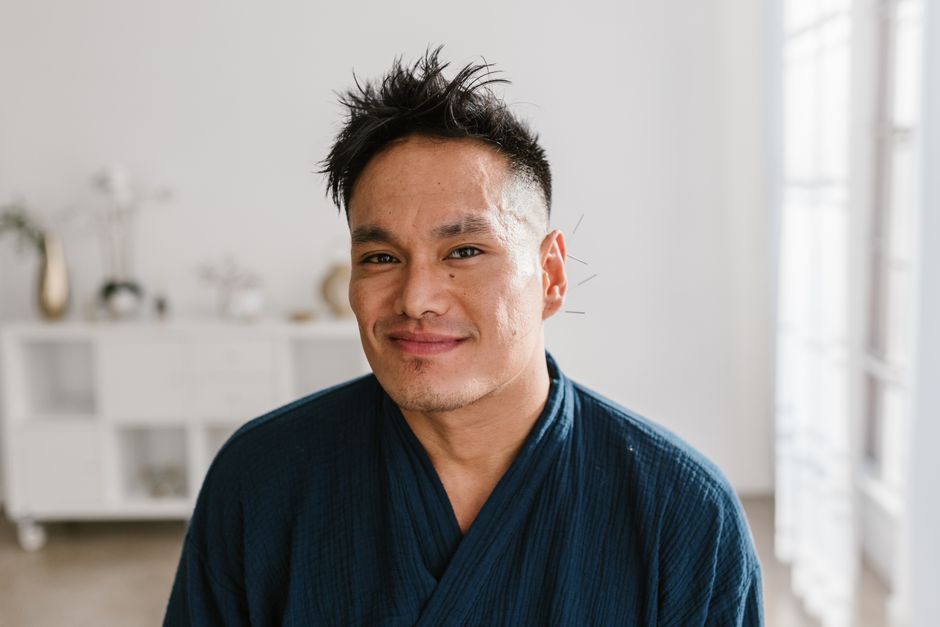
Acupuncture can help reduce anxiety symptoms for many people, though it does not work for everyone the same way. Research from the National Institutes of Health (NIH) shows that acupuncture may calm the nervous system by triggering the release of natural pain-relieving and mood-regulating chemicals in the brain. While it is not a replacement for therapy or medication prescribed by a doctor, acupuncture is a reasonable option to consider as part of a broader anxiety management plan.
Does Acupuncture Work For Anxiety Actually Work?
Yes, acupuncture appears to work for anxiety in a meaningful number of people. A 2018 analysis published in the Journal of Acupuncture and Meridian Studies reviewed 13 clinical trials and found that acupuncture was more effective than no treatment for reducing anxiety symptoms. The effects were moderate, meaning they were noticeable but not dramatic.
The way acupuncture affects anxiety is not fully understood, but the leading theory involves the nervous system. When thin needles are inserted into specific points on the body, they stimulate nerves under the skin and in muscle tissue. This sends signals to the brain that can lower the activity of the sympathetic nervous system — the part responsible for the “fight or flight” response. At the same time, the parasympathetic system, which helps you rest and digest, becomes more active.
Some people report feeling deeply relaxed during or after a session. This is widely claimed, though strong evidence for long-term anxiety relief is still limited. For short-term relief, the research is more supportive.
What Does the Research Say About Acupuncture for Anxiety?
The strongest evidence comes from studies on generalized anxiety disorder and preoperative anxiety. A 2019 meta-analysis in the journal Anxiety and Depression reviewed 20 randomized controlled trials involving over 1,500 participants. It found that acupuncture reduced anxiety scores significantly more than sham acupuncture — where needles are placed in non-acupuncture points — and more than no treatment at all.
However, the quality of many studies is mixed. Some trials have small sample sizes. Others do not use a true placebo control group. The NIH notes that while promising, the evidence is not strong enough to recommend acupuncture as a standalone treatment for anxiety disorders.
Research published in JAMA Internal Medicine in 2016 reviewed 39 trials on acupuncture for various conditions including anxiety. The authors concluded that acupuncture was associated with reduced anxiety compared to usual care, but the effect was small when compared to sham acupuncture. This suggests that the ritual of treatment — the quiet environment, the time with a practitioner, the expectation of relief — may play a role in how well it works.
| Study Type | Number of Participants | Key Finding |
|---|---|---|
| Generalized anxiety disorder trials | ~1,500 | Acupuncture reduced anxiety scores more than no treatment |
| Preoperative anxiety trials | ~900 | Acupuncture lowered anxiety before surgery compared to placebo |
| Sham-controlled trials | ~2,500 | Effect was small but still statistically significant |
What Happens During an Acupuncture Session for Anxiety?
A typical session begins with a conversation about your anxiety symptoms, sleep patterns, and overall health. The practitioner then inserts very thin needles into specific points on your body. Common points for anxiety include the inner wrist, the outer edge of the ear, the top of the head, and the lower leg.
The needles are much thinner than the ones used for injections or blood draws. Most people feel a slight pinch or a dull ache when the needle goes in, but it is not typically painful. The needles stay in place for 15 to 30 minutes while you lie still in a quiet room. Many people fall asleep during this time.
Some practitioners also use techniques like electroacupuncture, where a mild electrical current passes through the needles. Some studies suggest this may have a stronger effect on anxiety, but the research is not conclusive enough to recommend it over standard acupuncture.
Most people need multiple sessions to see results. A typical treatment plan for anxiety might involve one or two sessions per week for six to eight weeks. After that, sessions may be spaced out to once a month for maintenance.





What Are the Side Effects and Risks of Acupuncture?
Acupuncture is generally safe when performed by a licensed practitioner using sterile needles. The most common side effects are minor bruising, slight bleeding at the needle site, and temporary soreness. Some people feel lightheaded or drowsy after a session, which usually passes within a few hours.
Serious side effects are rare. The FDA regulates acupuncture needles as medical devices, and licensed acupuncturists in the United States must complete extensive training. The risk of infection is very low when needles are single-use and sterile.
There are a few situations where extra caution is needed. People with bleeding disorders or those taking blood thinners should talk to their doctor before trying acupuncture. Pregnant women should also check with their healthcare provider, as some acupuncture points are thought to stimulate labor.
As of 2026 there is no clinical evidence that acupuncture can make anxiety worse. However, some people report feeling more anxious during their first session simply because they are not used to the needles or the setting. This usually fades after one or two visits.
How Does Acupuncture Compare to Other Anxiety Treatments?
Acupuncture is not a replacement for proven treatments like cognitive behavioral therapy (CBT) or medication. The American Psychological Association lists CBT as the gold standard for anxiety disorders. Antidepressants like SSRIs are also well-supported by decades of research.
What acupuncture offers is a low-risk option that can be used alongside these treatments. Many people prefer it because it does not involve medication and has few side effects. A 2020 survey by the National Center for Complementary and Integrative Health found that about 6% of U.S. adults had used acupuncture in the past year, with anxiety being one of the top reasons.
Some studies suggest that combining acupuncture with CBT may produce better results than either treatment alone. A 2021 trial in the Journal of Clinical Psychology found that people who received both treatments had greater reductions in anxiety than those who received CBT alone. The effect was moderate, and more research is needed to confirm this finding.
For people who cannot tolerate the side effects of medication or who have not responded well to therapy, acupuncture is worth discussing with a healthcare provider.
What to Look For in an Acupuncturist
Licensing requirements vary by state, so check the regulations where you live. The National Certification Commission for Acupuncture and Oriental Medicine (NCCAOM) offers a national certification that most states accept. Look for a practitioner who holds this credential.
Ask about their experience treating anxiety specifically. Some acupuncturists specialize in mental health and may have additional training. A good practitioner will also ask about your overall health and any medications you take, since acupuncture can interact with certain conditions.
Cost is another factor. A single session typically costs between $75 and $150. Some insurance plans cover acupuncture, especially for chronic pain, but coverage for anxiety is less common. Check with your insurance provider before booking.
It is also fine to ask for a brief phone consultation before your first appointment. This gives you a chance to see if the practitioner’s style and approach feel right for you.
- Check that the practitioner is licensed in your state
- Ask about experience treating anxiety specifically
- Confirm that single-use sterile needles are used
- Check insurance coverage before scheduling
- Request a phone consultation if you are unsure
Common Misconceptions About Acupuncture for Anxiety
One common misunderstanding is that acupuncture works instantly. It does not. Most people need multiple sessions before noticing a change in their anxiety levels. The effects tend to build gradually over weeks.
Another misconception is that acupuncture is painful. The needles are very thin — about the width of a human hair. Most people describe the sensation as a dull ache or a mild tingling, not sharp pain. If it hurts significantly, the practitioner may need to adjust the needle placement.
Some people believe that acupuncture is a cure for anxiety. It is not. It can help manage symptoms, but it does not address the underlying causes of an anxiety disorder. Therapy and lifestyle changes are still needed for long-term improvement.
There is also a belief that acupuncture only works if you believe it will. This is partially true — the placebo effect is real and can contribute to symptom relief. But studies that compare real acupuncture to sham acupuncture still show a difference, which suggests that the needle placement itself has a biological effect beyond expectation.
Frequently Asked Questions
How many acupuncture sessions do I need for anxiety?
Most people need six to twelve sessions to see noticeable improvement, typically scheduled once or twice per week.
Can acupuncture replace my anxiety medication?
No. Acupuncture is not a replacement for prescribed medication and should only be stopped under a doctor’s supervision.
Does insurance cover acupuncture for anxiety?
Some plans cover it for chronic pain, but coverage for anxiety is less common. Check with your provider before your first appointment.
Is acupuncture safe if I am already seeing a therapist?
Yes. Acupuncture is generally safe to use alongside therapy and may even enhance the benefits of treatment.
