
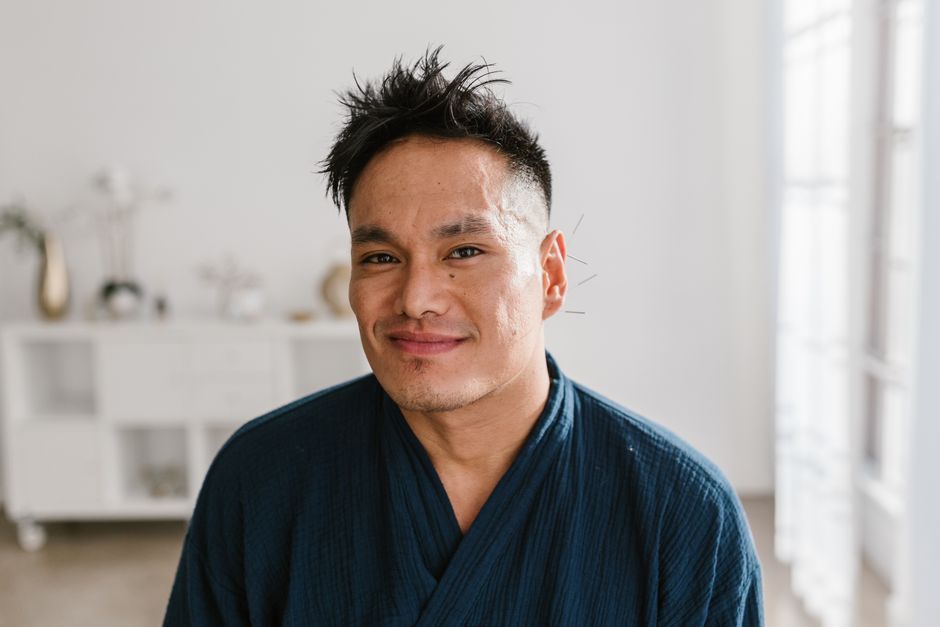
Acupuncture is sometimes used to help with anxiety. Some studies suggest it may reduce symptoms like nervousness and tension. However, the evidence is not strong enough to recommend it as a primary treatment. For most people, acupuncture works best alongside proven therapies like counseling or medication.
What Does the Research Say About Acupuncture for Anxiety?
The research on acupuncture for anxiety shows mixed results. Small studies have found that people report less anxiety after acupuncture sessions. But larger reviews of the evidence are less clear. Some reviews conclude that the benefits may be due to the placebo effect — the simple act of being cared for can make people feel better.
Most of the studies have been small or poorly designed. That makes it hard to know if the improvements come from the needles themselves or from other factors like relaxation during the session. Researchers agree that more high-quality studies are needed before acupuncture can be called a proven anxiety treatment.
A few well-designed trials have shown that acupuncture can reduce anxiety before medical procedures, such as dental work or surgery. But for general anxiety disorder or chronic worry, the evidence is weaker. It’s important to be honest about what the science actually shows.
How Might Acupuncture Affect Anxiety?
Traditional Chinese medicine says acupuncture balances the body’s energy, or qi. Western science looks at it differently. Inserting thin needles into the skin may stimulate nerves and trigger the release of natural painkillers called endorphins. These chemicals can produce a sense of calm.
Acupuncture may also affect parts of the brain that control stress. Some research shows it can lower levels of cortisol, the body’s main stress hormone. It might also activate the parasympathetic nervous system — the part that helps you relax. These effects are not fully understood, and not everyone responds the same way.
The relaxation itself may be the main benefit. Lying still in a quiet room with a trained practitioner can be calming. The needles are not painful for most people, but the sensation can be unusual. Some people find it soothing; others do not.
Can Acupuncture Help With Anxiety?
Can acupuncture help with anxiety? The honest answer is that it might, but it is not a sure thing. For some people, acupuncture provides noticeable relief from anxiety symptoms. For others, it makes no difference.
The best evidence suggests acupuncture is most helpful when used alongside standard treatments. Cognitive behavioral therapy (CBT) and certain medications have strong research backing. Acupuncture does not replace these. But it can be a useful addition for people who want to try something non-drug.
If you are considering acupuncture, talk to your doctor first. Make sure you continue any current treatment. Do not stop medication or therapy without professional guidance. Acupuncture may be worth trying if you have mild anxiety and want a complementary approach.





What Are the Different Types of Acupuncture for Anxiety?
Not all acupuncture is the same. Traditional acupuncture uses thin needles inserted at specific points on the body. These points are chosen based on your symptoms and the practitioner’s assessment. Sessions usually last 30 to 60 minutes.
Electroacupuncture adds a mild electric current to the needles. Some studies suggest this may produce stronger effects on the nervous system. However, it is not widely available, and the evidence is still limited.
Acupressure uses pressure instead of needles. It can be done at home or by a practitioner. The research on acupressure for anxiety is even less conclusive than for needle acupuncture. It may still offer some relief through relaxation.
Auricular acupuncture focuses on the ear. This is sometimes used in addiction treatment, but studies for anxiety are scarce. No single type of acupuncture has been proven superior for anxiety symptoms.
How Does Acupuncture Compare to Other Anxiety Treatments?
Standard treatments for anxiety include therapy, medication, and lifestyle changes. Cognitive behavioral therapy has the strongest evidence. Antidepressants such as SSRIs are also well-studied. These treatments work for many people, but not everyone.
Acupuncture has far less research support. It is not a substitute for these proven options. However, some people prefer it because it has few side effects and does not involve drugs. The risks are low when performed by a qualified practitioner.
Other complementary approaches like exercise, meditation, and yoga also have research backing. They may be more accessible and easier to do regularly. Acupuncture requires appointments and time. It can be expensive, and insurance often does not cover it.
If you have moderate to severe anxiety, the priority should be evidence-based treatment. Acupuncture can be an add-on, not a replacement. Discuss all options with your healthcare provider to find a plan that works for you.
Is Acupuncture Safe for Anxiety?
Acupuncture is generally safe when performed by a licensed practitioner using sterile needles. Serious side effects are rare. Some people experience minor bruising, soreness, or bleeding at the needle sites. You might also feel dizzy or lightheaded during or after a session.
Certain people should be cautious. If you have a bleeding disorder or take blood thinners, acupuncture may not be safe. Pregnant women should also consult their doctor first. Some acupuncture points are thought to stimulate contractions, though the evidence is limited.
Make sure your acupuncturist uses single-use, sterile needles. Reused needles can spread infections. In the United States, licensed acupuncturists are trained in safety. Check your state’s requirements. The risk is very low, but it is not zero.
How to Find a Qualified Acupuncturist
Look for a practitioner who is licensed by your state. Most states require certification from the National Certification Commission for Acupuncture and Oriental Medicine (NCCAOM). This ensures they have completed the necessary training and exams.
Ask about their experience treating anxiety. Not all acupuncturists specialize in mental health. A good practitioner will ask about your medical history and current treatments. They should also explain what to expect during a session.
Check reviews and ask for recommendations from your doctor or friends. Be wary of practitioners who claim acupuncture can cure anxiety or replace standard care. That is not supported by evidence. A trustworthy acupuncturist will be honest about what acupuncture can and cannot do.
Frequently Asked Questions
How quickly does acupuncture work for anxiety?
Some people feel calmer after a single session. For lasting effects, weekly sessions over several weeks are typically recommended.
Does insurance cover acupuncture for anxiety?
Insurance coverage varies widely. Many plans do not cover acupuncture for mental health, but some do. Check your policy or call your provider.
Can I use acupuncture while taking anxiety medication?
Yes, but tell both your acupuncturist and prescribing doctor. Do not stop or change medication without medical advice.
Is acupuncture painful for anxiety treatment?
Most people feel a brief pinch or dull ache. The needles are very thin, and many find the sensation relaxing rather than painful.
