
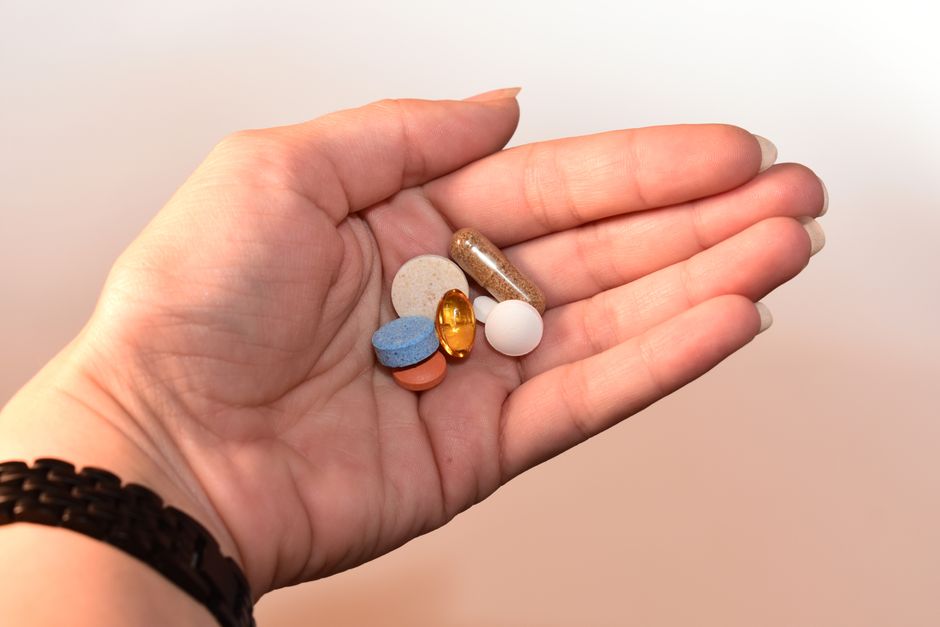
A DOT physical does not include a drug test. They are two separate requirements under federal rules, and confusing them is one of the most common misunderstandings among commercial drivers. The physical is a medical fitness exam. Drug testing is a separate process with its own rules, its own paperwork, and its own consequences.
Does a DOT Physical Include a Drug Test?
No. The medical examiner who performs your DOT physical is not testing your urine for drugs as part of that exam. The physical is designed to determine whether you meet the federal medical fitness standards to safely operate a commercial motor vehicle.
The confusion likely comes from the fact that both the physical and drug testing fall under the same federal umbrella — the Federal Motor Carrier Safety Administration, or FMCSA. But they are distinct requirements with different purposes, different providers, and different reporting chains.
During a DOT physical, a medical examiner checks things like:
- Vision and hearing
- Blood pressure
- Heart and lung function
- Neurological function
- Urinalysis — but only to screen for underlying medical conditions like kidney disease or diabetes, not for drugs
That urinalysis is a common source of confusion. A urine sample is collected during many DOT physicals. But the test performed on that sample checks for things like protein, blood, or glucose. It does not screen for marijuana, cocaine, opioids, amphetamines, or any other controlled substance.
What Is the Difference Between a DOT Physical and a DOT Drug Test?
A DOT physical evaluates your medical fitness to drive. A DOT drug test detects the presence of specific drugs in your system. They serve completely different functions and are governed by different parts of the federal regulations.
The physical is required to maintain your medical examiner’s certificate — the card that says you are medically qualified to operate a commercial vehicle. The drug test is required under the FMCSA’s controlled substances and alcohol testing program, which applies to safety-sensitive employees in the transportation industry.
The drug test itself typically involves a urine sample collected at a certified collection site. The sample is split into two portions — a primary specimen and a split specimen. If the primary specimen tests positive, the employee can request that the split specimen be tested by a different laboratory. This is part of the due process built into the federal testing program.
Testing is required in several situations:
- Pre-employment (before the driver performs safety-sensitive functions)
- Random selection throughout the year
- Reasonable suspicion, based on specific, documented observations by a trained supervisor
- Post-accident, when certain criteria are met
- Return-to-duty after a violation
- Follow-up testing after a return-to-duty
The physical and the drug test may happen around the same time — sometimes even on the same day at the same facility — but they are separate procedures with separate requirements. A clinic offering both does not mean the physical includes the drug test.
Can a Medical Examiner Order a Drug Test During a Physical?
A medical examiner can require a drug test as part of the physical exam in certain limited circumstances. If the examiner has a specific medical reason — for example, evaluating a driver who appears impaired or who reports using a medication that affects safety — they may order testing. But this is not routine and not part of the standard physical.
The more common scenario is that an employer schedules both the physical and the pre-employment drug test at the same appointment for convenience. The driver fills out separate forms, provides a urine sample for the drug test at a certified collection site, and undergoes the physical exam separately. The two results go to different places through different processes.
It is also worth understanding that the FMCSA has specific rules about what a medical examiner can and cannot do. The examiner’s role is to assess medical fitness. The drug testing program operates under its own set of regulations, including strict chain-of-custody procedures that do not apply to the physical exam.

What Does a DOT Drug Test Actually Screen For?
The standard DOT drug test screens for five classes of substances. This panel is set by federal regulation and applies across the transportation industry.
- Marijuana (THC metabolites)
- Cocaine metabolites
- Amphetamines, including methamphetamine and MDMA
- Opioids, including codeine, morphine, heroin, and semi-synthetic opioids like hydrocodone and oxycodone
- Phencyclidine (PCP)
The test does not screen for alcohol. Alcohol testing is a separate part of the FMCSA program and is typically done through breath or saliva testing, not urine.
The test also does not screen for synthetic opioids like fentanyl or for prescription medications that are not in the five tested classes. This is a point that surprises many people. The federally mandated panel is specific and limited.
Marijuana deserves particular attention because it is the most commonly detected substance in DOT testing, and because state-level legalization has created widespread confusion. Federal law still prohibits marijuana use for safety-sensitive transportation employees, regardless of state law. A medical marijuana recommendation from a state-licensed physician does not change this. The DOT does not recognize medical marijuana as a valid medical explanation for a positive test.
What Happens If You Test Positive on a DOT Drug Test?
A positive DOT drug test has serious consequences. The employee is immediately removed from safety-sensitive functions — meaning they cannot drive a commercial vehicle. Before returning to any safety-sensitive position, the employee must be evaluated by a substance abuse professional (SAP), complete any recommended education or treatment, and pass a return-to-duty drug test.
After returning to duty, the employee is subject to follow-up testing. The number of follow-up tests and the time period are determined by the SAP, but federal rules require at least six follow-up tests in the first 12 months after return to duty. Some SAPs require more.
Refusing to take a required drug test is treated the same as a positive result under federal rules. This includes leaving the collection site before the test is complete without a valid reason, or failing to show up for a random test.
It is important to understand that a positive drug test is a federal violation with a defined process. It is not a criminal charge in itself, but the consequences for a commercial driver’s career can be significant and immediate.
Does a DOT Physical Check for Alcohol or Other Substances?
A DOT physical does not include alcohol testing. The medical examiner may ask about your alcohol use as part of the medical history, and heavy alcohol use can affect your medical certification if it relates to a diagnosable condition. But no breath, blood, or urine alcohol test is performed as part of the physical itself.
The examiner will ask about prescription medications you take. This is not drug testing — it is a safety assessment. Certain medications, including some pain medications, muscle relaxants, and sleep aids, can impair driving ability. The examiner needs to know about them to determine whether you can safely operate a commercial vehicle.
Having a prescription for a medication does not automatically disqualify you. The question is whether the medication or the underlying condition it treats interferes with your ability to drive safely. This is a clinical judgment made by the examiner, not a drug test result.
How Often Are DOT Physicals and Drug Tests Required?
A DOT physical is typically valid for up to 24 months for drivers who meet all the medical standards without any special monitoring requirements. Drivers with certain conditions — such as high blood pressure that requires monitoring, or diabetes managed with certain medications — may receive a certificate valid for a shorter period, such as 12 months or even 3 months, depending on the examiner’s assessment.
Drug testing does not follow a fixed schedule. Pre-employment testing happens once before you start. Random testing continues throughout your employment. The FMCSA requires that a certain percentage of the average number of driver positions be randomly tested each year for drugs and alcohol, though the specific percentages can change from year to year based on reported violation rates.
Post-accident testing depends on the circumstances of the accident. Return-to-duty and follow-up testing apply only after a violation.
The key point is that the physical and the drug test operate on entirely different schedules for entirely different reasons. One is about medical fitness. The other is about detecting substance use in a safety-sensitive workforce.
Frequently Asked Questions
Does a DOT physical include a drug test?
No, a DOT physical does not include a drug test. The physical is a medical fitness exam, and any urine sample collected during it is tested for medical conditions, not drugs.
Can I refuse a DOT drug test?
Refusing a required DOT drug test is treated the same as a positive result under federal rules. You will be removed from safety-sensitive duties and must complete the return-to-duty process before driving again.
Does a DOT drug test check for marijuana?
Yes, the standard DOT drug test panel includes marijuana. Federal law prohibits marijuana use for safety-sensitive transportation employees regardless of state law or medical marijuana status.
How long is a DOT physical good for?
A DOT physical certificate is typically valid for up to 24 months. Drivers with certain medical conditions may receive a certificate valid for a shorter period, such as 12 months or less.
