
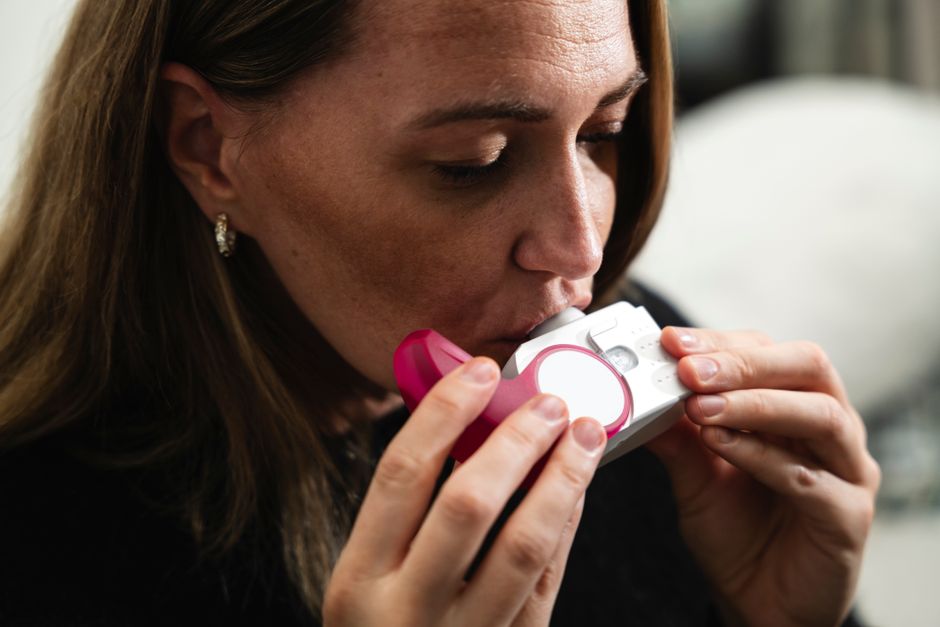
If you have ever wondered whether a shortness of breath or a persistent cough could be asthma, you are not alone. Quick online quizzes that ask “Do you have asthma?” are popular, but they cannot replace a medical diagnosis. The short answer is that these quizzes can help you recognize symptoms, but they are not a reliable tool to confirm or rule out asthma.
How Accurate Are Online Asthma Quizzes?
Online asthma quizzes vary widely in quality. Some are created by reputable medical organizations like the American Lung Association. Others are made by websites with no medical background. Research published in the journal BMC Pulmonary Medicine found that many online symptom checkers, including asthma quizzes, only provide accurate diagnoses about 30-40% of the time. That means they miss the mark more often than they hit it. A quiz might tell you that you likely have asthma when you actually have something else, like vocal cord dysfunction or acid reflux. It might also tell you that you are fine when you have mild asthma that needs treatment. The accuracy depends entirely on the questions asked and the algorithm behind them. Most quizzes ask about common symptoms like wheezing, coughing, chest tightness, and shortness of breath. But these same symptoms can come from many other conditions. A good quiz will ask about triggers, timing, and family history. Even the best quiz is only a screening tool, not a diagnostic test.
What Symptoms Do Asthma Quizzes Usually Ask About?
Most asthma quizzes focus on a set of core symptoms. These include wheezing, which is a high-pitched whistling sound when you breathe out. They ask about coughing, especially at night, during exercise, or when you laugh. Chest tightness is another common question. Shortness of breath, particularly after physical activity or exposure to triggers, is almost always included. Quizzes also typically ask whether these symptoms get worse at night or early in the morning. Some quizzes ask about triggers like pollen, dust, pet dander, cold air, or exercise. They may ask if you have a family history of asthma or allergies. A few quizzes ask about how often you use rescue inhalers or whether you have been diagnosed before. The problem is that these questions are too broad. For example, a cough that only happens at night could be asthma. It could also be postnasal drip from allergies or even heartburn. A good doctor will ask follow-up questions to narrow things down. A quiz cannot do that. If you answer yes to several of these symptom questions, it is a signal to see a doctor. It is not a diagnosis.
Can an Asthma Quiz Replace a Doctor’s Diagnosis?
No. An online quiz cannot and should not replace a doctor’s diagnosis. Asthma is diagnosed through a combination of medical history, physical exam, and lung function tests. The most common test is spirometry, which measures how much air you can breathe out and how fast. According to the National Heart, Lung, and Blood Institute, spirometry is the gold standard for diagnosing asthma. A doctor will also listen to your lungs with a stethoscope and ask detailed questions about your symptoms. They might do a bronchial challenge test, where you inhale a substance that narrows airways if you have asthma. They may also test for allergies. An online quiz does none of these things. It cannot measure your lung function. It cannot listen to your breathing. It cannot rule out other conditions that mimic asthma, such as chronic obstructive pulmonary disease (COPD), bronchitis, or anxiety-related hyperventilation. Relying on a quiz alone can lead to delayed treatment for the real problem, or unnecessary worry about asthma that you do not have.




What Does the Research Say About Self-Diagnosis?
Studies have found that self-diagnosis of asthma is unreliable. Research from the University of Edinburgh showed that about one-third of adults who thought they had asthma actually did not have it when tested with spirometry. Another study in the Journal of Asthma found that over half of people who self-diagnosed their asthma based on symptoms alone were wrong. The reverse is also true. Many people with asthma do not recognize their symptoms. They may think their cough is just a cold that lingers, or that their shortness of breath is from being out of shape. This is called underdiagnosis, and it is common. The World Health Organization estimates that asthma is underdiagnosed in many parts of the world. Online quizzes can help raise awareness, but they are not a substitute for proper testing. The evidence is clear: symptom-based screening without objective lung function testing leads to both overdiagnosis and underdiagnosis. If you take a quiz and it says you might have asthma, that is a reason to see a doctor. If it says you do not have asthma but you still have symptoms, you should also see a doctor.
When Should You See a Doctor Instead of Taking a Quiz?
You should see a doctor if you have any of the following signs. First, if you have repeated episodes of wheezing, coughing, or shortness of breath that do not go away. Second, if your symptoms wake you up at night. Third, if your symptoms are triggered by exercise, cold air, or exposure to allergens. Fourth, if you have ever had a severe breathing attack that required emergency care. Fifth, if you have a family history of asthma or allergies. These are all strong signals that you need a medical evaluation, not just an online quiz. Some symptoms are urgent and require immediate medical attention. If you have sudden severe shortness of breath, blue lips or fingernails, or chest pain, call 911. Do not take a quiz. Do not wait. Quick online quizzes are for people who are curious about mild, intermittent symptoms. They are not for emergencies.
| Symptom | When to See a Doctor | When to Call 911 |
|---|---|---|
| Wheezing | Occurs more than once a week | Severe, constant wheezing with difficulty speaking |
| Coughing | Lasts longer than 3 weeks | Coughing with choking or inability to breathe |
| Shortness of breath | Happens during mild activity or at rest | Sudden, severe, and not improving |
| Chest tightness | Feels like pressure, not pain | Sharp pain or crushing sensation |
| Night symptoms | Wakes you up more than 2 nights per month | Wakes you up gasping for air |
What Should You Do If an Asthma Quiz Says You Might Have It?
If an online asthma quiz suggests you might have asthma, take it as a starting point. Do not panic. Do not buy an inhaler online. Do not start avoiding exercise. Instead, schedule an appointment with your primary care doctor. Keep a symptom diary for a week before your visit. Write down when symptoms happen, what you were doing, and how long they lasted. Note any triggers you suspect. Bring this diary to your appointment. Your doctor will likely perform a spirometry test. This test is painless and takes about 15 minutes. You breathe into a tube connected to a machine that measures your lung function. If the test shows airway obstruction that improves with a bronchodilator, asthma is likely. Your doctor may also order allergy tests or a chest X-ray to rule out other conditions. If you are diagnosed with asthma, treatment usually involves a combination of quick-relief inhalers and long-term control medications. Your doctor will create a plan tailored to your symptoms and triggers. Do not rely on a quiz to tell you what medication to take. Only a doctor can prescribe the right treatment for your specific case.
- Do not self-treat. Over-the-counter inhalers are not recommended for asthma. They can be dangerous if used incorrectly.
- Do not ignore symptoms. Even mild asthma can worsen over time without proper management.
- Do not assume a negative quiz means you are fine. If you have symptoms, see a doctor regardless of what a quiz says.
- Do use a quiz as a conversation starter. It can help you describe your symptoms to your doctor more clearly.
Frequently Asked Questions
Can I trust an online asthma quiz to diagnose me?
No. Online quizzes are screening tools, not diagnostic tests. Only a doctor can diagnose asthma after a physical exam and lung function testing.
What is the most accurate way to test for asthma?
Spirometry is the most accurate and commonly used test. It measures how much air you can exhale and how fast, which helps doctors confirm asthma.
How many people are misdiagnosed by online symptom checkers?
Studies suggest that online symptom checkers provide the correct diagnosis only about 30-40% of the time, meaning misdiagnosis is very common.
Should I take an asthma quiz if I have no symptoms?
There is no benefit. Quizzes are designed for people with symptoms. If you have no symptoms, you do not need screening for asthma.
