
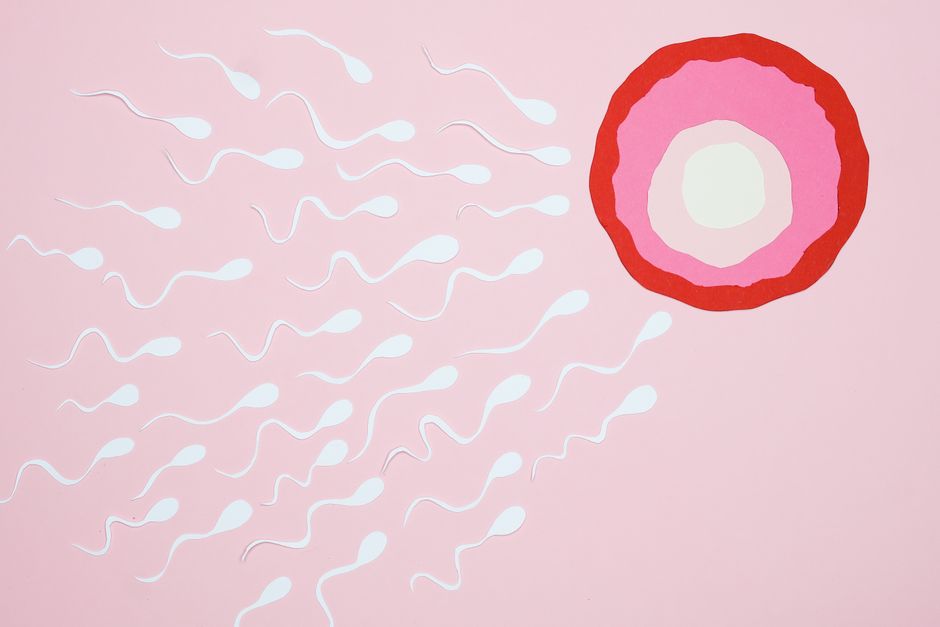
Bloating before ovulation is a real, common experience for many women, and it is directly linked to the hormonal shifts that prepare the body for a potential pregnancy. While it is not a universal symptom, the sudden rise in estrogen that occurs just before the egg is released can cause the body to retain water and gas, leading to that uncomfortable, full feeling. This type of bloating is typically short-lived, usually resolving within a day or two after ovulation completes.
Why Do You Get Bloated Before Ovulation?
The primary driver is estrogen. In the days leading up to ovulation, estrogen levels surge to their peak. This hormonal spike is a normal, healthy part of the menstrual cycle, but it has a side effect: it can cause the body to hold onto sodium and water.
This water retention is the most common cause of pre-ovulation bloating. The body is essentially holding extra fluid in the tissues, which creates that swollen, heavy sensation in the abdomen. It is the same mechanism that causes bloating in the days before a period, but the timing is different because the hormone peaks are different.
Some research also suggests that the changing levels of luteinizing hormone (LH) and follicle-stimulating hormone (FSH) can influence digestion. These hormones can slow down the gastrointestinal tract, leading to a buildup of gas. The combination of extra water and slower digestion makes the abdomen feel distended and tight.
When Does Ovulation Bloating Start and How Long Does It Last?
Ovulation typically occurs in the middle of the menstrual cycle. For a standard 28-day cycle, that is around day 14. The bloating you feel before ovulation usually begins a few days before that, often around day 10 or 11.
The duration is short. Because the estrogen surge is brief, the water retention and bloating usually peak right around the day of ovulation itself. Once the egg is released, estrogen levels drop quickly, and the body begins to shed the extra fluid. Most women find that the bloating resolves within 24 to 48 hours after ovulation.
This is a key difference from premenstrual bloating, which can start a week or more before a period and last until menstruation begins. If your bloating follows the shorter, mid-cycle pattern, it is much more likely to be tied to ovulation.
Is It Ovulation Bloating or Something Else?
Ovulation bloating is usually mild and accompanied by other recognizable signs. Many women also notice a change in cervical mucus, which becomes clear and stretchy, similar to raw egg whites, around this time. Some feel a sharp twinge or dull ache on one side of the lower abdomen, known as mittelschmerz, which is the sensation of the follicle releasing the egg.
However, bloating can be caused by many other things. Diet is a major factor. Eating foods high in salt, refined carbohydrates, or artificial sweeteners can cause water retention and gas that has nothing to do with your cycle. Swallowing air while eating quickly or drinking carbonated beverages can also cause temporary distension.
If the bloating is severe, painful, or accompanied by other symptoms, it may not be ovulation. Conditions like irritable bowel syndrome (IBS), ovarian cysts, or even early pregnancy can cause similar sensations. A key distinction is that ovulation bloating is typically mild and passes quickly. If your stomach is hard, painful to the touch, or the bloating persists for more than a few days, it is worth discussing with a healthcare provider.





Can You Use Bloating to Track Ovulation?
You can use it as a secondary sign, but it should not be your primary method of tracking. The problem is that bloating is not a precise indicator. It can be triggered by food, stress, or other hormonal fluctuations, making it unreliable on its own.
For accurate tracking, the most established methods are:
- Basal body temperature (BBT): Your temperature rises slightly after ovulation and stays elevated until your next period.
- Cervical mucus monitoring: The clear, stretchy mucus that appears right before ovulation is a strong signal of the fertile window.
- Ovulation predictor kits (OPKs): These detect the surge in luteinizing hormone that happens 24 to 36 hours before the egg is released.
If you notice you get bloated before ovulation, you can log it in a tracking app. Over several months, you may see a pattern that aligns with your other fertility signs. But treat it as a supporting clue, not a definitive signal.
What Actually Helps Reduce Ovulation Bloating?
The bloating is temporary, so the main goal is comfort until your hormone levels settle. There is no treatment that stops the natural estrogen surge, but you can help your body process the extra fluid and gas more efficiently.
Hydration is the most effective step. It may seem counterintuitive to drink more water when you feel bloated, but staying hydrated helps your kidneys flush out the excess sodium that is causing the water retention. Reducing your salt intake for a few days around ovulation also helps prevent the body from holding onto even more fluid.
Gentle movement can also make a difference. A short walk or light stretching helps stimulate the digestive tract and can relieve trapped gas. Some women find that avoiding gas-producing foods like beans, broccoli, and cabbage during the few days before ovulation reduces the severity of the bloat.
Potassium-rich foods, such as bananas and avocados, can help balance sodium levels in the body. There is no clinical evidence that any specific supplement eliminates ovulation bloating, so be cautious of products marketed for this purpose. The most reliable approach is the basic one: water, low salt, and movement.
When Should You See a Doctor About Bloating?
Occasional bloating that comes and goes with your cycle is normal. You do not need to see a doctor for mild, predictable bloating that resolves on its own.
You should seek medical advice if the bloating is severe enough to interfere with daily activities, if it is accompanied by significant pain, or if it does not go away after ovulation. Bloating that lasts for weeks, or that is not related to your cycle at all, warrants a check-up.
Sudden, severe abdominal pain with bloating can be a sign of a medical emergency, such as a ruptured ovarian cyst or appendicitis. If you have intense pain, fever, vomiting, or fainting, seek immediate medical attention. These are not normal symptoms of ovulation.
Tracking your symptoms for a few cycles can give you and your doctor a clearer picture. If the bloating happens every month and follows the same pattern, it is likely hormonal. If it is erratic and unrelated to your cycle, the cause may be dietary or gastrointestinal.
Frequently Asked Questions
How many days before ovulation does bloating start?
Bloating typically starts two to three days before ovulation, when estrogen levels are at their highest. The exact timing varies from woman to woman and cycle to cycle.
Does ovulation bloating feel different from period bloating?
Yes, the sensation is similar but the timing and duration differ. Ovulation bloating is shorter, usually lasting one to two days, while period bloating can last a week or more.
Can bloating be a sign that ovulation is approaching?
It can be a secondary sign, but it is not reliable on its own. Bloating is best used alongside other markers like cervical mucus changes and basal body temperature.
Is it normal to have bloating for a week before ovulation?
No, that is less common. The estrogen surge that causes this type of bloating is brief, so bloating persisting for a full week is more likely related to diet, digestion, or another underlying condition.
