
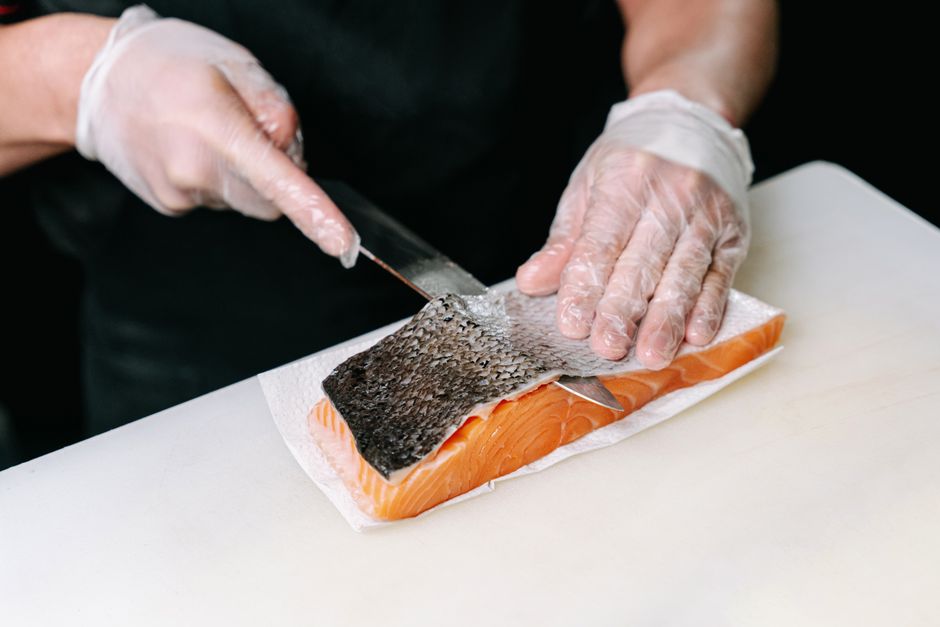
Yes, you can absolutely eat salmon skin, and for most people, it is safe and nutritious. The skin is rich in healthy fats, especially omega-3 fatty acids, and contains a good amount of protein. The real question is not whether you *can* eat it, but whether you *should* — and that depends entirely on how the salmon was caught, how it was prepared, and your personal health needs. Let’s look at what the evidence actually says, without the hype.
Is Salmon Skin Safe to Eat?
For most healthy adults, salmon skin is safe to eat. The skin contains many of the same nutrients as the flesh, including omega-3s, vitamin D, and B vitamins. The main concern is contamination. Salmon can absorb pollutants like PCBs (polychlorinated biphenyls) and dioxins from the water they live in. These toxins tend to accumulate in fatty tissues — and the skin is fatty.
Research published by the Environmental Working Group has shown that farmed salmon can have higher levels of these contaminants than wild-caught salmon. The difference matters. If you eat salmon skin regularly, opting for wild-caught Alaskan salmon is the safer choice. The FDA and EPA have not issued specific warnings against eating salmon skin, but they do recommend limiting intake of high-mercury fish. Salmon is low in mercury, so that is not a major concern here.
One practical point: if the skin tastes bitter or chemical-like, do not eat it. That taste can signal poor handling or rancid fats. Fresh, properly stored salmon skin should taste mild and clean.
What Are the Health Benefits of Eating Salmon Skin?
Salmon skin is a concentrated source of omega-3 fatty acids, specifically EPA and DHA. The American Heart Association recommends eating two servings of fatty fish per week for heart health. Eating the skin adds to that benefit. A 100-gram serving of salmon with skin contains roughly 2-3 grams of omega-3s, depending on the species and diet of the fish.
The skin is also high in protein. One study in the Journal of Food Science found that salmon skin contains about 20 grams of protein per 100 grams. That is comparable to the flesh. Protein helps with muscle repair, immune function, and satiety.
Another benefit is collagen. Salmon skin is rich in collagen type I, which supports skin elasticity, joint health, and bone strength. Collagen supplements are popular, but eating the skin directly provides the same amino acids in a whole-food form. Some people report improved skin texture after adding salmon skin to their diet, though clinical evidence on this specific claim is limited.
Does Do You Eat Salmon Skin Affect Your Health Risks?
The main risk is not from the skin itself, but from what is in it. Contaminants like PCBs and dioxins are stored in fat. Salmon skin has a higher fat content per gram than the flesh, so it can concentrate these toxins. A 2014 study in the journal Environmental Research found that farmed salmon had PCB levels about five times higher than wild-caught salmon. The skin contributed significantly to that load.
For most people, eating salmon skin a few times per month poses minimal risk. The benefits of omega-3s and protein likely outweigh the potential harm. However, for pregnant women, nursing mothers, and young children, the calculation is different. These groups are more vulnerable to the effects of environmental toxins. The FDA advises these groups to eat 2-3 servings of low-mercury fish per week, but they do not specifically address skin. A cautious approach would be to remove the skin or limit it to wild-caught sources.
Another risk is foodborne illness. Raw or undercooked salmon skin can harbor bacteria and parasites. The CDC reports that raw fish consumption is a common cause of foodborne illness in the US. Cooking salmon to an internal temperature of 145°F kills most pathogens. If you eat crispy salmon skin from a properly cooked fillet, the risk is very low.





How Should You Prepare Salmon Skin?
The best way to eat salmon skin is crispy and fully cooked. Pan-searing is the most common method. Place the fillet skin-side down in a hot pan with a little oil. Cook for 4-6 minutes without moving it. The skin will crisp up and become golden. Flip and finish cooking the flesh side. This method produces a crunchy texture that most people enjoy.
Baking and air-frying also work well. For baking, place the fillet skin-side down on a parchment-lined sheet at 400°F for 12-15 minutes. For air-frying, cook at 375°F for 8-10 minutes. The skin becomes crispy without needing much oil.
Some people remove the skin and fry it separately as a snack. This is common in Japanese cuisine, where salmon skin is served as a side dish or in sushi rolls. If you do this, season lightly with salt and pepper. Avoid heavy sauces or batters that add calories and mask the natural flavor.
One thing to avoid: eating salmon skin that is soft, slimy, or has an off smell. These are signs of spoilage. Fresh salmon skin should feel firm and look bright. If it looks dull or has a grayish tint, discard it.
What Does the Research Say About Salmon Skin and Inflammation?
Omega-3 fatty acids are well-known for their anti-inflammatory effects. The EPA and DHA in salmon skin can reduce markers of inflammation like C-reactive protein. A meta-analysis published in the American Journal of Clinical Nutrition found that omega-3 supplementation lowered CRP levels by about 10-15%. Eating salmon with skin provides these fats in a natural matrix that also includes antioxidants like astaxanthin.
Astaxanthin is a carotenoid pigment that gives salmon its pink color. It is a potent antioxidant. Research in the Journal of Clinical Biochemistry and Nutrition found that astaxanthin can reduce oxidative stress and support immune function. The skin contains higher concentrations of astaxanthin than the flesh because the pigment is stored in the skin and fat layers.
However, the anti-inflammatory effect is modest. Eating salmon skin alone will not reverse chronic inflammation. It works best as part of a diet rich in whole foods, vegetables, and other anti-inflammatory compounds. The evidence supports eating salmon skin as a healthy choice, not as a treatment for any condition.
| Nutrient | Salmon Flesh (100g) | Salmon Skin (100g) |
|---|---|---|
| Omega-3s (EPA+DHA) | 2.2 g | 2.8 g |
| Protein | 20 g | 19 g |
| Vitamin D | 570 IU | 480 IU |
| Astaxanthin | 3-4 mg | 6-8 mg |
| Collagen | Low | High |
Approximate values based on data from the USDA FoodData Central and published research.
What Are Common Misconceptions About Salmon Skin?
A common myth is that salmon skin is unhealthy because it is high in fat. The fat in salmon skin is mostly unsaturated, including omega-3s. Saturated fat is low. The American Heart Association has stated that the type of fat matters more than the total amount. The fat in salmon skin is beneficial for heart health, not harmful.
Another misconception is that you must remove the skin to avoid toxins. As discussed, the risk is real but manageable. Choosing wild-caught salmon and eating skin in moderation reduces exposure. Completely avoiding the skin means missing out on nutrients like collagen and astaxanthin that are harder to get from other foods.
Some people believe that salmon skin is indigestible. This is not true. Cooked salmon skin breaks down in the digestive tract just like other animal proteins. The collagen in the skin is easy to digest. If you have a sensitive stomach, start with a small amount and see how you feel. Most people tolerate it well.
Finally, there is a belief that all farmed salmon skin is unsafe. This is an oversimplification. Some farmed salmon is raised in cleaner conditions with lower contaminant levels. Look for salmon labeled as “farmed in the US” or “farmed with responsible practices.” The Monterey Bay Aquarium Seafood Watch program provides guidance on which sources are best.
Frequently Asked Questions
Can you eat salmon skin raw?
Eating raw salmon skin is not recommended due to the risk of bacteria and parasites. Always cook salmon skin to an internal temperature of 145°F.
Is salmon skin high in mercury?
No, salmon is a low-mercury fish. The skin does not concentrate mercury significantly. This is not a concern for most people.
Does salmon skin have more calories than the flesh?
Yes, salmon skin is slightly higher in calories due to its fat content. A serving of skin adds about 30-50 extra calories compared to the same weight of flesh.
Can you eat salmon skin if you have high cholesterol?
Yes, for most people. The unsaturated fats in salmon skin can improve your cholesterol profile. Consult your doctor if you have specific dietary restrictions.
