
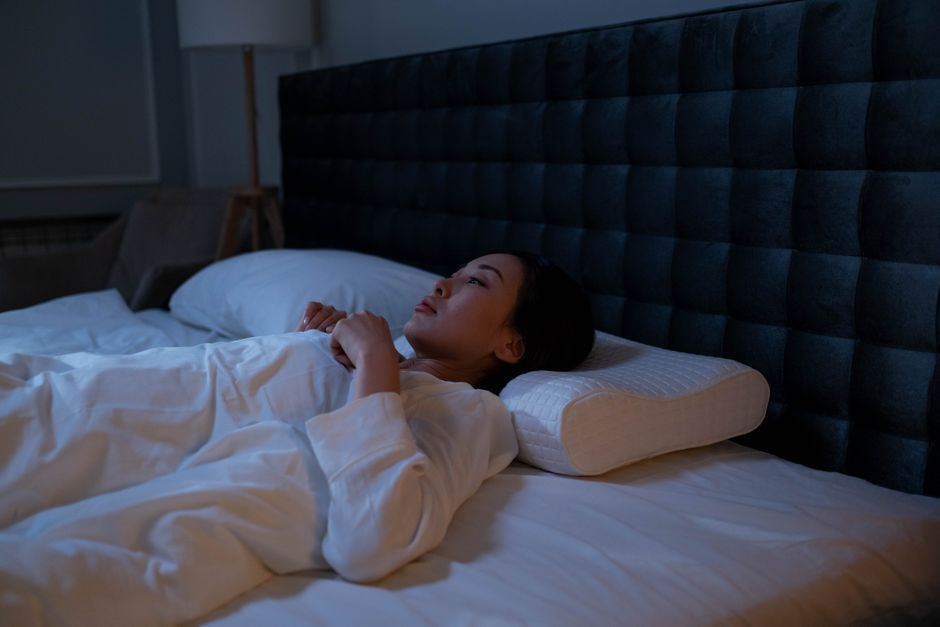
Yes, on the second Sunday of March, most of the United States springs forward. This means you lose one hour of sleep tonight. The shift to Daylight Saving Time begins at 2:00 a.m. local time. At that moment, clocks jump to 3:00 a.m., and your night becomes an hour shorter.
Why Does the Clock Change and What Causes the Lost Hour?
Daylight Saving Time is not a natural event. It is a policy decision. The idea is to move an hour of daylight from the morning to the evening. In the spring, we set clocks forward. In the fall, we set them back.
This shift means your body has to adjust to a new schedule overnight. The change is small in terms of absolute time. But it can disrupt your internal clock more than you might expect.
Your body runs on a roughly 24-hour cycle called the circadian rhythm. This rhythm is guided by light and darkness. When you suddenly change the clock, your daily routine shifts before your body is ready. It is similar to mild jet lag, but you did not travel anywhere.
How Much Sleep Do You Actually Lose Tonight?
You lose exactly one hour of clock time. But the real sleep loss can be different. If you go to bed at your usual time, you will get one hour less of sleep. However, many people do not fall asleep right away. They may lie awake longer because their body still feels like it is earlier.
Some people lose more than one hour of actual sleep. Others may lose less. If you usually wake up before your alarm, you might only lose part of that hour. The true impact depends on your sleep habits and how sensitive your body is to schedule changes.
Research consistently shows that the average person gets about 40 minutes less sleep on the night after the spring transition. This is not a guess. Studies that track sleep with devices have measured this reduction across large groups of people.
What Does Losing an Hour of Sleep Do to Your Body?
One night of short sleep has real effects. You may feel tired, irritable, or less focused the next day. Reaction times slow down. Memory and concentration take a hit. For most healthy adults, these effects fade within a few days.
But the impact can be more serious than just feeling groggy. Studies have found a small increase in heart attacks and strokes in the days after the spring time change. The exact reason is not fully understood. It likely involves a combination of sleep loss and the sudden shift in the body’s internal clock.
Car accidents also rise slightly after the spring transition. This is probably linked to drowsy driving. People are driving with less sleep than usual, and their reaction times are slower.
These risks are real but small for any individual. The overall increase in population-level risk is modest. Still, it is worth taking the transition seriously, especially if you already have health conditions.





How Long Does It Take to Adjust to the Time Change?
Most people adjust within a few days. Some studies suggest it takes about one week for the body to fully sync with the new schedule. During this period, you may feel off. Your energy levels may dip in the afternoon. Your sleep may feel less refreshing.
The adjustment is not just about the lost hour. It is about the timing of light exposure. Your body uses morning light to set its internal clock. After the spring change, the sun rises later relative to your schedule. This makes it harder for your brain to wake up naturally.
Your evening routine matters too. In the days after the change, it gets dark later. This can delay the release of melatonin, the hormone that helps you feel sleepy. You may find it harder to fall asleep at your usual bedtime for a few nights.
What Can You Do to Make the Transition Easier?
You cannot avoid the clock change. But you can reduce its impact. The goal is to help your body adjust faster and lose as little real sleep as possible.
Start adjusting a few days before the change. Go to bed 15 to 20 minutes earlier each night for three or four nights before the transition. This small shift can make the one-hour jump feel less abrupt.
Get bright light early in the morning after the change. Go outside within an hour of waking. Natural sunlight is the strongest signal your body uses to reset its internal clock. Even a 15-minute walk can help.
Avoid bright light in the evening. This is especially important in the days after the change. Dim your screens and lights an hour before bed. This helps your body produce melatonin at the right time.
Keep a consistent wake-up time. Do not sleep in on the weekend after the change. A regular wake time helps anchor your circadian rhythm. It may be tempting to catch up on sleep, but a consistent schedule works better.
Limit caffeine and alcohol in the days around the change. Caffeine can interfere with sleep if consumed too late in the day. Alcohol can disrupt sleep quality even if it helps you fall asleep faster.
Should You Nap the Day After the Time Change?
A short nap can help. Keep it under 20 minutes. Longer naps can leave you feeling groggy and may interfere with your ability to fall asleep that night.
The best time for a nap is early afternoon. Napping too late in the day can push your bedtime later. This can make the adjustment take longer.
If you feel extremely tired, a nap is better than pushing through with caffeine. But do not rely on napping to fix the problem. The real fix is getting back to a consistent sleep schedule.
Does the Time Change Affect Everyone the Same Way?
No. Some people barely notice the spring transition. Others feel the effects for a week or more. Your age, chronotype, and general sleep health all play a role.
People who are naturally early risers tend to adjust more easily. Night owls often struggle more with the spring change. This is because the spring shift requires you to wake up earlier relative to your internal clock. For night owls, this is already a challenge.
Children and teenagers can be more affected. Their circadian rhythms are still developing. They may need more time to adjust. Parents often notice that kids are crankier and harder to wake in the days after the change.
If you already have a sleep disorder, the time change can make symptoms worse. People with insomnia or sleep apnea may find the transition more difficult. If you have a chronic sleep condition, it is worth discussing the time change with your doctor.
Is Daylight Saving Time Going Away?
There is ongoing debate about whether to end the clock changes. Several states have passed legislation to make Daylight Saving Time permanent. But these laws require federal approval to take effect. As of now, the time change still happens twice a year in most of the United States.
The debate is not just about convenience. Some research suggests that the spring transition has negative health effects. These include the small increases in heart attacks and accidents mentioned earlier. Some studies also link the shift to more workplace injuries and medical errors in the days after the change.
Supporters of permanent Daylight Saving Time argue that evening light is better for public health. They point to increased physical activity in the evening hours. Opponents argue that permanent Standard Time is better for sleep. They note that morning light is important for setting the body’s clock.
No federal law has changed the current system. For now, you will still need to spring forward each March. The best strategy is to plan for it and protect your sleep in the days around the change.
Frequently Asked Questions
Do we lose an hour of sleep tonight?
Yes, you lose one hour of clock time tonight. The average person gets about 40 minutes less actual sleep, though this varies by individual.
What time do the clocks change tonight?
Clocks spring forward at 2:00 a.m. local time. At that moment, they jump to 3:00 a.m., making the night one hour shorter.
How long does it take to recover from losing an hour of sleep?
Most people adjust within a few days. Full adjustment typically takes about one week as your body’s internal clock syncs with the new schedule.
Can I do anything to prepare for the time change?
Yes, shift your bedtime 15 to 20 minutes earlier for a few nights before the change. Get bright light exposure in the morning after the transition to help reset your body clock.
