
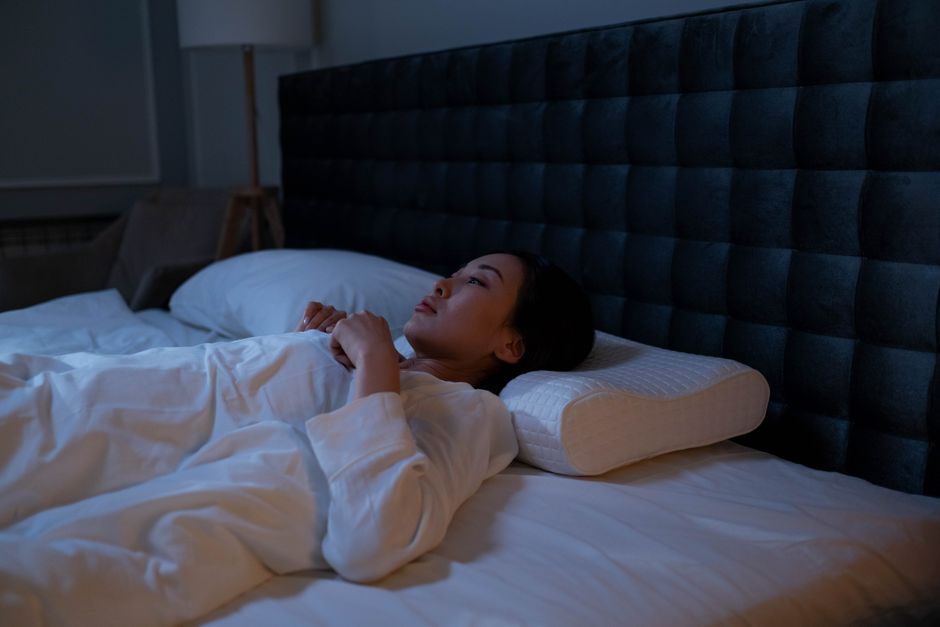
Sleep apnea can be treated effectively, and for many people it can be brought under control. But “getting rid of it” depends entirely on which type you have and what is causing it. Some forms can be resolved completely with surgery or by addressing a structural problem. The most common type, obstructive sleep apnea, is usually managed rather than cured — meaning treatment controls it, but stopping treatment often brings symptoms back.
What Is Sleep Apnea and Why Does It Happen?
Sleep apnea is a condition where your breathing repeatedly stops or becomes very shallow during sleep. These pauses can last from a few seconds to over a minute and may happen dozens or even hundreds of times a night.
There are two main types. Obstructive sleep apnea (OSA) is by far the most common. It happens when the soft tissue in the back of your throat collapses and blocks your airway. Central sleep apnea is different — the airway stays open, but your brain fails to send the signal that tells your muscles to breathe. A third category, complex sleep apnea, involves features of both.
The mechanics of OSA are well understood. When you fall asleep, the muscles that hold your throat open relax. In most people this causes no problem. In someone with OSA, the airway narrows enough that air cannot move freely. Oxygen levels drop. Your brain detects the problem and briefly rouses you — often so briefly you do not remember it — to restore muscle tone and reopen the airway. This cycle can repeat all night.
That repeated cycle is why the daytime symptoms happen. Fragmented sleep and repeated oxygen drops leave you exhausted even after eight hours in bed.
Can You Get Rid Of Sleep Apnea Permanently?
For some people, yes. For most, the more accurate word is “controlled.”
Obstructive sleep apnea caused by a correctable structural problem — enlarged tonsils, certain jaw shapes, nasal blockages — can sometimes be resolved with surgery. When the anatomical cause is fixed and nothing else is contributing, breathing during sleep may return to normal.
Weight-related OSA is a different story. Excess weight around the neck and throat narrows the airway. Significant weight loss can reduce severity substantially, and in some cases eliminate it. But this is not guaranteed, and results vary widely between individuals. Some people lose a large amount of weight and still have OSA. Others see major improvement with modest loss.
For the majority of people with OSA, the condition is chronic. Treatment works well. Stopping treatment usually means symptoms return. That is not a failure — it is simply how the condition behaves. Think of it the way you would think of high blood pressure: managed, not erased.
Central sleep apnea is a separate situation. It is often linked to heart failure, stroke, or certain medications. Treating the underlying condition sometimes resolves it. In other cases it requires its own specific therapy.
What Are the Treatment Options and How Well Do They Work?
Treatment depends on the type and severity of your apnea, plus your overall health and preferences.
CPAP and Other Positive Airway Pressure Devices
CPAP (continuous positive airway pressure) is the most studied treatment for moderate to severe OSA. A machine delivers a steady stream of air through a mask, keeping the airway open. It does not cure the condition, but when used consistently it controls it effectively.
The catch is adherence. CPAP only works while you are wearing it. Many people find the mask uncomfortable or the airflow difficult to tolerate at first. Research consistently shows that consistent use — not occasional use — is what produces the benefit. If you struggle with CPAP, tell your sleep specialist. Mask fit, pressure settings, and machine type can often be adjusted.
Oral Appliances
These are custom-fitted devices that push the lower jaw forward, which helps keep the airway open. They tend to work best for mild to moderate OSA. They are generally less effective than CPAP for severe cases, but they are easier for some people to tolerate. A dentist trained in sleep medicine typically fits them.
Surgery
Surgical options range from removing tonsils and adenoids to reshaping the soft palate, jaw, or tongue base. Success rates vary considerably depending on the procedure and the individual. Some surgeries have good outcomes for carefully selected patients. Others have more limited and less predictable results. Surgery is usually considered when other treatments have failed or when there is a clear structural cause.
Weight Loss and Lifestyle Changes
For people with overweight or obesity, weight loss is often part of the treatment plan. It can reduce severity. It rarely works as a standalone cure for moderate to severe OSA, but it can make other treatments more effective. Avoiding alcohol close to bedtime and not sleeping on your back can also help some people, particularly those with milder apnea.
Hypoglossal Nerve Stimulation
This is a newer option for certain patients with moderate to severe OSA who cannot tolerate CPAP. An implanted device stimulates the nerve that controls tongue movement, keeping the tongue from blocking the airway. It is not appropriate for everyone, and candidacy depends on specific criteria. Some studies show meaningful improvement in selected patients; long-term data are still developing.





How Do You Know If Treatment Is Working?
You will likely notice changes before any test confirms them. Better daytime alertness, fewer morning headaches, and less irritability are common early signs that treatment is helping.
Your sleep specialist may also repeat a sleep study to measure your apnea-hypopnea index (AHI) — the number of breathing pauses or near-pauses per hour of sleep. An AHI under 5 is considered normal. Mild OSA is typically 5 to 15, moderate is 15 to 30, and severe is above 30. These thresholds are well established in sleep medicine.
If your AHI drops into the normal range on treatment, that is a strong sign it is working. But the number matters less than how you feel and function. Someone with a normal AHI who still feels exhausted may need further evaluation.
What Happens If Sleep Apnea Goes Untreated?
Untreated OSA is not just about feeling tired. It is associated with serious health risks.
Research has consistently linked untreated moderate to severe OSA to higher rates of high blood pressure, heart disease, stroke, and type 2 diabetes. The repeated drops in oxygen and the surges of stress hormones that accompany each breathing pause put strain on the cardiovascular system over time.
Daytime sleepiness also carries real danger. People with untreated OSA are at higher risk of motor vehicle accidents. If you have been diagnosed and are not using your treatment, that risk does not go away.
Central sleep apnea has its own risks, often tied to the underlying heart or neurological condition driving it. Treating the apnea without addressing the root cause rarely works.
Can Sleep Apnea Come Back After Treatment?
Yes, and this is common. If you had surgery and your symptoms return, the airway may have narrowed again over time. If you lost weight and then regained it, the apnea often returns with it. If you stop using CPAP, symptoms typically come back within days to weeks.
This is why follow-up matters. Sleep apnea is not a condition you treat once and forget. Periodic check-ins with your sleep specialist — and repeat sleep studies if symptoms change — help catch recurrence early.
Some people also develop sleep apnea for the first time years after an initial negative study. If your symptoms change or worsen, a repeat evaluation is reasonable.
Is There Anything You Can Do to Prevent Sleep Apnea?
You cannot prevent all sleep apnea. Some risk factors — like certain jaw shapes or a family history — are not under your control.
But some things do reduce risk or slow progression. Maintaining a healthy weight is the most well-supported step. Avoiding smoking and limiting alcohol, especially before bed, also helps. If you have nasal allergies or chronic congestion, treating those may improve breathing at night.
For children, removing enlarged tonsils and adenoids when clinically indicated can resolve OSA in some cases. This is a decision for a pediatric ENT or sleep specialist, not something to pursue on your own.
There is no evidence that any supplement, mouth exercise, or over-the-counter device cures sleep apnea. If a product claims to eliminate sleep apnea without a diagnosis or medical supervision, that claim is not supported by clinical evidence.
When Should You See a Doctor?
If you snore loudly, wake up gasping, feel exhausted despite enough sleep, or have been told you stop breathing at night, see a doctor. These are classic signs of sleep apnea and warrant evaluation.
A sleep specialist can order a sleep study — either in a lab or at home — to confirm the diagnosis and measure severity. From there, you and your doctor can decide on the treatment that fits your situation.
Sleep apnea is manageable. For some, it can be resolved. For most, it can be controlled well enough that it no longer dominates your life. The first step is getting an accurate diagnosis.
Frequently Asked Questions
Can sleep apnea go away on its own?
Mild sleep apnea sometimes improves with weight loss or lifestyle changes, but it rarely disappears without any intervention. Moderate to severe sleep apnea almost always requires treatment to control.
Is CPAP the only way to treat sleep apnea?
No. Oral appliances, surgery, weight loss, and hypoglossal nerve stimulation are also options, depending on the type and severity. CPAP is the most studied and generally the most effective for moderate to severe obstructive sleep apnea.
How long does it take to feel better after starting sleep apnea treatment?
Many people notice improvement in daytime sleepiness within a few days to a few weeks of consistent CPAP use. Full benefits, especially for cardiovascular health, may take longer and depend on how long the apnea went untreated.
Can you cure sleep apnea with weight loss?
Weight loss can reduce sleep apnea severity and sometimes eliminate it in people whose apnea is primarily weight-related. Results vary widely, and many people still need treatment even after significant weight loss.
