
Yes, teeth can move during pregnancy, and it is a real phenomenon with identifiable causes. Shifting teeth are not something you imagined, and they are not a sign that something is going wrong with your pregnancy. The movement is primarily driven by hormonal changes that affect the ligaments holding your teeth in place, combined with common pregnancy-related issues like gum inflammation. Understanding why this happens can help you manage your oral health and know when to see a dentist.
What Causes Teeth to Shift During Pregnancy?
The main reason teeth move during pregnancy comes down to hormones. Your body produces higher levels of progesterone and estrogen to support the pregnancy. These hormones also affect the ligaments and bones throughout your body, including the periodontal ligaments that anchor your teeth to the jawbone.
These ligaments become more relaxed and elastic. Think of it like the same process that loosens joints in your pelvis to prepare for childbirth. The same hormonal effect can make the support structures around your teeth slightly more flexible. This flexibility allows for minor movement that you would not normally experience.
This is not a dramatic shift. We are talking about subtle changes in alignment or small gaps that appear between teeth. It is rarely a large, visible movement that changes your smile overnight, but it can be noticeable to you and to your dentist.
Is It the Same as “Pregnancy Gingivitis”?
No, they are related but not the same. Pregnancy gingivitis is inflammation of the gums, which is extremely common during pregnancy. The increased hormone levels make your gums react more strongly to plaque. Even a small amount of plaque can cause redness, swelling, and bleeding.
This inflammation is a separate issue from tooth movement, but it can contribute to it. When your gums are swollen and inflamed, the supporting bone and tissue around the teeth can become compromised. If gingivitis progresses to periodontitis, which is an infection of the bone and supporting structures, tooth mobility can increase.
So, while hormones directly relax the ligaments, gum disease is a separate and more serious reason teeth may feel loose or shift. Managing gum health is critical during pregnancy, not just for your teeth but because periodontal disease has been linked to adverse pregnancy outcomes in some research.
How Much Movement Is Normal?
There is no simple number to define “normal” movement. The change is usually minor. You might notice that your teeth feel slightly different when you bite down, or that flossing feels tighter or looser between certain teeth. Some women report that their retainer no longer fits properly.
If you are experiencing significant loosening of a tooth, that is not typical. Severe mobility, pain, or movement that changes your bite dramatically warrants a dental evaluation. The mild shifting caused by hormones is one thing. A tooth that feels like it is moving substantially is another.
Most of the time, this minor movement is temporary. After you give birth and your hormone levels return to normal, the ligaments tighten back up. Teeth often settle back into their original positions, though not always completely. Some women find that their teeth remain slightly shifted after pregnancy.





Does Pregnancy Cause Bone Loss in the Jaw?
Pregnancy itself does not directly cause bone loss in the jaw. The concern is that pregnancy can worsen existing gum disease. If you have untreated periodontitis, the inflammation can accelerate bone loss. This is a real risk.
However, for a woman with healthy gums, the hormonal changes alone do not typically cause the jawbone to dissolve. The bone loss associated with periodontal disease is a slow process driven by bacterial infection and the body’s inflammatory response. Pregnancy can amplify this response, but it does not create it from nothing.
This is why the advice to see a dentist before or during early pregnancy is so important. If you have early signs of gum disease, getting it treated can prevent future bone loss and reduce the risk of teeth moving more than they should.
Can You Prevent Teeth From Moving During Pregnancy?
You cannot stop the hormonal effects on your ligaments. That is a natural part of pregnancy. But you can take steps to minimize the factors that make movement worse.
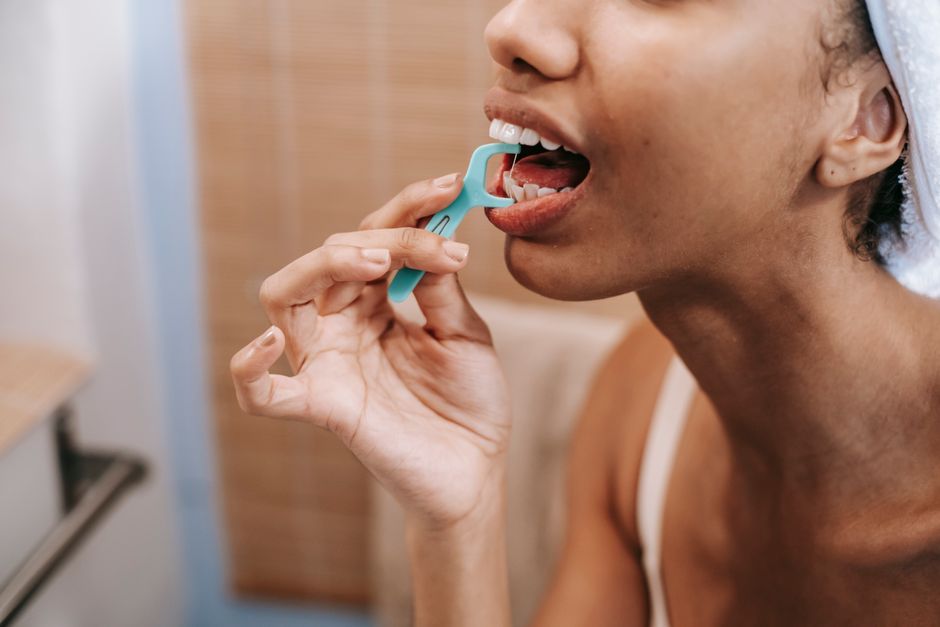
Excellent oral hygiene is the most effective strategy. Brushing twice a day with fluoride toothpaste and flossing daily removes the plaque that triggers inflammation. If your gums are swollen and tender, flossing may be uncomfortable, but it is still necessary. Use a gentle touch and consider a water flosser if traditional floss is too painful.
Regular dental cleanings are also safe and recommended during pregnancy. Inform your dentist that you are pregnant. Routine cleanings and exams are generally considered safe throughout pregnancy. If you need more advanced treatment, your dentist can coordinate care with your obstetrician.
If you wear a retainer or a night guard, continue wearing it. This can help hold your teeth in place against the relaxed ligaments. If it suddenly feels too tight or does not fit, see your dentist. Do not force it.
Will My Teeth Go Back to Normal After Birth?
For many women, yes. Once hormone levels drop after delivery, the ligaments regain their normal firmness. Teeth that shifted slightly may move back toward their original positions. This is not guaranteed, and the degree of return varies from person to person.
Some women are left with permanent minor changes. A small gap may remain, or a tooth may sit slightly rotated. These changes are usually cosmetic and do not affect function. If they bother you, orthodontic treatment after pregnancy can correct them.
It is worth noting that pregnancy does not cause permanent tooth loss. The old myth that “you lose a tooth for every baby” is false. With proper care, your teeth can remain healthy and stable through pregnancy and beyond.
When Should You See a Dentist?
You should see a dentist for a routine checkup and cleaning during pregnancy if you have not already. This is a preventive visit. It allows your dentist to assess your gum health and catch any issues early.
You should also make an appointment if you notice any of the following:
- A tooth that feels significantly loose or mobile
- Pain when biting or chewing
- Gums that bleed heavily or are severely swollen
- An abscess or a pocket of pus
- A retainer or aligner that no longer fits at all
Dental treatment during pregnancy is safe when done correctly. X-rays with proper shielding, local anesthesia, and even some procedures like root canals are considered safe. Avoiding necessary dental care poses a greater risk than receiving treatment. If you have concerns, talk to your dentist and your obstetrician together.
Frequently Asked Questions
Can teeth shift permanently during pregnancy?
Yes, some women experience permanent minor shifts in tooth position. The movement is usually small, and many teeth return to their original spots after hormones stabilize, but this is not guaranteed.
Is it safe to get braces during pregnancy?
Getting braces during pregnancy is generally not recommended, mainly because of the added demands of treatment and the need for X-rays and possible extractions. If you already wear aligners or braces, continuing treatment is usually fine, but discuss it with your orthodontist.
Does pregnancy cause tooth loss?
No, pregnancy does not directly cause tooth loss. The risk comes from untreated gum disease, which can worsen during pregnancy and lead to bone loss over time. With good hygiene and regular dental care, tooth loss is preventable.
Why do my teeth feel loose when I floss?
Mild looseness is often due to the relaxed ligaments around the teeth. The feeling may be more noticeable because your gums are also swollen from pregnancy hormones, which changes how the floss fits between your teeth.
