

Yes, mood swings can be an early sign of pregnancy, but they are not a reliable one on their own. Many women experience emotional shifts in the first weeks after conception due to rapid hormonal changes, specifically spikes in estrogen and progesterone. However, mood swings are also common before a normal period, which makes them a confusing symptom to interpret. The only way to know for sure is a pregnancy test.
Why Do Mood Swings Happen in Early Pregnancy?
Hormones are the main driver. After an egg is fertilized, your body begins producing human chorionic gonadotropin (hCG), the hormone pregnancy tests detect. This triggers the ovaries to keep producing estrogen and progesterone instead of stopping at the end of a cycle.
Estrogen and progesterone influence brain chemicals that regulate mood, including serotonin. When these hormone levels rise quickly, your emotional state can feel unstable. You may feel tearful, irritable, or unusually anxious for no clear reason. These shifts are physical, not a sign of weakness or poor coping.
Fatigue and physical stress also play a role. Early pregnancy is metabolically demanding. Your blood volume increases, your heart works harder, and sleep may become disrupted. A tired body is less able to regulate emotion, which amplifies whatever hormonal changes are already happening.
How Early Can Mood Swings Start?
Mood changes can begin about one to two weeks after conception. This is roughly the same time a missed period would occur. Some women notice emotional shifts before they miss their period, but many do not. There is no fixed timeline that applies to everyone.
Progesterone levels rise steadily after ovulation and continue climbing if pregnancy occurs. For some women, this rise is noticeable almost immediately. For others, the emotional effects take several weeks to appear or never become a dominant symptom.
If you are tracking symptoms cycle to cycle, remember that premenstrual syndrome (PMS) and early pregnancy share the same hormonal foundation. Both involve elevated progesterone. The difference is that early pregnancy also involves hCG and sustained hormone production, while PMS ends when progesterone drops and menstruation begins.
Mood Swings vs. PMS: How to Tell the Difference
You cannot reliably distinguish early pregnancy mood swings from PMS based on feelings alone. The emotional experience is nearly identical because the hormones overlap. Crying spells, irritability, and anxiety occur in both conditions.
There are a few indirect clues. PMS mood changes typically resolve within a few days after your period starts. If your period does not arrive and mood swings persist, pregnancy becomes more likely. Breast tenderness and fatigue often accompany both, so those symptoms do not clarify the picture either.
The most honest answer is that symptom comparison has limits. Two women with identical hormone levels can have completely different emotional experiences. One may feel intense mood swings, while the other feels emotionally stable. This variability makes mood alone a weak predictor of pregnancy.




Other Early Signs of Pregnancy to Watch For
Mood swings rarely appear in isolation. Most women who experience early emotional changes also notice other physical signs. The most common early symptoms include:
- A missed period, which is the strongest single sign
- Tender, swollen, or heavy breasts
- Nausea, with or without vomiting
- Frequent urination, starting around week six
- Mild cramping or light spotting, known as implantation bleeding
- Unusual fatigue that feels different from normal tiredness
- Food aversions or cravings, sometimes before nausea begins
These symptoms occur because of the same hormonal surge that affects mood. If you have several of these together, especially with a missed period, a pregnancy test is the next logical step.
Symptoms alone are not a diagnosis. Some women have no symptoms at all in early pregnancy. Others experience all of them and are not pregnant. This is why medical guidelines consistently recommend a home pregnancy test or a blood test for confirmation.
When Should You Take a Pregnancy Test?
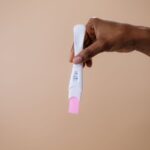
The best time to test is the first day of your missed period. Home pregnancy tests measure hCG in urine, and levels are usually high enough to detect by then. Testing earlier increases the chance of a false negative because hCG may still be too low.
Some sensitive tests claim to detect pregnancy up to five days before a missed period. If you test early and get a negative result, wait a few days and test again. A negative result before a missed period does not rule out pregnancy.
If you get a positive result, contact a healthcare provider to schedule confirmation and discuss next steps. If you get a negative result but your period does not start within a week, test again or see a doctor. Irregular cycles, stress, and other medical conditions can also delay a period.
What Else Could Cause Sudden Mood Swings?
Pregnancy is not the only explanation for sudden emotional changes. Thyroid disorders, especially hypothyroidism, can cause irritability, low mood, and fatigue. Blood sugar swings from irregular eating patterns can also produce emotional instability.
Mental health conditions such as anxiety and depression often first appear or worsen in your thirties and forties. Life stress, sleep deprivation, and relationship strain are common contributors. Perimenopause, which can begin in your mid-to-late thirties, also causes hormonal fluctuations that affect mood.
If mood swings are severe, persistent, or interfering with daily life, they deserve attention regardless of pregnancy status. A healthcare provider can evaluate for underlying causes and recommend appropriate support. Do not dismiss significant emotional distress as a normal pregnancy symptom without checking.
Are Mood Swings an Early Sign of Pregnancy or Something Else?
Mood swings are a recognized early pregnancy symptom, but they are not specific to pregnancy. The medical term for this is low predictive value. That means many pregnant women have them, but many non-pregnant women do too.
Studies consistently show that the most reliable early signs of pregnancy are a missed period and a positive home test. Emotional symptoms, including mood swings, are common but cannot confirm or rule out pregnancy. They are best understood as one piece of a larger picture.
If you are trying to conceive, tracking mood alongside other symptoms may help you notice patterns. But do not treat mood swings as proof of pregnancy or their absence as proof you are not pregnant. The test is the only definitive answer.
How to Manage Mood Swings While You Wait
Whether you are pregnant or not, emotional instability is uncomfortable. There are practical steps that help stabilize mood without needing a diagnosis.
Regular physical activity is one of the most effective mood stabilizers. Even a 20-minute walk can reduce anxiety and improve sleep. Movement also helps regulate blood sugar, which directly affects emotional stability.
Eating balanced meals with protein and fiber helps prevent blood sugar crashes that trigger irritability. Skipping meals makes mood swings worse. Prioritize consistent sleep, as sleep deprivation amplifies emotional reactivity more than most people realize.
If you are experiencing mood swings while waiting for a test result, be honest with yourself about the stress of uncertainty. Not knowing is genuinely difficult. Talking to a partner, friend, or counselor can help you carry that uncertainty without letting it consume your days.
Frequently Asked Questions
Can mood swings start before a missed period?
Yes, mood swings can begin one to two weeks after conception, which is around the time of a missed period or slightly before. However, PMS causes identical emotional changes, so this symptom alone cannot confirm pregnancy.
How long do early pregnancy mood swings last?
Mood swings can continue through the first trimester as hormone levels rise and your body adjusts. Many women find emotions stabilize in the second trimester, though some experience shifts throughout pregnancy.
Are mood swings a reliable sign of pregnancy?
No, mood swings are common in early pregnancy but also occur with PMS, stress, thyroid conditions, and perimenopause. A missed period and a positive pregnancy test are the reliable indicators.
What is the earliest sign of pregnancy?
A missed period is the earliest and most reliable sign for most women. Some notice breast tenderness, fatigue, or nausea before that, but these symptoms vary widely and are not dependable on their own.
